
|
|
|
 |
|
Cyprus: Two Sides of One Island By Shelina Poonja It took only a few steps to cross the UN buffer zone that divides Nicosia. I have been thinking about those steps ever since.
Nicosia is the capital of Cyprus. The buffer zone, often called the Green Line or no man’s land, runs through the heart of its old city. On either side, you find a different flag, a different language and a different chapter of the island’s history. Cyprus sits in the eastern Mediterranean, an island of beaches, clear water and evenings when the sun seems to dance on the sea as it sets. Its history runs just as deep. Greek settlers shaped its character more than 3,000 years ago, and more than three centuries of Ottoman rule, from 1571 to 1878, left a lasting Turkish presence. Romans, Byzantines, Venetians and the British all left their mark too. 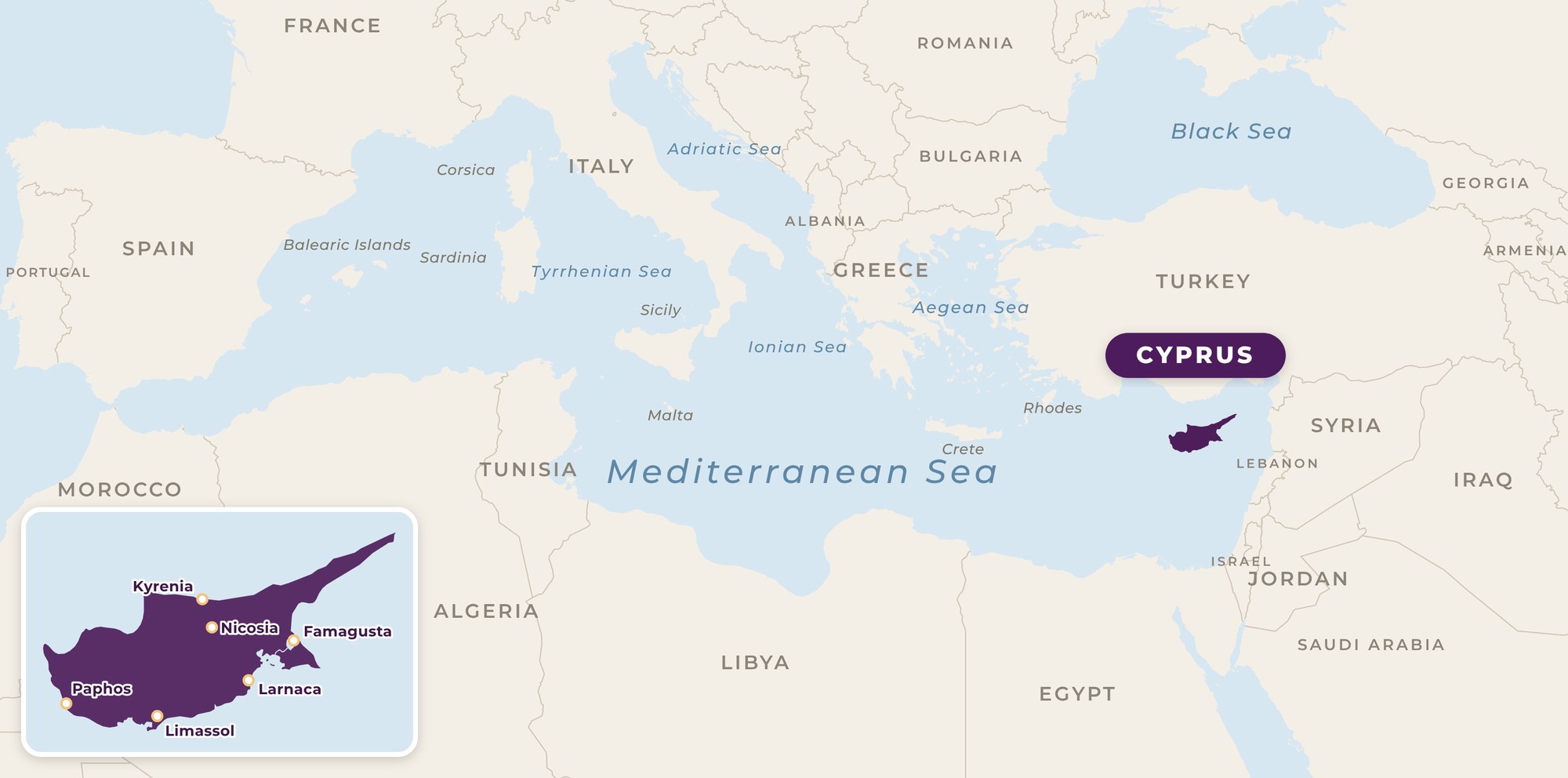 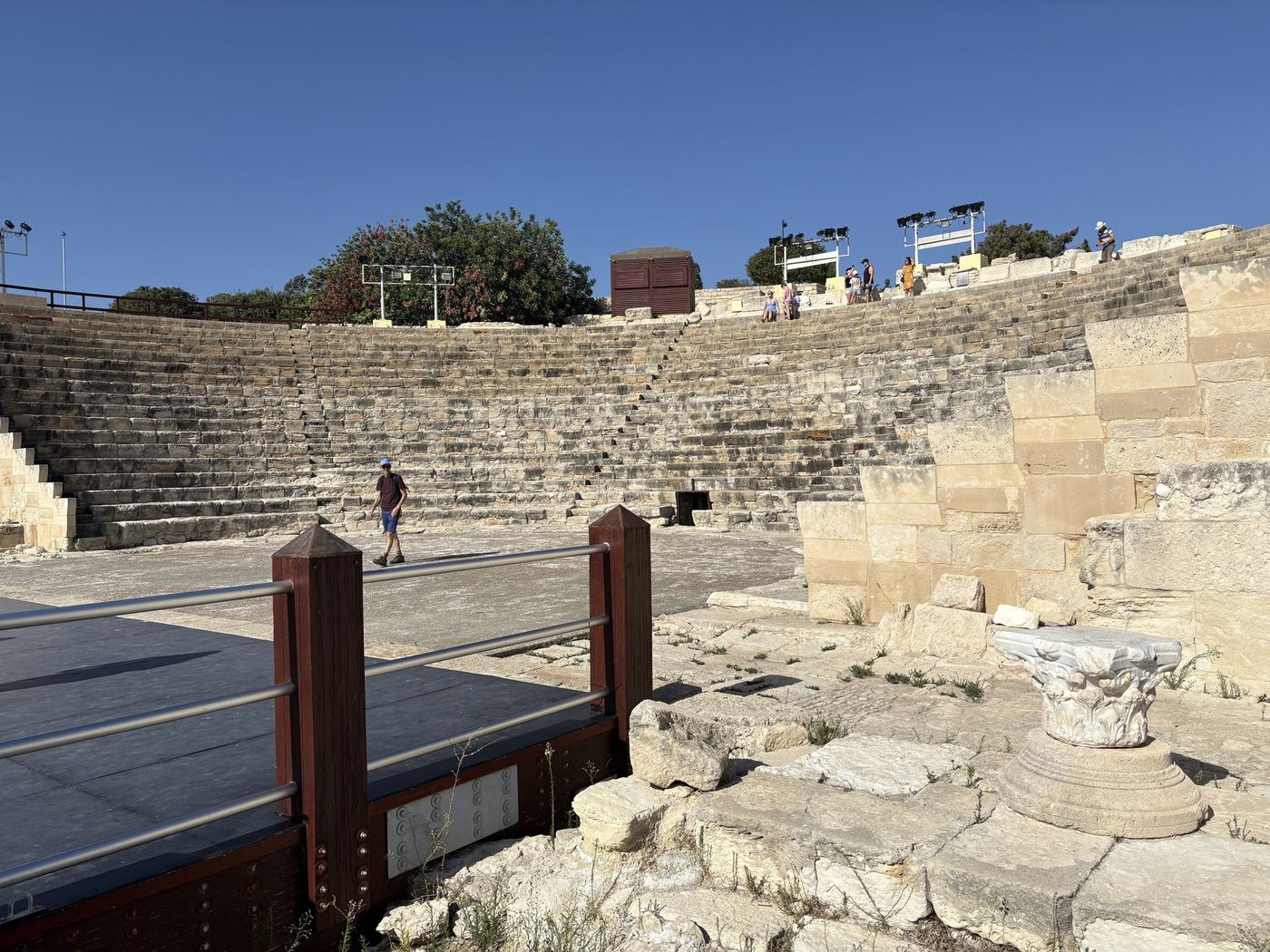 The Greco-Roman theatre at Kourion sits on a clifftop on the island’s south coast, west of Limassol. It is part of an ancient city-kingdom, and it is still used for performances today. Standing in it, I couldn’t help thinking that people have gathered on this island to share stories for centuries. 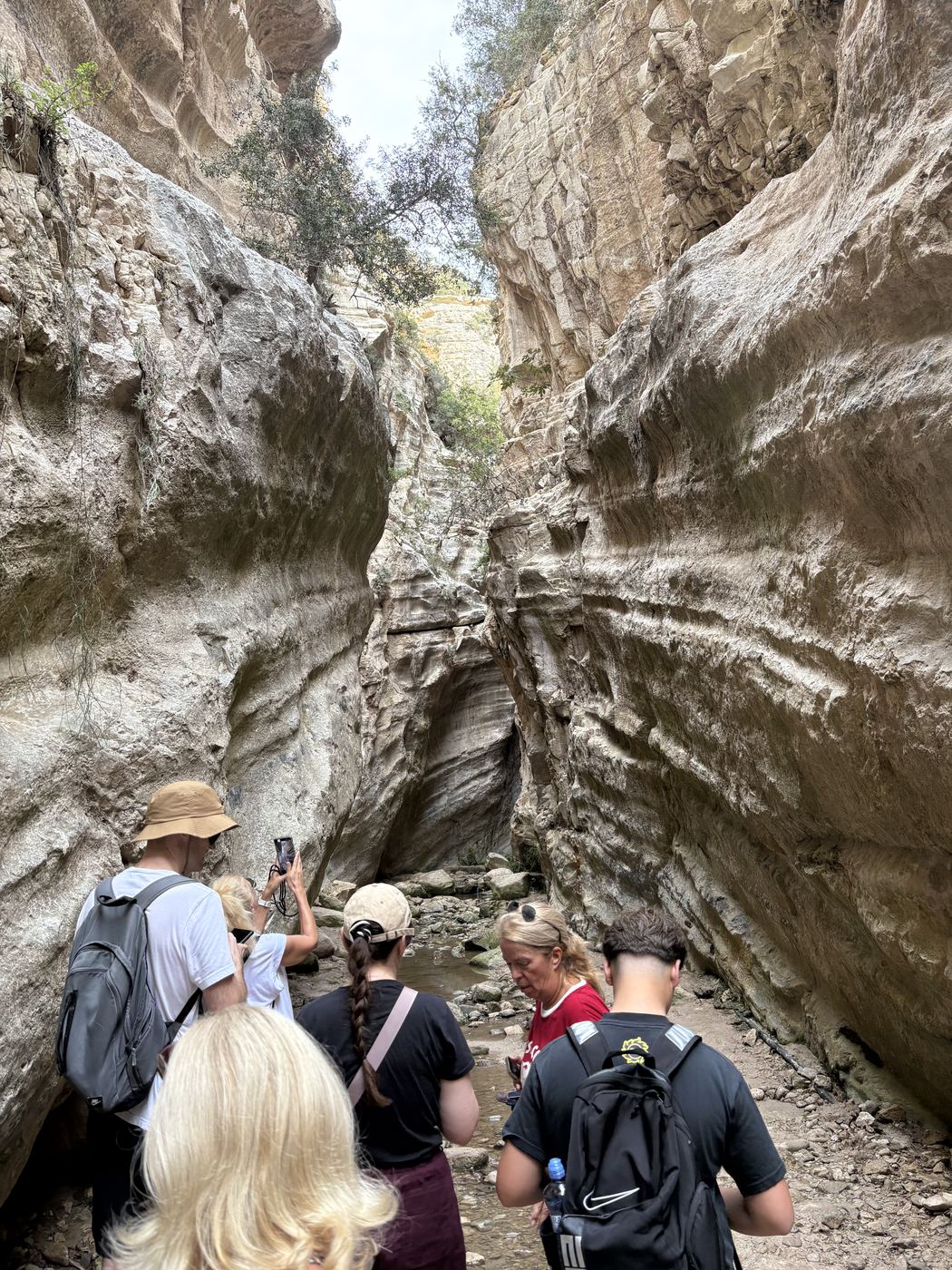 Avakas Gorge is a limestone gorge in the Akamas, the wild peninsula on Cyprus’s western tip. A short walk took us along narrow paths beneath its high cliffs. A goat wandered along the cliff edge above us, completely unbothered by the visitors below. After the towns and ruins, it showed me how wild parts of the island still are. Omodos is a traditional wine-producing village on the southern slopes of the Troodos Mountains, in the island’s interior. We tasted Cypriot bread from the village bakeries and visited the Timios Stavros Monastery. It felt like a place where daily life and faith still sit comfortably side by side. 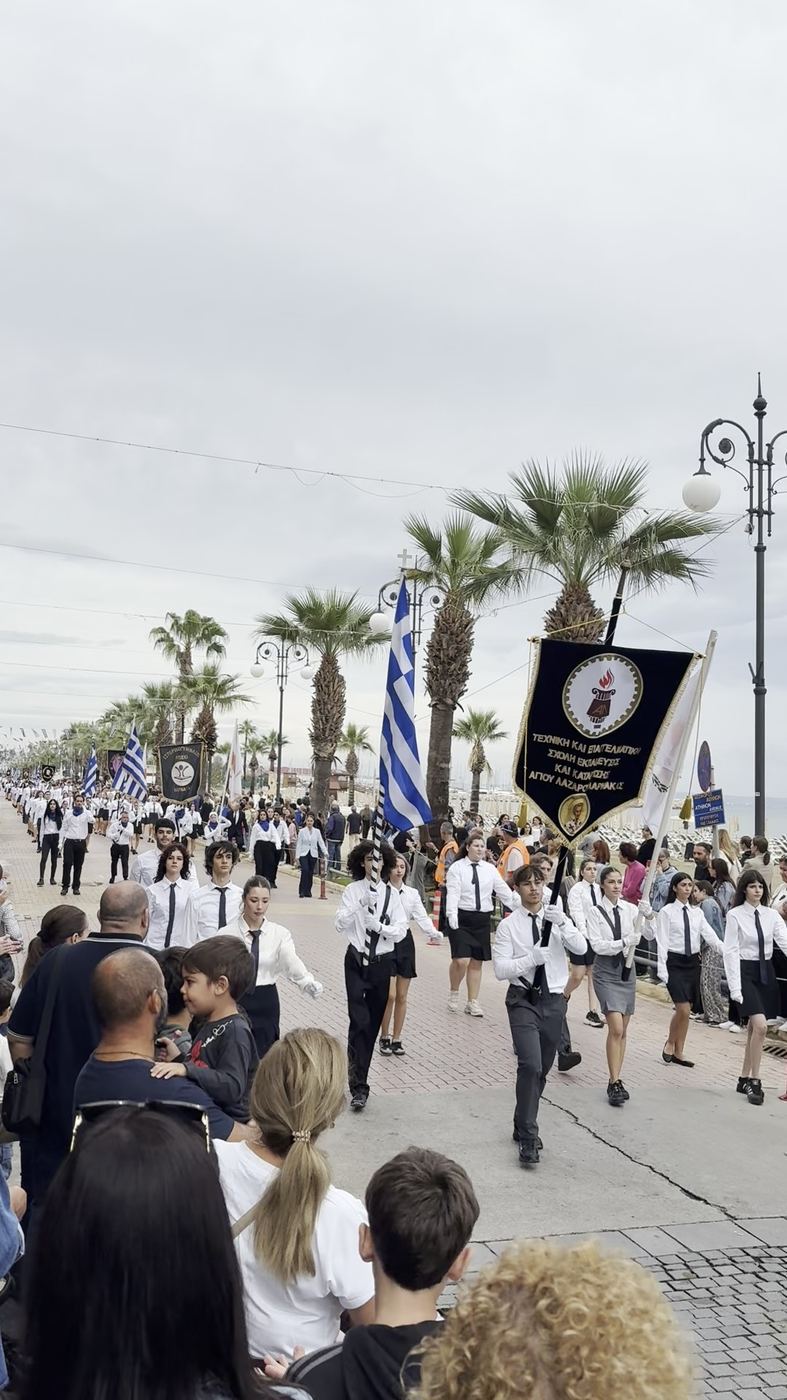 Ochi Day is a Greek national anniversary, yet in Cyprus it is a public holiday. That alone says a great deal, if you ask me. In Larnaca, along the seafront by the marina, children marched in uniform. Pipe bands played. Banners and flags lined the route. 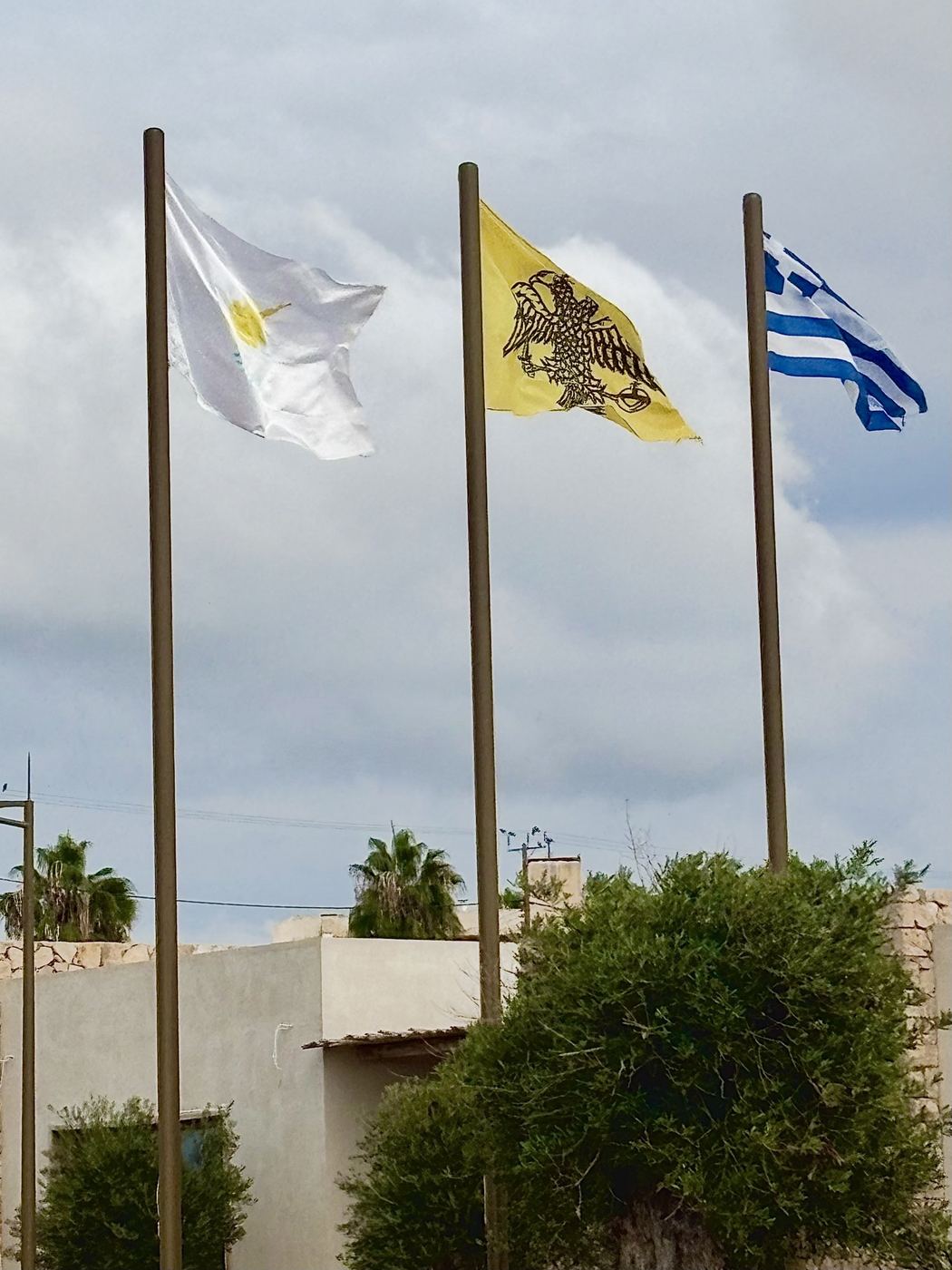 I saw the same ties across the south. Outside churches, from the coast near Pegeia to villages in the Troodos Mountains, three flags flew side by side: the flag of Cyprus, the flag of Greece and the flag of the Orthodox Church. 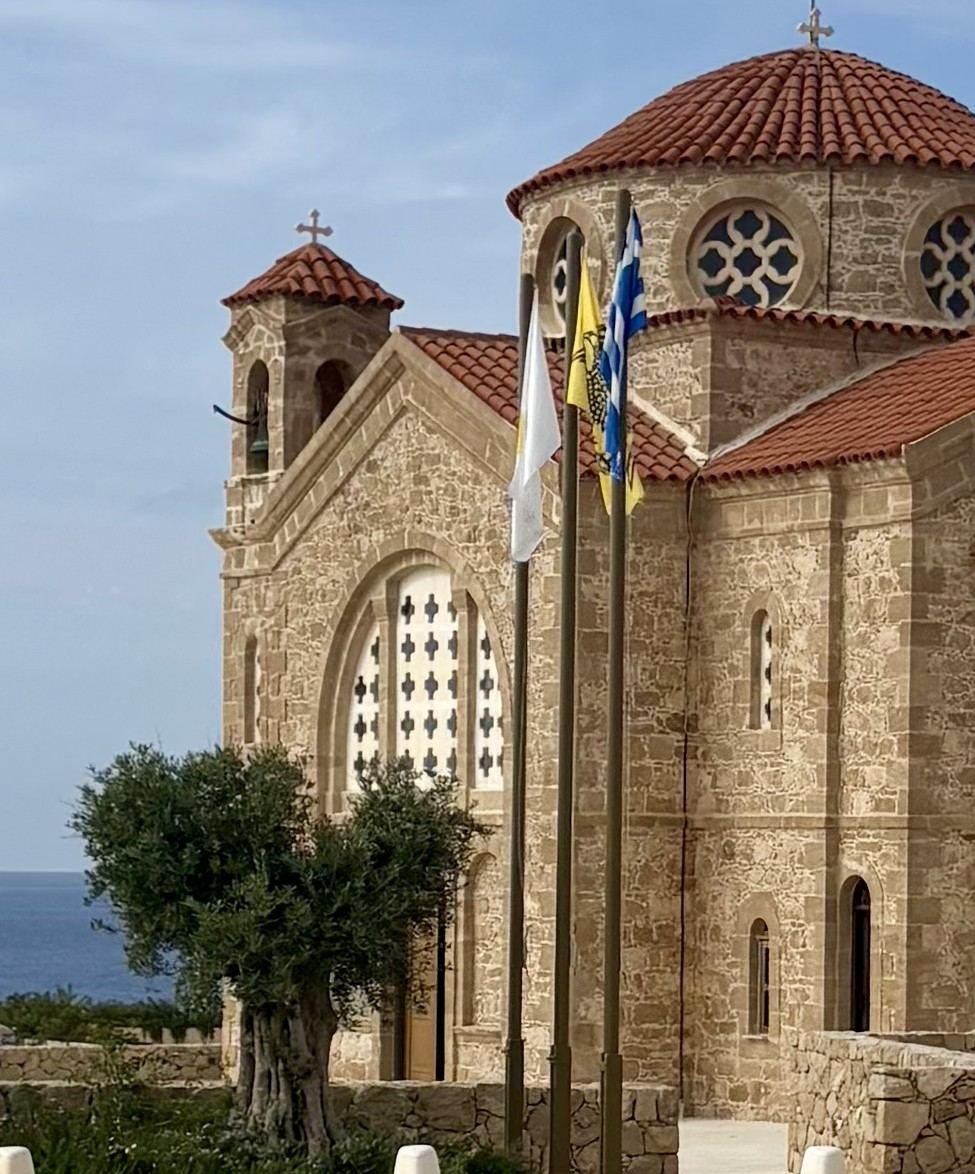 People here speak Greek, many worship in Greek Orthodox churches and remember Greek history as their own. In the south, the ties to mainland Greece are not a nod to the past. They are part of daily life. 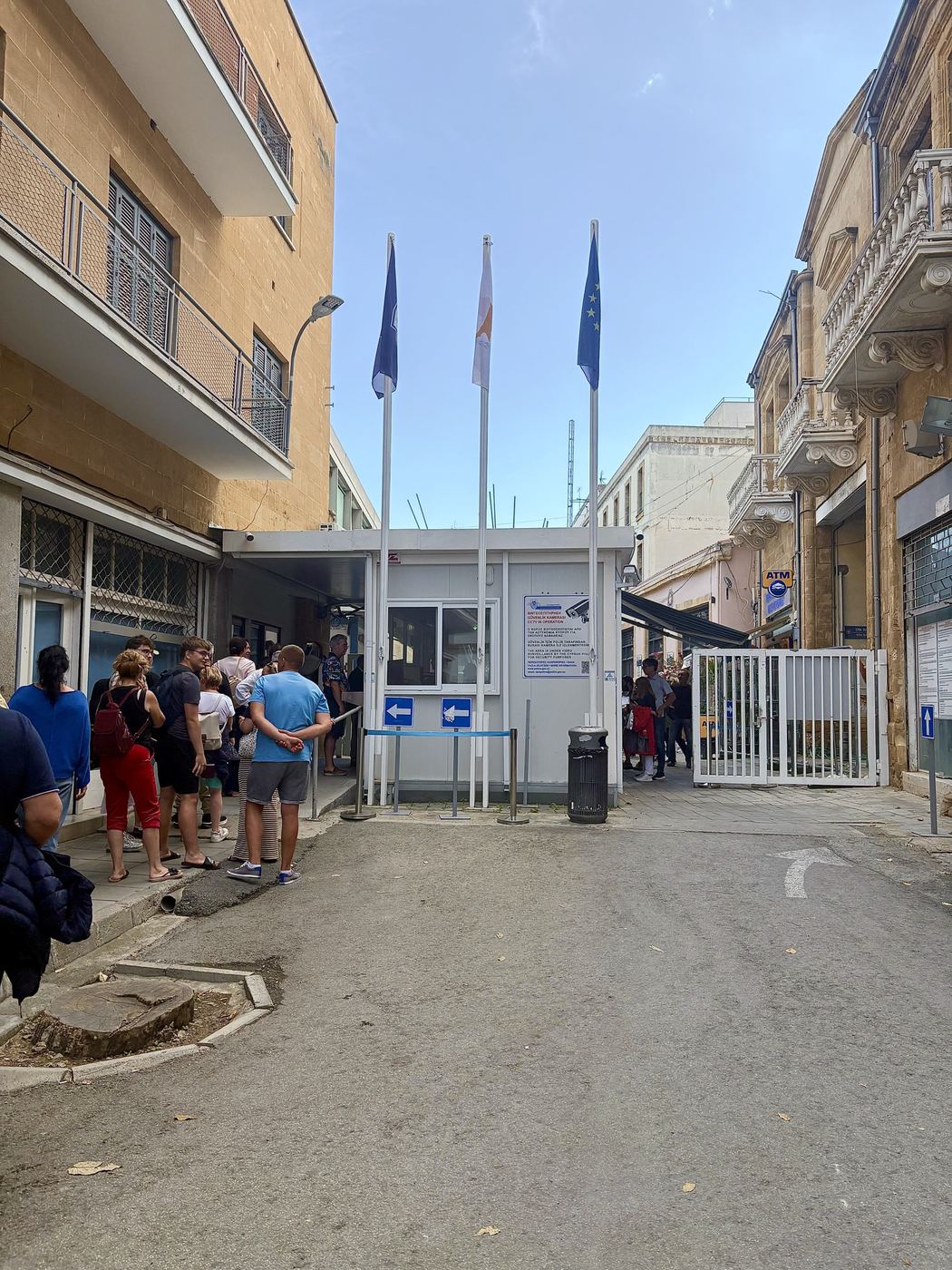 On Ochi Day, I walked across the UN buffer zone at the Ledra Street crossing, in the heart of Nicosia’s old city. Cobblestones underfoot, a short line, a passport scan. No questions. A few steps, and I was in the north. Later in the week we crossed again, this time by bus near Famagusta. Our passports were collected, taken to the checkpoint and handed back to us. A licensed guide joined us there and stayed with us until we crossed back. He was a Turkish Cypriot, and through him we heard the north’s side of the island’s story. Two sides of the same coin. On both visits, the changes were clear. The Turkish flag flew beside the Turkish Cypriot flag, which mirrors Turkey’s with the colours reversed. The language was Turkish. Prices were in Turkish lira, though euros were widely accepted. We spoke English with everyone.  I only had a short time in the north, but even in that brief time, it was clear that just as the south looks toward Greece, the north looks toward Turkey. The island has been divided for more than 50 years. The symbols had changed. I left still wondering whether the island will one day be reunited. Standing among its columns, I was surprised to learn that Salamis is not a UNESCO World Heritage Site. Cyprus has three, and all are in the south. Given the age of Salamis and what remains of it, I had assumed it would be one too. As it was explained to me, the political divide has made UNESCO involvement in the north very difficult.
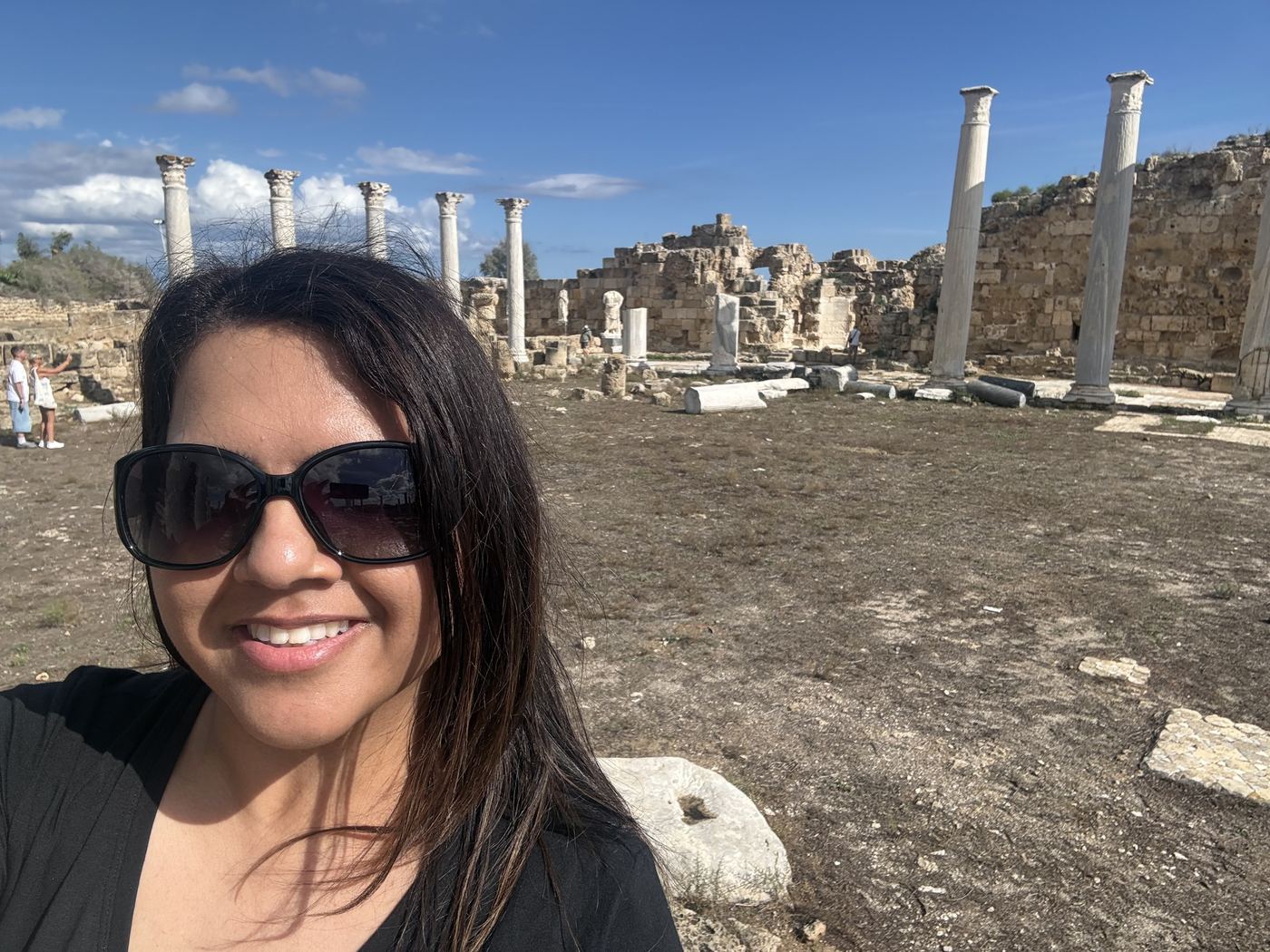
Among the columns of Salamis.
Salamis reminded me that this island’s story began long before any of the lines drawn across it today. 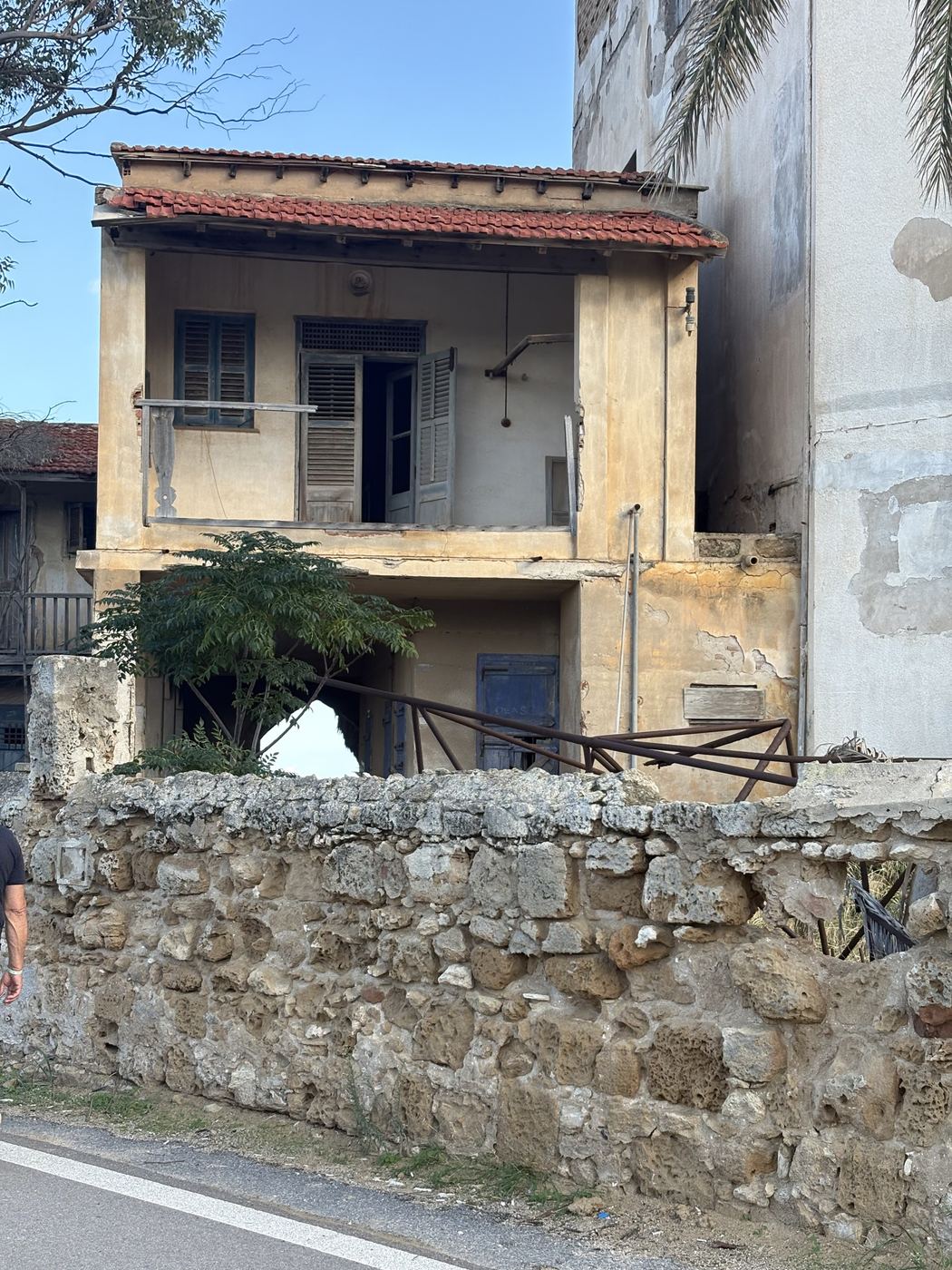 From Salamis, we continued to Varosha. In the 1960s and early 1970s, Varosha was at the centre of Cyprus’s growing tourism industry, with hotels, apartments and shops along a long sandy shore. In 1974, during the conflict that divided the island, its Greek Cypriot residents fled south. The district was then fenced off, and they were never able to return. In 2020, part of it reopened to visitors. We walked along its streets past empty buildings that were once homes, shops, hotels and businesses. Windows were broken, signs had faded, and gardens had grown wild. Visitors keep to set paths, because the buildings are no longer safe to enter. 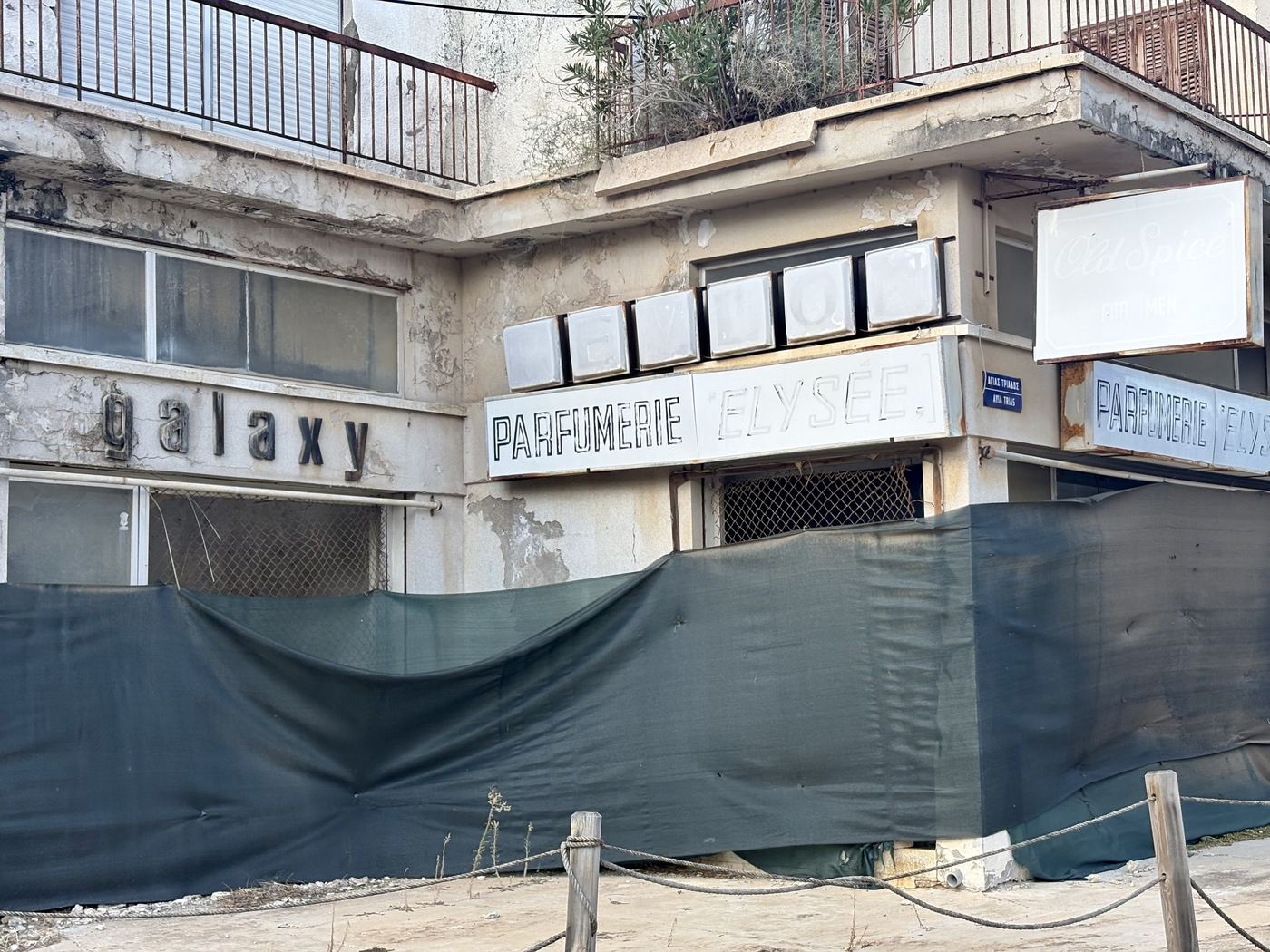 What baffled me was how much had simply been left behind. Walking those quiet streets, I found myself thinking less about the politics and more about the families who once lived there, and how much they must still carry this place with them. The flags, the languages and the history are real, and they are worth understanding. They explain a great deal about where Cyprus has been. But as Salamis showed me, the island’s story is far older than the lines drawn across it. Visiting Cyprus today is about more than its beauty and its three UNESCO World Heritage Sites. It is a chance to understand an island whose story is still being written. That is the Cyprus I would want any traveller to see: its ancient theatres, mountain villages and wild coastline, and the long story that links north and south.
8 days | North and south Cyprus Our most in-depth look at both sides of the island. We cross the UN buffer zone on foot at Ledra Street to explore north Nicosia’s Ottoman-era Büyük Khan and Selimiye Mosque, and spend a day on the northern coast at Kyrenia and Bellapais Abbey. In the south, we visit the painted Byzantine churches of the Troodos Mountains, the Roman mosaics of Paphos and the Neolithic settlement of Khirokitia. See the tour
8 days | Based in Paphos, with a day in the north A gentler pace, with Paphos as our base for the week. We explore the island’s food and craft traditions, from a pasteli workshop to olive oil and wine tastings, and travel into the Troodos Mountains to Kykkos Monastery. One day crosses north to the ancient city of Salamis, Famagusta and a guided walk in Varosha. Two days are left free to enjoy Paphos at your own pace. See the tour
|
|
|
Sign up for our Bestway Club newsletter and be the first to know about special discounts, new tours and travel updates!


 Posted by Shelina Poonja