 India reveals itself most vividly through its kitchens, where history, geography, and tradition come together in flavour. From spice-laden markets and royal courts to home kitchens, food in India is both nourishment and narrative. This journey traces regional traditions shaped by centuries of exchange, devotion, and artistry.
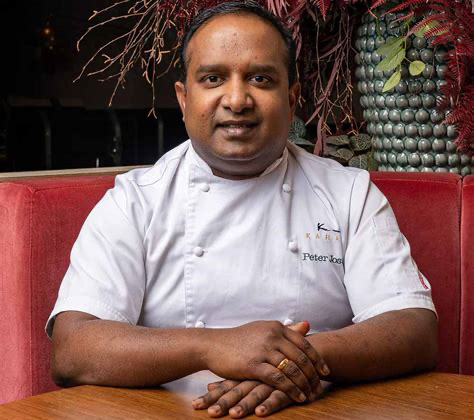
Hosting you throughout is Chef Peter Joseph, Chef Patron of Kahani in Chelsea, London. Originally from Chennai, he spent more than a decade at Michelin-starred Tamarind, becoming Head Chef, before opening Kahani in 2018, where his contemporary approach to Indian cuisine draws on regional traditions, distinctive spices, and modern technique. On this journey, he brings that experience home, offering insight into ingredients and technique, while your accompanying local guide shares the history, culture, and architecture that give Indian food its meaning.
| UNESCO World Heritage Sites Covered in This Tour | |||
|---|---|---|---|
| 1. | Group of Monuments at Mahabalipuram | 2. | Taj Mahal |
| 3. | Agra Fort | 4. | Hill Forts of Rajasthan (Amber Fort) |
| 5. | The Jantar Mantar, Jaipur | 6. | Red Fort Complex |
| 7. | Humayun’s Tomb, Delhi | 8. | Qutb Minar and its Monuments, Delhi |
| (*) Denotes UNESCO World Heritage Sites included in the itinerary. | |||
| Tour Information | ||
|---|---|---|
| Duration | : | 14 days |
| Minimum | : | 15 persons |
| Maximum | : | 22 persons |
| Price (From) | : | |
| International air not included | ||

Namaskar, and welcome to India. We are met at Chennai International Airport and individually transferred to our hotel, where the journey begins. Hotel check-in starts at 3:00 PM.
Chennai, the capital of Tamil Nadu and once known as Madras, is one of South India’s most vibrant cities. It lies on the Coromandel Coast beside the Bay of Bengal, the same coastline where the Pallava dynasty carved the rock-cut temples of Mahabalipuram in the 7th and 8th centuries. The Cooum and Adyar rivers run through the city. The remainder of the day is free to rest and settle in.
Overnight: Taj Connemara, Chennai (2 nights)
We begin with a morning visit to Kapaleeshwarar Temple, one of Chennai’s oldest and most revered shrines. The temple standing today was rebuilt in the 16th century. Its Dravidian gopuram, temple tank, and sacred rituals offer insight into Tamil Hinduism.
We continue to the Bronze Gallery at the Government Museum, where Chola bronzes, some more than a thousand years old, show India’s mastery of metallurgy and sculpture. The museum was founded in 1851 and is the second-oldest in India.
Later, we drive along the coast to Mahabalipuram*, a UNESCO World Heritage Site of rock-cut temples, monolithic shrines, and carved reliefs. We explore the Shore Temple, the Five Rathas, monolithic temples carved to resemble the processional chariots of a temple, and Arjuna’s Penance, a gigantic open-air relief.
We return to Chennai for dinner at Southern Spice, known for its South Indian menu. Chef Peter collaborates with Southern Spice’s chefs to create a special tasting menu celebrating the culinary traditions of South India. (B, D)
We transfer to Chennai airport for our flight to Trichy. On arrival, we visit Sri Ranganathaswamy Temple at Srirangam. The complex covers 156 acres within seven concentric walls and is entered through 21 gateway towers, or gopurams. The tallest, the Rajagopuram, rises 72 metres. The outer two enclosures hold streets and homes, so the temple works as a living town. Its present form reflects centuries of building by the Chola, Pandya, Hoysala, and Vijayanagara dynasties.
We continue by road to the Chettinad region, home to the Nattukottai Chettiars, a community of merchants and bankers who built palatial mansions here in the 19th and early 20th centuries with fortunes earned across Southeast Asia. We settle into Visalam, a restored 1930s mansion that once belonged to a prosperous Chettiar family and is now a boutique hotel operated by CGH Earth.
Overnight: Visalam, Chettinad (2 nights) (B, D)
Today, we discover the culinary and architectural traditions of Chettinad. The region’s cuisine is known for freshly ground masalas made with spices such as peppercorns, fennel, star anise, and cinnamon. The Chettiars also adapted recipes from the countries where they traded, creating a cuisine of their own.
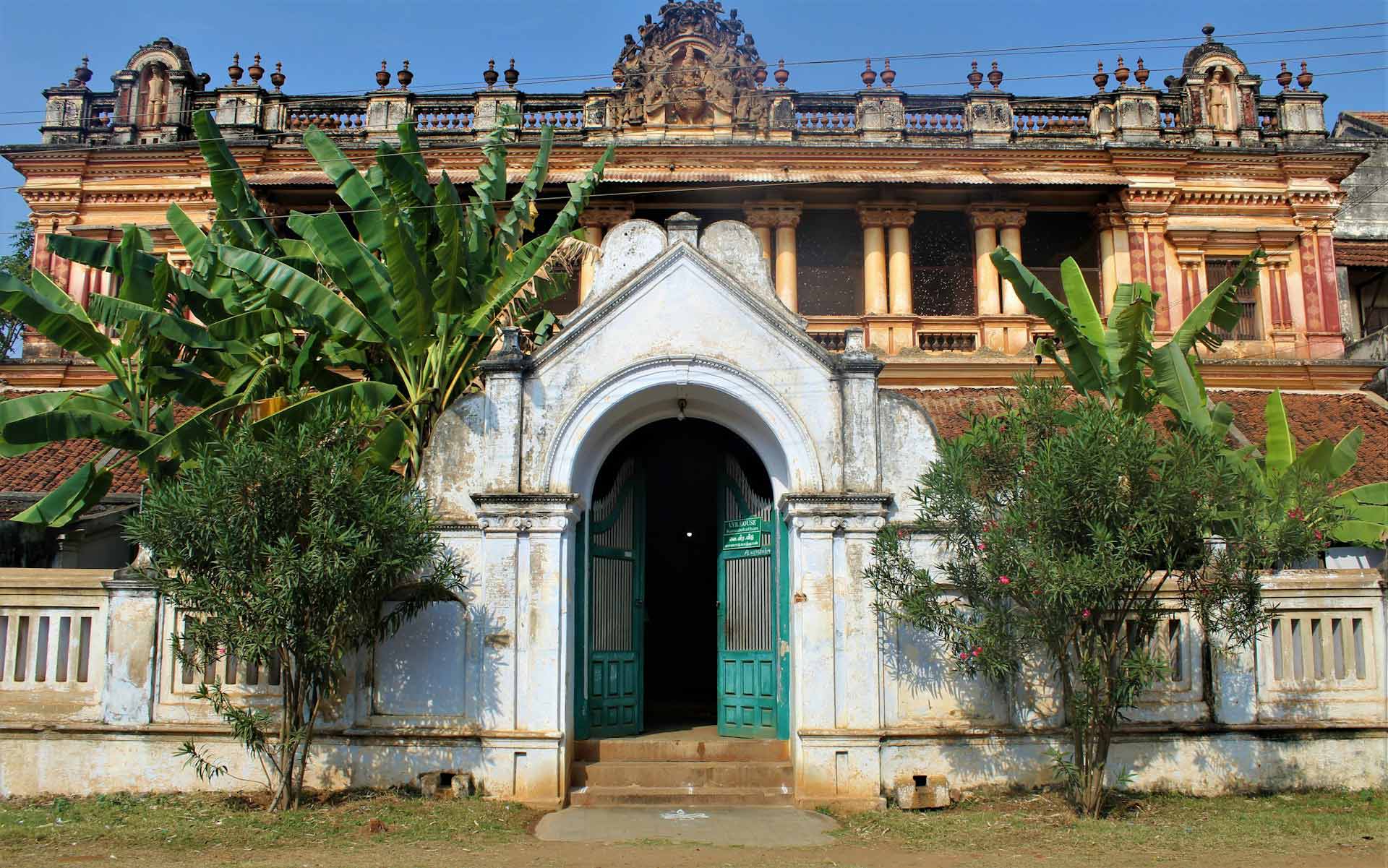
We take a guided heritage walk through Kanadukathan, a quiet village lined with palatial homes built by Chettiar families. Their design blends Tamil and Western traditions. The families furnished their homes with teak from Burma, marble from Italy and Belgium, and chandeliers from Europe. Many fine Art Deco examples date from the 1930s and 1940s.
Later, we join Chef Peter and a local Chettinad cook for a live culinary session. Together, we prepare signature dishes such as Chicken Chettinad, Mutton Chukka, Prawn Masala, and Fish Fry, each rooted in regional tradition. As the spices sizzle, we hear how these techniques have passed down through generations. Dinner follows, made with our own hands. (B, D)

After breakfast, we drive towards Madurai and pause at the village of Athangudi, known for its handmade tiles. Athangudi tiles are a feature of many Chettinad homes. At a local workshop, we watch artisans use century-old techniques to craft geometric and floral designs by hand.
We continue to Madurai, one of South India’s most ancient and vibrant temple cities, continuously inhabited for more than 2,500 years. It is the cultural capital of Tamil Nadu, where ancient temples rise above bustling bazaars.
Some of the city’s most loved flavours include crispy parottas, smoky kari dosai, murukku, sundal, and piping hot filter coffee.
In the evening, we visit the Meenakshi Amman Temple, dedicated to Goddess Meenakshi and Lord Sundareswarar. Its 14 gopurams rise 45 to 50 metres, and its corridors glow under the soft light of temple lamps. Sacred tanks and intricately sculpted halls make it a marvel of Dravidian architecture.
Overnight: Heritage Madurai (1 night) (B)
We transfer to Madurai airport for our connecting flight to Lucknow.
On arrival in Lucknow, we transfer to our hotel. Lucknow is known as the city of the nawabs, a reputation reflected in its culinary and cultural traditions.
In the evening, we visit Chowk Bazaar, where centuries of cooking secrets simmer in copper pots and spice-stained stalls. We follow the local culinary trail through smoky alleyways and fragrant tandoors, sampling Galouti Kebabs, silky Sheermal, and Tokri Chaat, an edible mosaic of chutneys, yoghurt, and crunch.
Overnight: Taj Mahal Lucknow (2 nights) (B, Evening Culinary Walk)

We begin our exploration of Lucknow with Bara Imambara, built by Nawab Asaf-ud-Daula in 1784 as both a religious complex and a famine-relief project. The central hall, nearly 50 metres long, has a roof held together by interlocking bricks with no beam or girder, a marvel of engineering. The adjacent Bhool Bhulaiya labyrinth, with more than 1,000 passages, invites curious exploration.
We continue to Chota Imambara, richly decorated with Belgian chandeliers, silver tombs, and Arabic calligraphy, a delicate blend of Indo-Persian design. At La Martinière College, we see an Indo-European baroque palace turned school, with stories of European adventurers and Indian loyalty.
Tonight, we are honoured guests at a private Nawabi residence. We talk with our hosts about etiquette, court life, and culinary ritual, and learn to prepare royal recipes passed down through generations. We then sit down to a candlelit dinner. (B, D)
A leisurely drive through the Gangetic plains takes us to Agra, once the capital of the Mughal Empire. We arrive and check in to our hotel. The balance of the day is free to relax and unwind.
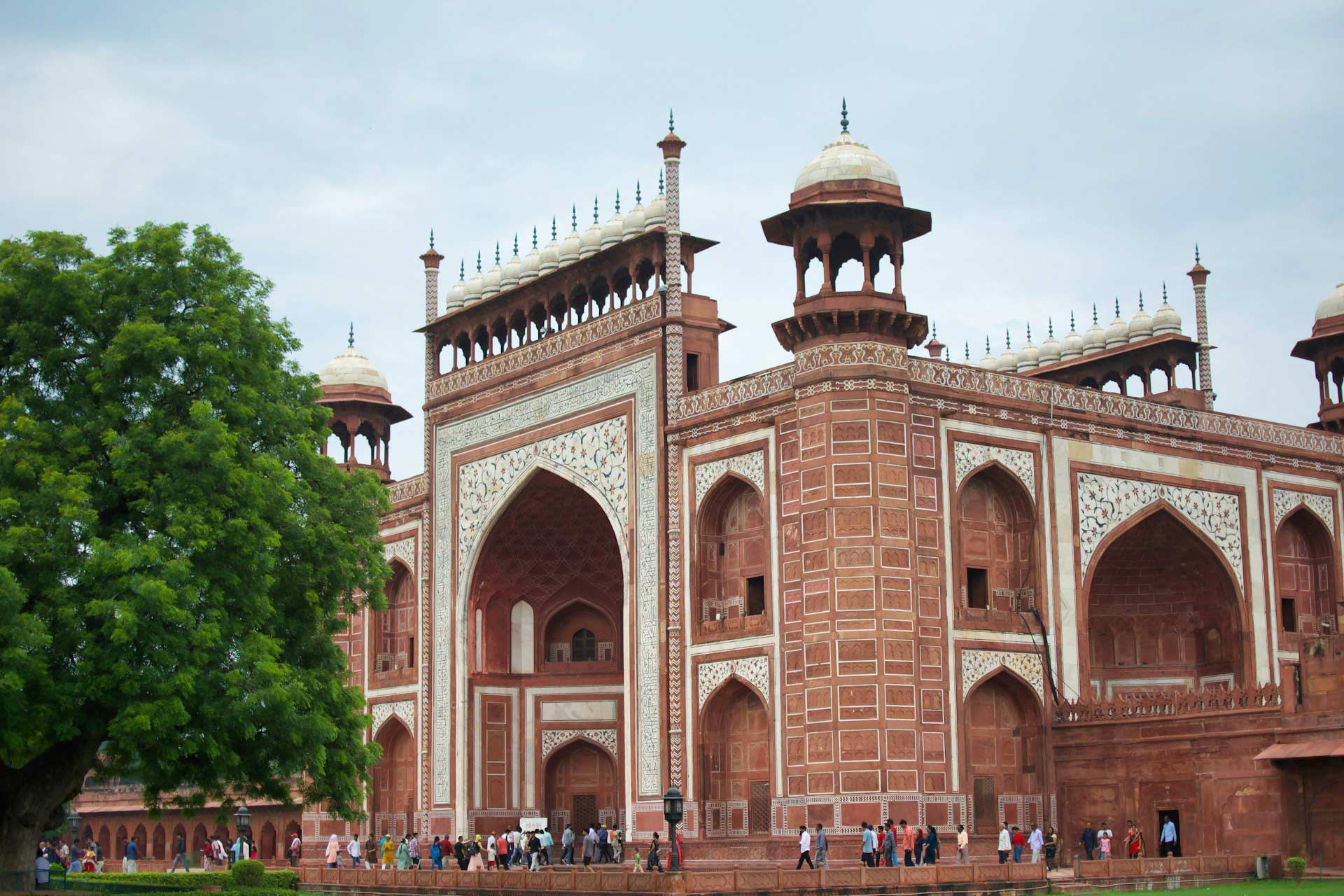
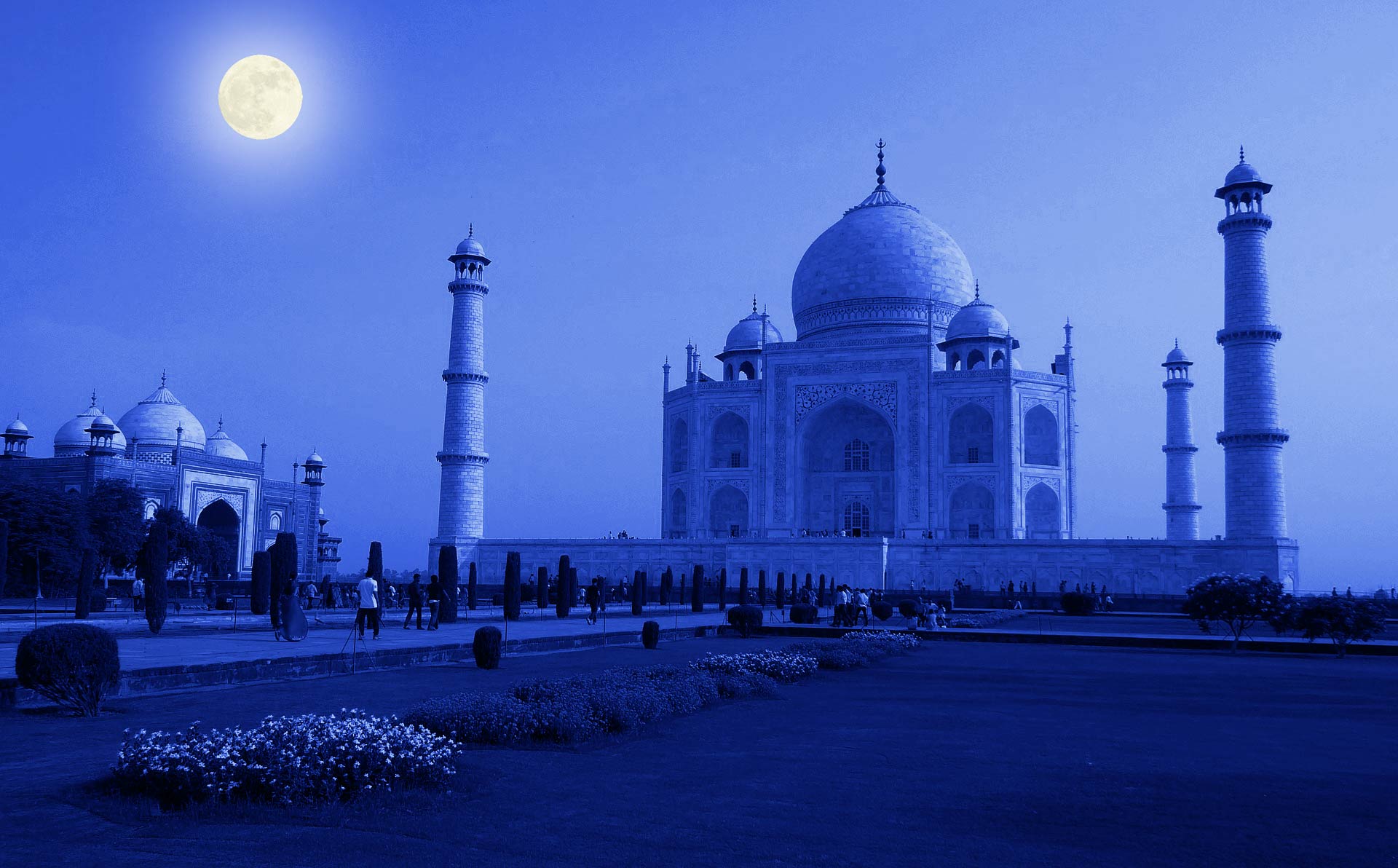
As dusk turns to night, we make a special full-moon visit to the Taj Mahal*, a UNESCO World Heritage Site built between 1631 and 1648 by Emperor Shah Jahan in memory of his queen, Mumtaz Mahal. As night falls, the white marble monument transforms into a luminous vision, shimmering against the darkened sky. The moonlight bathes the domes and minarets in an ethereal light, casting mirrored reflections in the still waters of its pools.
This limited-access experience offers a rare opportunity to see the monument’s tranquil beauty in a hushed, almost spiritual setting. Built as an eternal tribute to love, the Taj speaks more profoundly when wrapped in moonlight, its architecture glowing and its aura magnified.
Overnight: ITC Mughal, Agra (1 night) (B)
We rise early for a sunrise visit to the Taj Mahal. As the first rays of the sun rise over the Yamuna River, the white marble glows in soft hues of pink and gold, casting reflections across its tranquil pools. The monument stands within a Mughal garden of nearly 17 hectares, and its marble is inlaid with semi-precious stones. The monument is a symbol of eternal love and a pinnacle of Mughal artistry and architecture. We return to the hotel for breakfast and a brief rest.
We continue to Agra Fort*, a UNESCO World Heritage Site and the seat of power of the Mughal Empire. Built in the 16th century by Emperor Akbar and refined by his successors, the fort is enclosed by red sandstone walls 2.5 km long. Inside, the sprawling complex of courtyards, palaces, and mosques includes the Diwan-i-Am, Diwan-i-Khas, Khas Mahal, and Musamman Burj, where Shah Jahan spent his final years gazing at the distant Taj Mahal.
Later, we drive to Jaipur, the Pink City, crossing from Uttar Pradesh into Rajasthan.
Overnight: ITC Rajputana, Jaipur (2 nights) (B)
We begin with a photo stop at Hawa Mahal, the Palace of Winds, built in 1799 so that royal women could observe the world below. Its honeycomb façade is Jaipur’s emblem. Jaipur was founded in 1727 by Sawai Jai Singh II and laid out on a grid plan on the plain, unlike many Rajasthan cities built on hillsides.
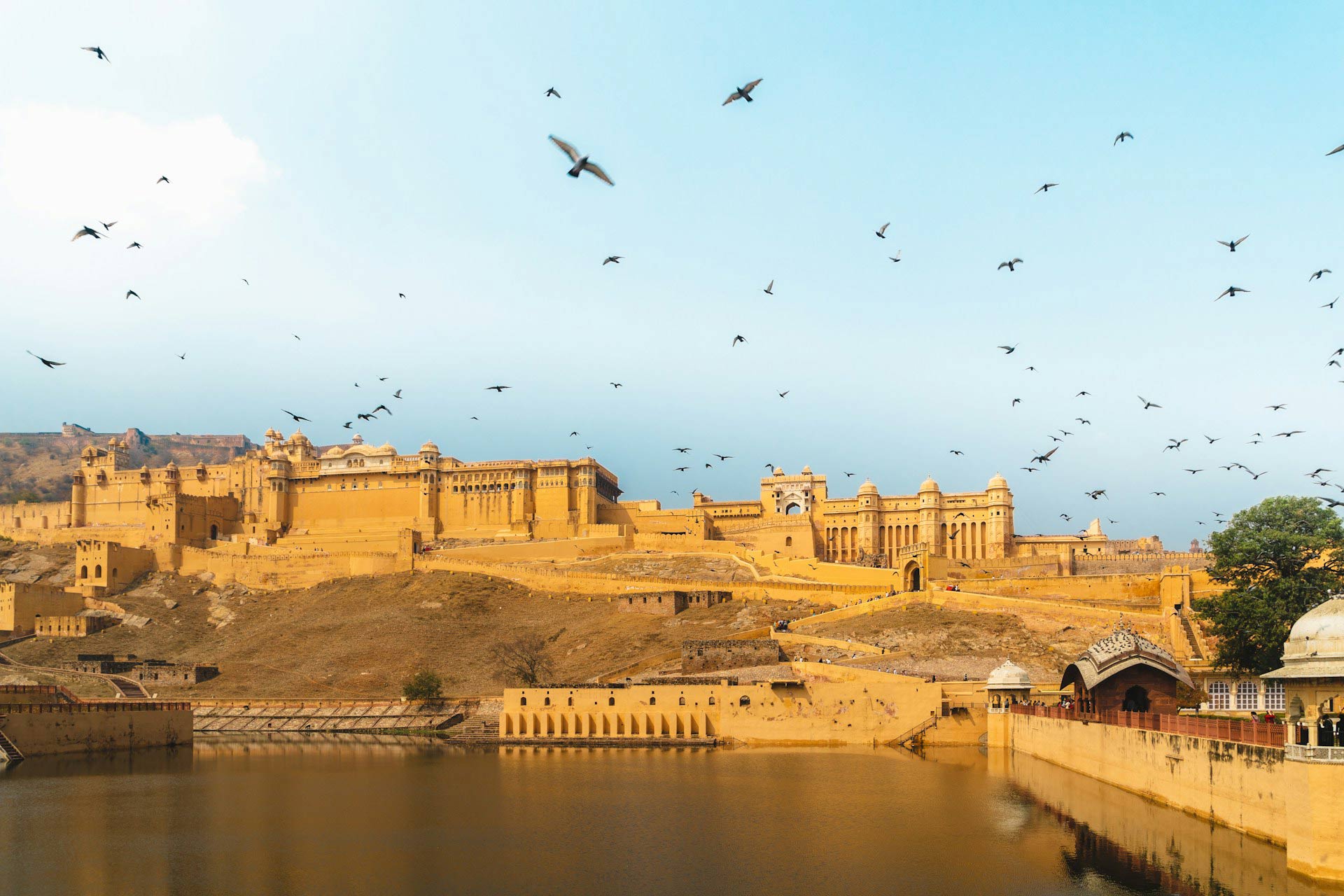
We continue to Amber Fort*, one of the six Hill Forts of Rajasthan recognized as a UNESCO World Heritage Site, where we discover mirrored halls, painted ceilings, and courtyards where kings once held court. We visit Panna Meena ka Kund, a geometrically designed stepwell used to collect rainwater. We then explore City Palace, a sprawling complex of royal chambers and museums, followed by Jantar Mantar*, a UNESCO World Heritage Site and astronomical observatory from the early 18th century, with about 20 massive masonry instruments for observing the sky with the naked eye.
In the afternoon, we visit Lassi Wala at Ajmeri Gate, a legendary Jaipur institution serving its iconic sweet lassi in terracotta kulhads. While enjoying our lassi, we sample two of Jaipur’s favourite street snacks, onion lentil kachori and mirchi wada.
Later, we enter a traditional haveli for a private cooking session with a Rajasthani family. We learn to prepare Dal Baati Churma, Ker Sangri, and spiced buttermilk, followed by dinner. (B, D)
After breakfast, we drive from Jaipur to Delhi and transfer to our hotel. Over the next two days, we explore Delhi’s two historic capitals: Shahjahanabad, the walled Mughal city built by Shah Jahan, and New Delhi, planned by Sir Edwin Lutyens.
In the evening, we enjoy a home-cooking experience at the private residence of Chef Jyoti Aggarwal, a connoisseur of North Indian home cooking. We take part in a hands-on session, learning the art of spice balancing, tempering, and traditional bread-making. This is more than a cooking class. It is an initiation into the soul of Indian kitchens. A lovingly prepared meal follows, tasted and enjoyed in elegant company.
Overnight: Sheraton, New Delhi (3 nights) (B, D)
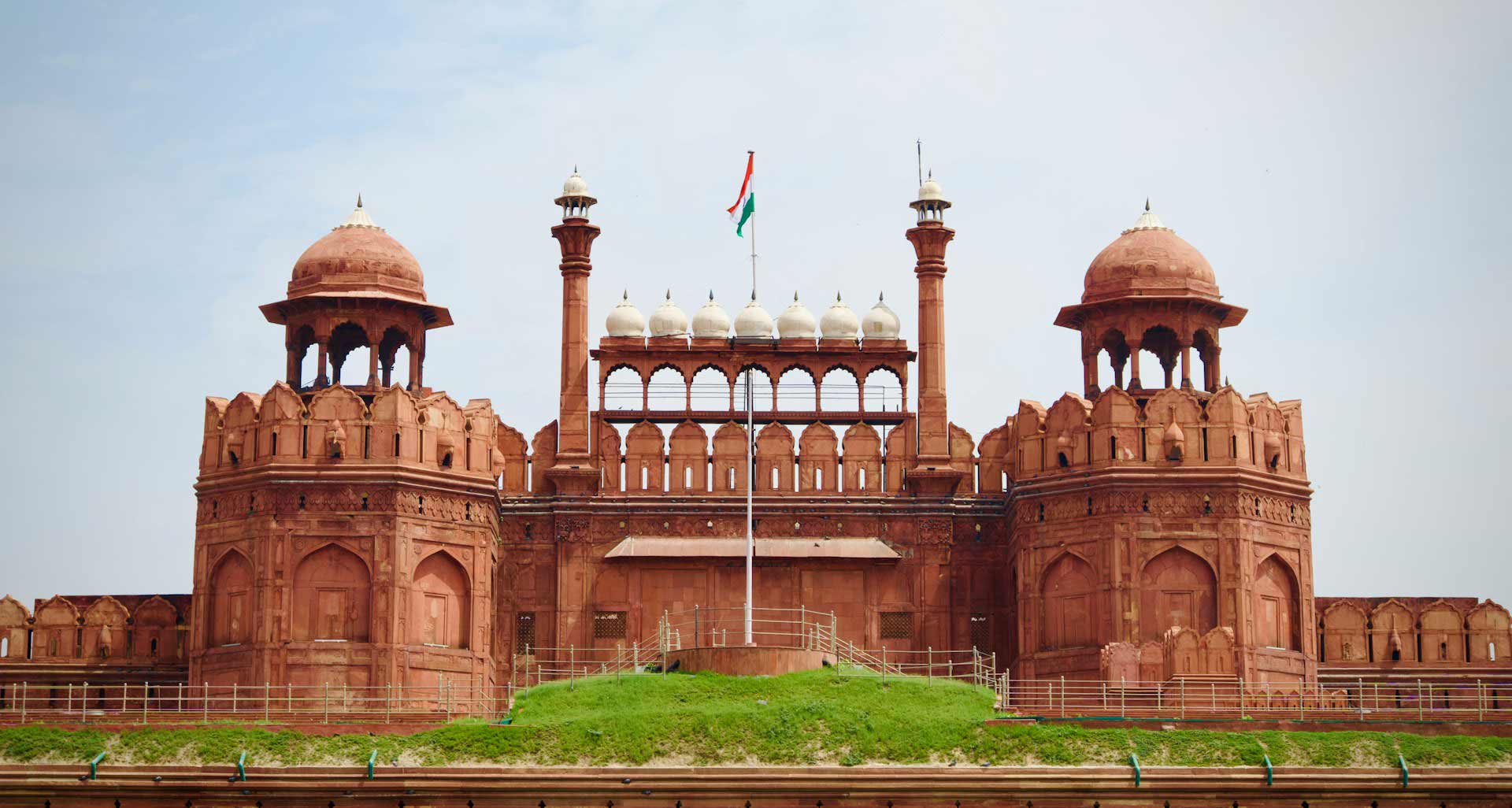
We start with a guided tour of Old Delhi and a walk through the Red Fort Complex*, a UNESCO World Heritage Site that served as the fortified palace of the Mughal emperors. Shah Jahan built it as the palace-fortress of his new capital, Shahjahanabad, and its walls of red sandstone give the fort its name. Its pavilions and marble halls speak of grandeur, poetry, and betrayal.
We board a traditional rickshaw for a ride through Chandni Chowk, once the moonlit boulevard of Mughal princesses and today a busy artery of the old city. We pause at Khari Baoli, one of Asia’s largest spice markets, where bags of turmeric, star anise, and peppercorns tower around us and spice merchants pass their trade secrets down through generations. We continue to Jama Masjid, one of India’s largest mosques. Built by Shah Jahan in 1656, its vast courtyard has seen centuries of prayers and poetry.
From spirituality to sustenance, we follow a culinary trail through the city’s most storied eateries: crispy jalebis from Old Jalebi Wala, paranthas cooked on iron griddles in Paranthe Wali Gali, and the legendary Karim’s, whose recipes once graced royal kitchens. We end our walk at Moti Mahal, long associated with the creation of butter chicken. The remainder of the day is free. (B, Culinary Walk)

We start with a guided tour of New Delhi, driving past India Gate, a war memorial standing at the head of Kartavya Path (formerly Rajpath), and Rashtrapati Bhavan, the Presidential residence. Together, they form the heart of imperial New Delhi, the grand vision of Sir Edwin Lutyens and a legacy of British urban planning in India.
We step into the Mughal gardens of Humayun’s Tomb*, a UNESCO World Heritage Site and the first garden-tomb on the Indian subcontinent. Built in 1570, it is laid out as a charbagh, or four-part garden, and became the inspiration for the Taj Mahal, representing a graceful synthesis of Persian and Indian aesthetics. We visit Gandhi Smriti, the residence where Mahatma Gandhi spent his final days. Its peaceful gardens and preserved personal quarters reflect his simplicity and deeply human ideals.
Later, we head to Qutub Minar*, a UNESCO World Heritage Site and a 72.5-metre victory tower built in the early 13th century that symbolizes the rise of Islamic dynasties in India. Its ornate Arabic calligraphy and the surrounding ruins of ancient temples trace the evolution of India’s layered architectural story. The complex also includes the Quwwatu’l-Islam mosque, the oldest in northern India, and the Alai Darwaza gateway, built in 1311. We then return to our hotel.
In the evening, we enjoy a farewell dinner at Bukhara in the ITC Maurya, known for its unpretentious clay oven dishes, including the signature dal and tandoori meats, a celebration of robust North-West Frontier cuisine. (B, D)
After a relaxed breakfast, we check out of the hotel (check-out is at 11:00 AM) and, depending on our flight timings, are individually transferred to Delhi International Airport for our flight home. As we depart, we carry with us the taste of handmade delights, the sound of temple bells, and memories of kitchens and conversations across India. (B)
Departure Dates & Prices
| 2027 | Per Person on Twin Sharing |
Single Room Supplement |
|---|---|---|
| Departure(s) | ||
| Nov 7 - 20, 2027 | GBP £ 4495 | GBP £ 1195 |
| 2027 | Per Person on Twin Sharing |
Single Room Supplement |
|---|---|---|
| Departure(s) | ||
| Nov 7 - 20, 2027 | US$ 6995 | US$ 1595 |
| 2027 | Per Person on Twin Sharing |
Single Room Supplement |
|---|---|---|
| Departure(s) | ||
| Nov 7 - 20, 2027 | CA$ 10066 | CA$ 2296 |
Notes
Inclusions
Participants
This tour operates on a minimum of 15 and a maximum of 22 participants
Customised Itinerary
If you would like to have a tour on dates other than the above ones or with a customised itinerary, please contact Bestway Tours & Safaris and we will be happy to work out an exclusive program for you.
Recommended Trips


Sign up for our Bestway Club newsletter and be the first to know about special discounts, new tours and travel updates!