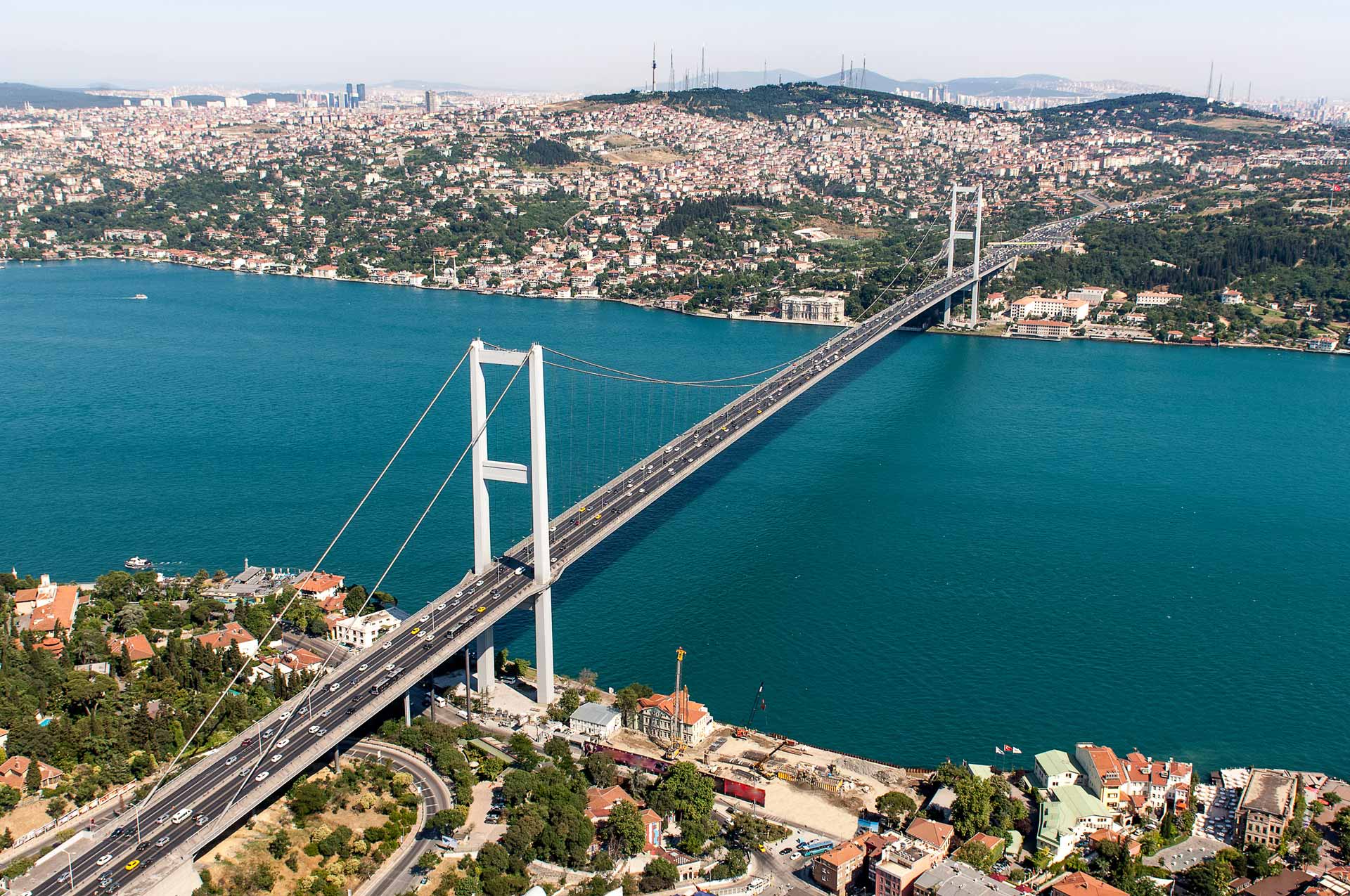
Savour the highlights of two of Europe’s most historic regions. Türkiye and Greece both offer centuries of history paired with scenic Mediterranean coastline and stunning natural features. Discover the cultural crossroads of Istanbul, heart of empires for hundreds of years, the ancient Roman structures of Troy and Ephesus, and the beautiful beaches and unique history of the Greek islands Rhodes, Santorini and Mykonos. In this 2-week tour, we will visit 5 UNESCO World Heritage Sites.
| UNESCO World Heritage Sites covered in this tour | |||
|---|---|---|---|
| 1. | Historic Area of Istanbul | 2. | Archaeological Site of Troy |
| 3. | Pergamon and its Multi-Layered Cultural Landscape | 4. | Ephesus |
| 5. | Hierapolis-Pamukkale | ||
Upon arrival at Istanbul Airport (IST)**, we will be met and transferred to our hotel. Spend the rest of the day at leisure. Hotel check-in begins at 3 PM. Founded in 657 BC, Istanbul is one of the most significant cities in history. In 330 AD, it was declared the new Roman capital, becoming a centre of trade and commerce along the Silk Road. It remained a capital city for 16 more centuries, through the rise and fall of the Roman, Byzantine and Ottoman empires.
** For those arriving at Sabiha Gökçen International Airport (SAW), a surcharge of US$90 per person per transfer will apply, based on a minimum of two people.
Overnight: Hilton Double Tree Piyalepasa, Istanbul (2 nights)
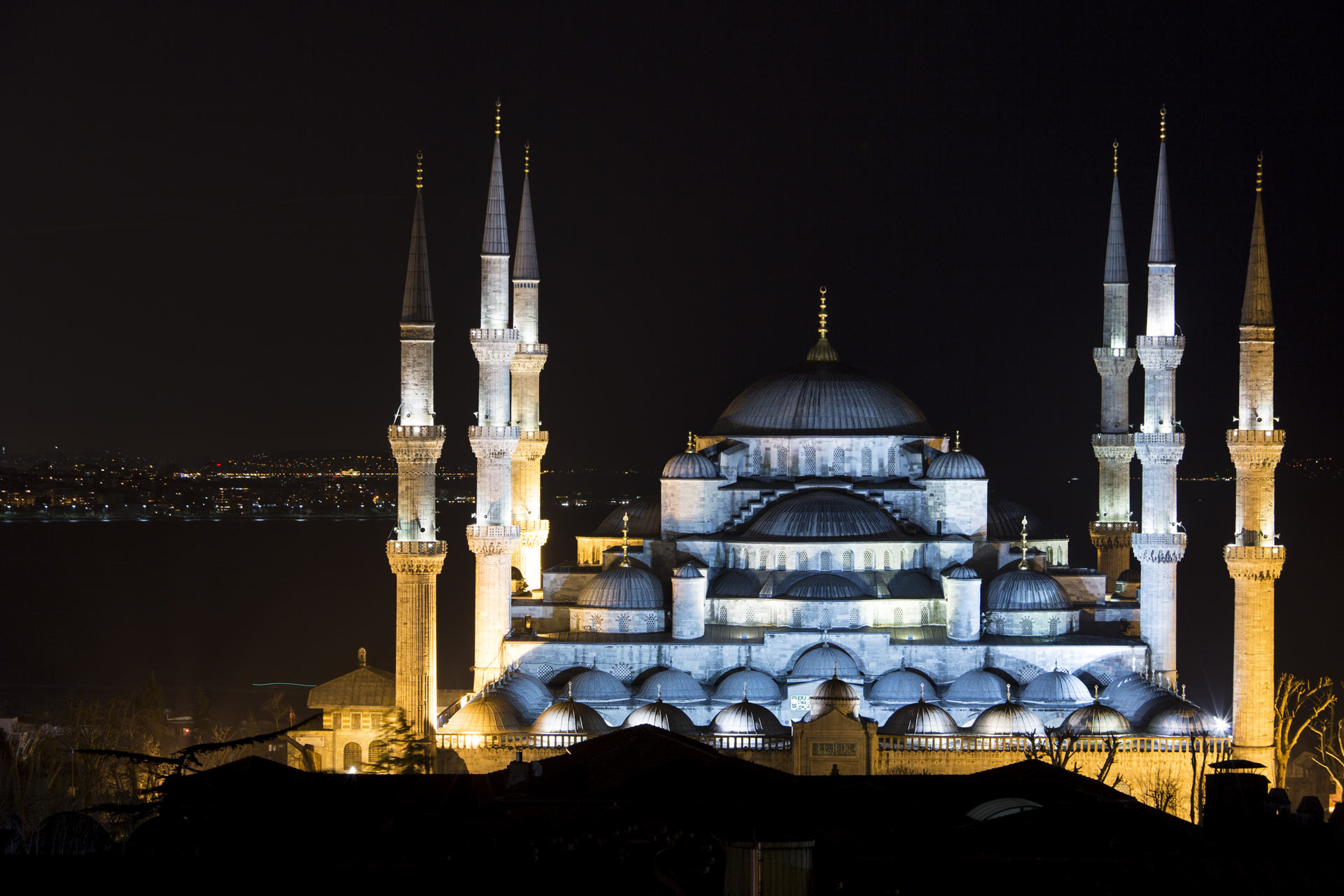
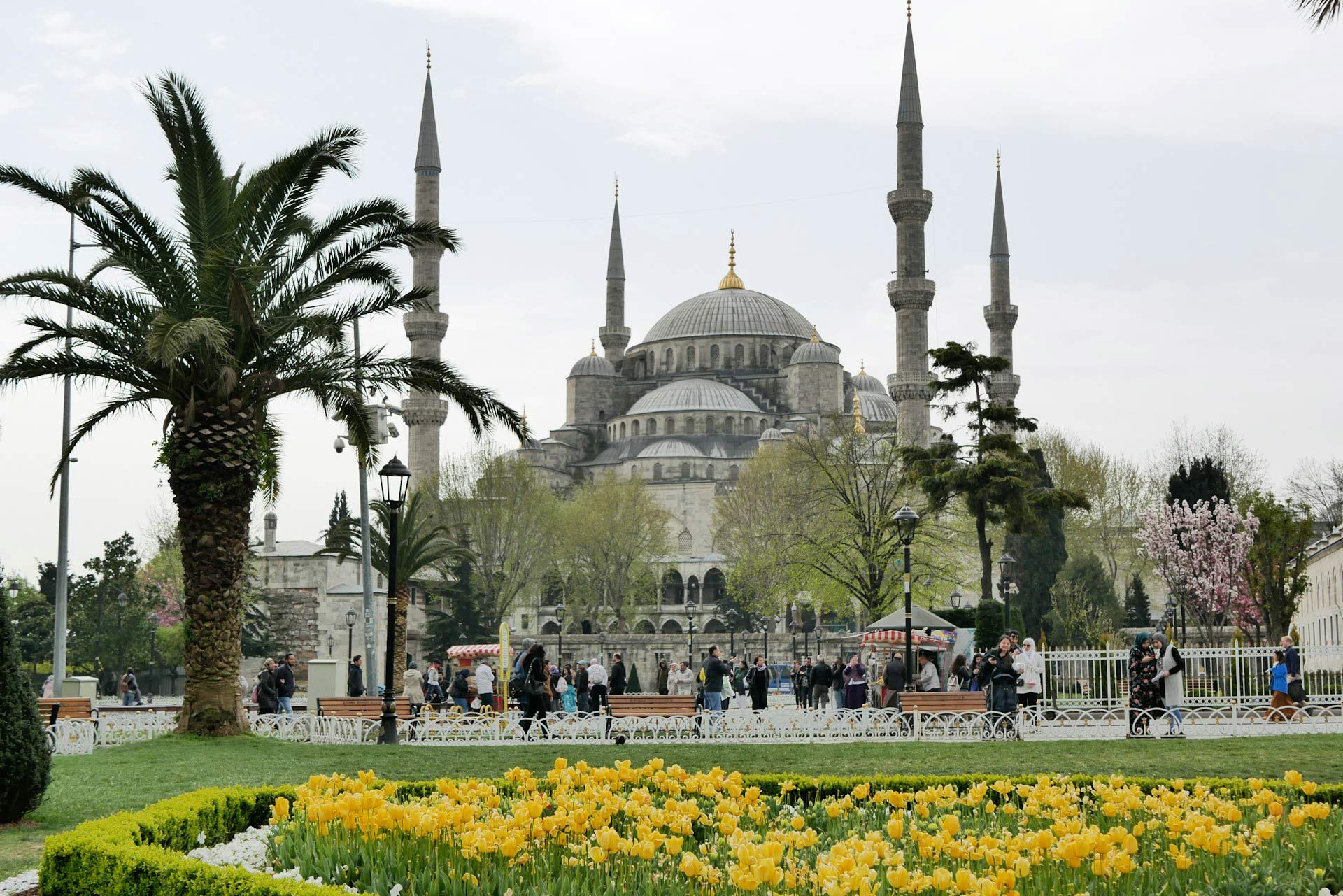
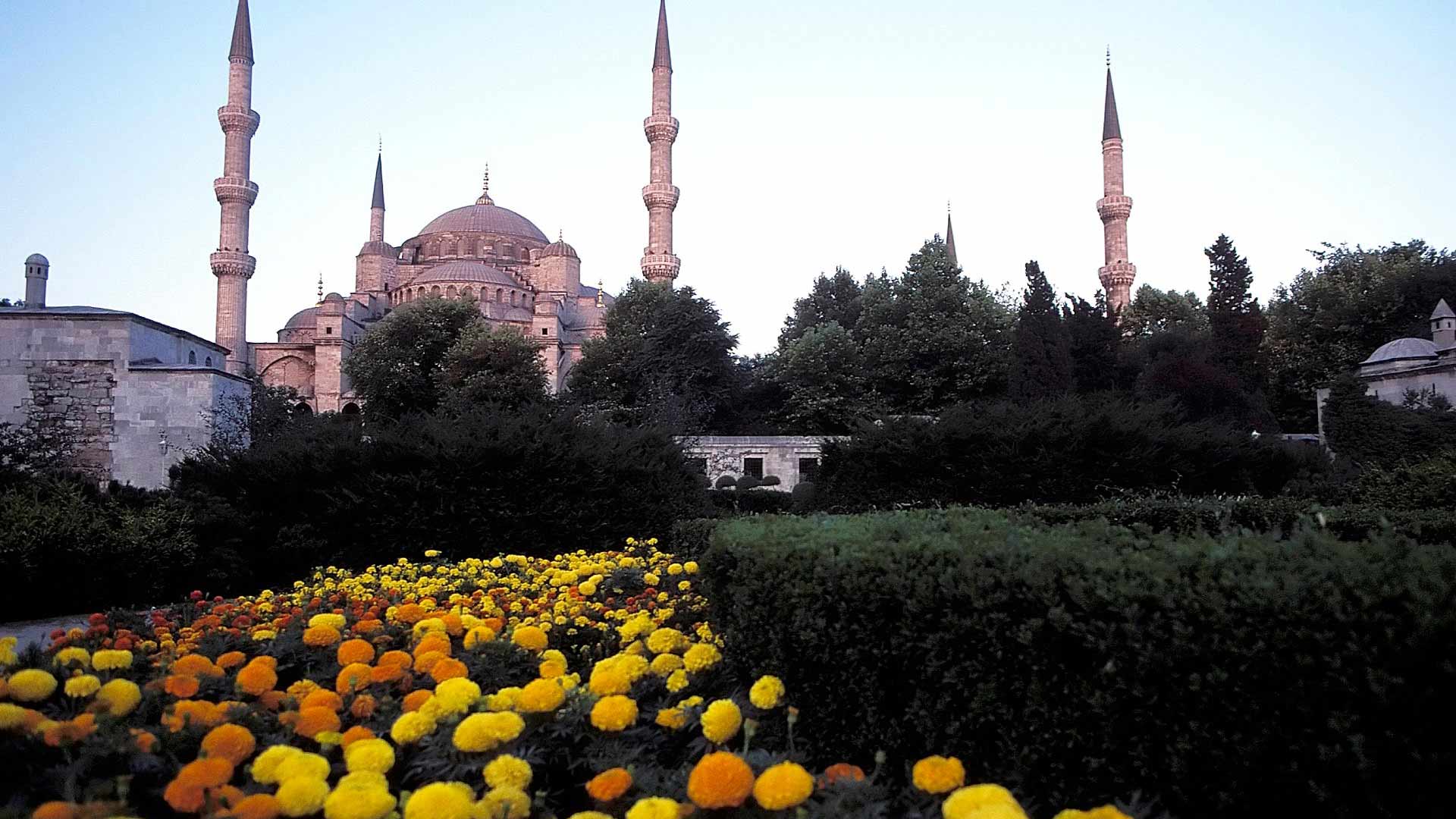
After breakfast at our hotel, we explore Istanbul on a guided tour, taking in the palaces, cisterns, mosques, fountains and historic monuments that reflect the city’s long imperial past. The Historic Areas of Istanbul*, a UNESCO World Heritage Site, preserve layers of Byzantine and Ottoman history across the old city. Our first stop is Topkapı Palace, the main residence of the Ottoman sultans during the 15th and 16th centuries, followed by Hagia Sophia and the Blue Mosque, standing across from one another in one of Istanbul’s most memorable settings. A visit to Istanbul also includes the Spice Bazaar, one of the city’s major covered markets, where spices, nuts, honeycomb, Turkish delight, dried figs and other goods recall Istanbul’s long role as a meeting point for trade. Tonight, an optional dinner with a Turkish show is available. (B)
After breakfast, we drive to Gallipoli to visit ANZAC Cove, The Nek, Chunuk Bair, Lone Pine and the 57th Regiment Memorial. The Gallipoli campaign was launched during the First World War in an attempt to break the deadlock and open a route through the Dardanelles. The peninsula is closely associated with the ANZAC landings of 25 April 1915 and with Mustafa Kemal Atatürk, whose leadership here became part of the story of modern Türkiye. In Türkiye, Gallipoli is remembered as a defining defence of the homeland during the final years of the Ottoman Empire, while in Australia and New Zealand it became central to national memory and identity. Dinner and overnight in Çanakkale.
Overnight: Kolin Hotel, Çanakkale (1 night) (B, D)
After breakfast, we drive to Troy*, a UNESCO World Heritage Site associated with Homer’s Iliad and the story of the Trojan War. The site connects myth, literature and archaeology, showing how ancient stories can also lead us into the realities of early settlement in northwestern Anatolia. We then drive by Mount Ida before continuing to Pergamon*, a UNESCO World Heritage Site whose Acropolis reflects the city’s importance as a cultural centre of the ancient Greek world. Its steep hillside setting, temples and dramatic theatre help show why Pergamon became one of the major centres of Hellenistic life. We then continue to the resort town of Kuşadası, where we enjoy a two-night stay at the Elite World Kuşadası.
Overnight: Elite World Kuşadası, Kuşadası (2 nights) (B, D)
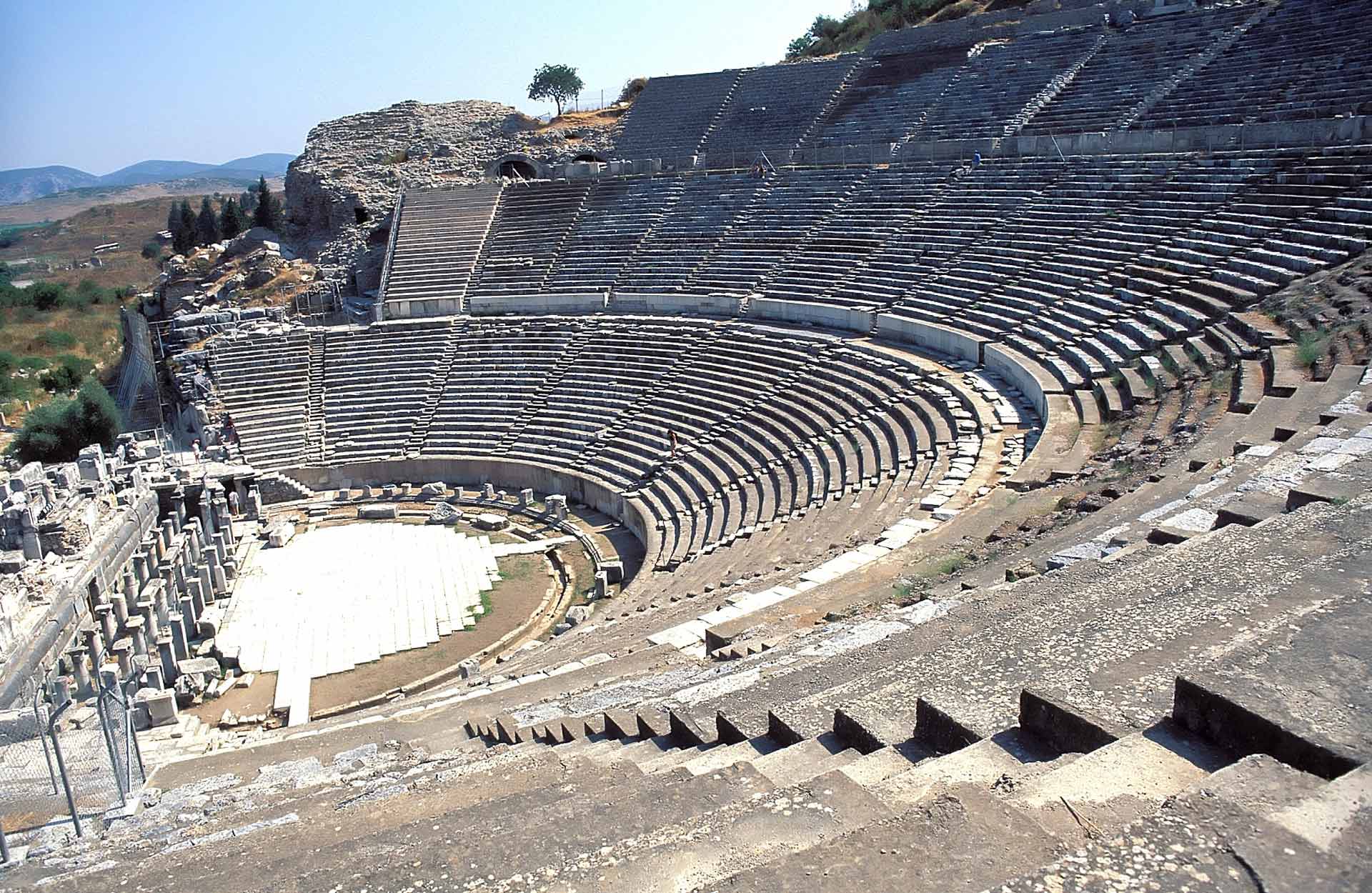
A comfortable drive brings us to Ephesus*, once a trade centre of the ancient world and, later, an important centre of early Christianity. The visible ruins give a sense of the city’s original scale and its former importance as a major Mediterranean port. We see the theatre and the ancient Library of Celsus, reconstructed from original pieces and built in 125 AD by Julius Aquila. The scale of Ephesus’ streets, public buildings and civic spaces helps explain why the city held such importance in Roman Asia. After our visit, we learn more about local handicrafts, including handmade carpets and leather. (B, D)
Driving alongside scenic cotton farms, we head for Pamukkale, home to Hierapolis-Pamukkale*, a UNESCO World Heritage Site. Hierapolis was associated with sacred hot springs whose vapours were linked in antiquity to Pluto, god of the underworld, and was also mentioned by Paul in his Letter to the Colossians. The site brings together the practical and spiritual importance of thermal water in the ancient world, from healing traditions to public spaces and funerary monuments. Where conditions and timing permit, there may be time to swim in the thermal pools, surrounded by ancient remains and the white travertine terraces of Pamukkale. These terraces formed as mineral-rich hot spring water flowed down the slopes, leaving layers of limestone that gave Pamukkale its name, meaning “cotton castle.” We continue to Marmaris for our overnight stay.
Overnight: Ramada by Wyndham Marmaris Resort, Marmaris (1 night) (B, D)
After breakfast, we transfer to Marmaris for the ferry to Rhodes, the largest of the Dodecanese islands. Rhodes introduces the Greek portion of the journey through its long maritime history, medieval old town and position between Anatolia and the Aegean. The rest of the day is at leisure. Travellers may wish to visit Rhodes City and see the walls of its well-preserved medieval castle. Built by the Knights of Saint John, the castle is one of the finest examples of medieval architecture in Greece.
Overnight: Semiramis Hotel, Rhodes (1 night) (B)
Transfer to the airport for a flight via Athens to Santorini. Spend the next two days at leisure on this volcanic island in the Cyclades. Santorini’s caldera landscape gives the island much of its character, with villages set high above the Aegean and beaches shaped by volcanic geology. The island is known for its sunsets, whitewashed villages and blue-domed churches. Fira and Oia are Santorini’s best-known villages, both set along the caldera edge with views over the Aegean and the volcano.
Overnight: Daedalus Hotel, Santorini (2 nights) (B)
Day at leisure. Santorini’s beaches differ from many others in Greece because of the island’s volcanic geology. Red Beach, Perissa, Kamari and Perivolos each show a different side of the island’s coastal landscape, making this a useful day to experience Santorini at an easier pace. (B)
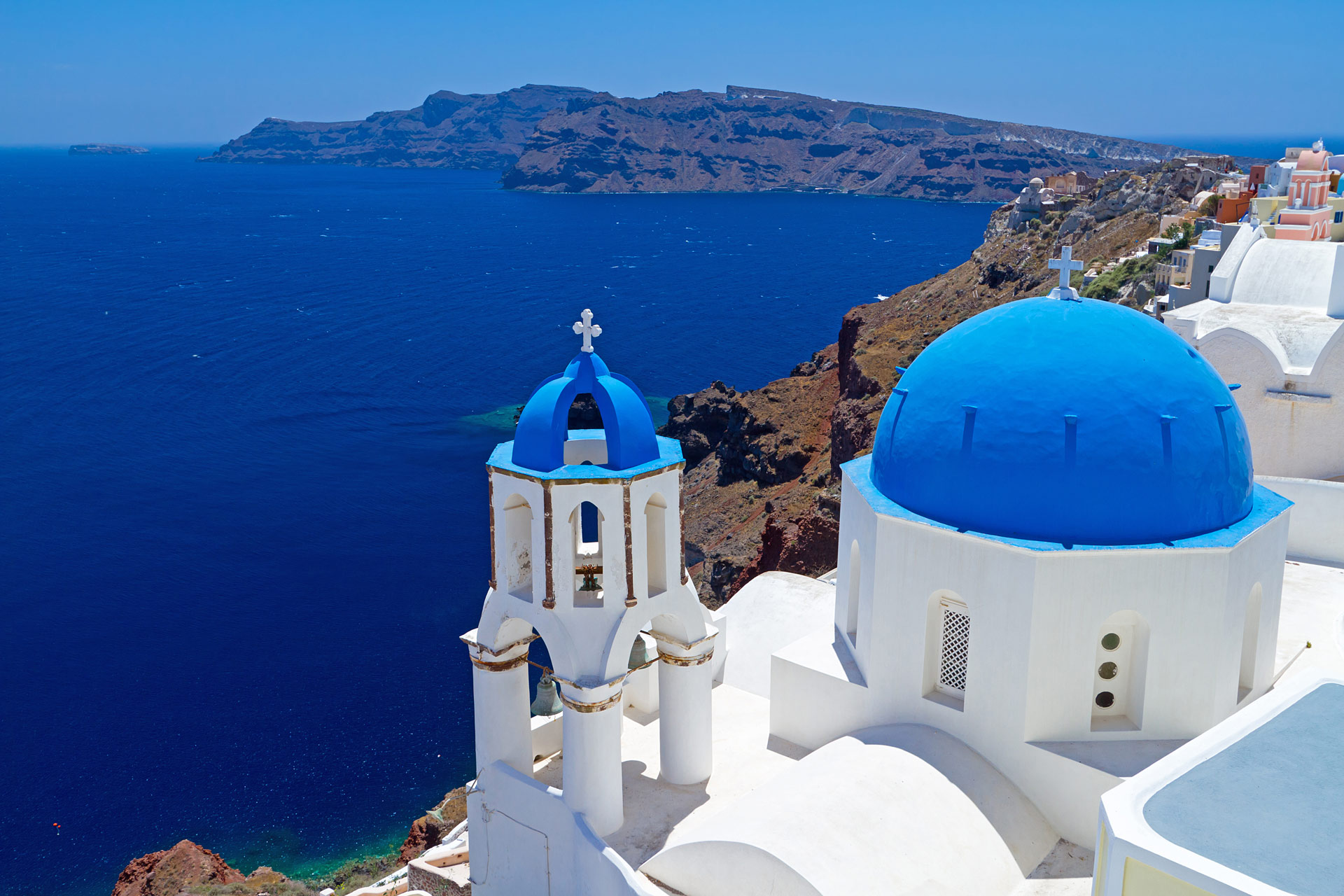
Transfer to the pier for a hydrofoil or ferry ride to Mykonos. Upon arrival, we are met and transferred to our hotel. Mykonos is known for its Cycladic architecture, whitewashed houses, blue-domed churches and lively island atmosphere. This day shifts the journey from Santorini’s volcanic setting to one of the Aegean’s best-known island communities, where harbour life, narrow lanes and beaches shape the island’s character.
Overnight: Giannoulaki Hotel, Mykonos (2 nights) (B)
Day at leisure. Mykonos has some of the most inviting beaches in the Cyclades, with wide sandy stretches that offer a relaxed contrast to the archaeology and city visits earlier in the journey. This is a day to enjoy the island’s coastal setting at your own pace. (B)
This morning, we take the ferry to Athens. Upon arrival, we are met and transferred to our hotel. Athens, named for the goddess Athena, has a recorded history of more than 3,000 years and remains one of Europe’s oldest cities. The balance of the day is free. Our hotel’s location in the Old Town gives us a good opportunity to walk to Athens’ most historic sites and begin connecting the ancient city with modern Greek life.
Overnight: Parthenon Hotel, Athens (2 nights) (B)
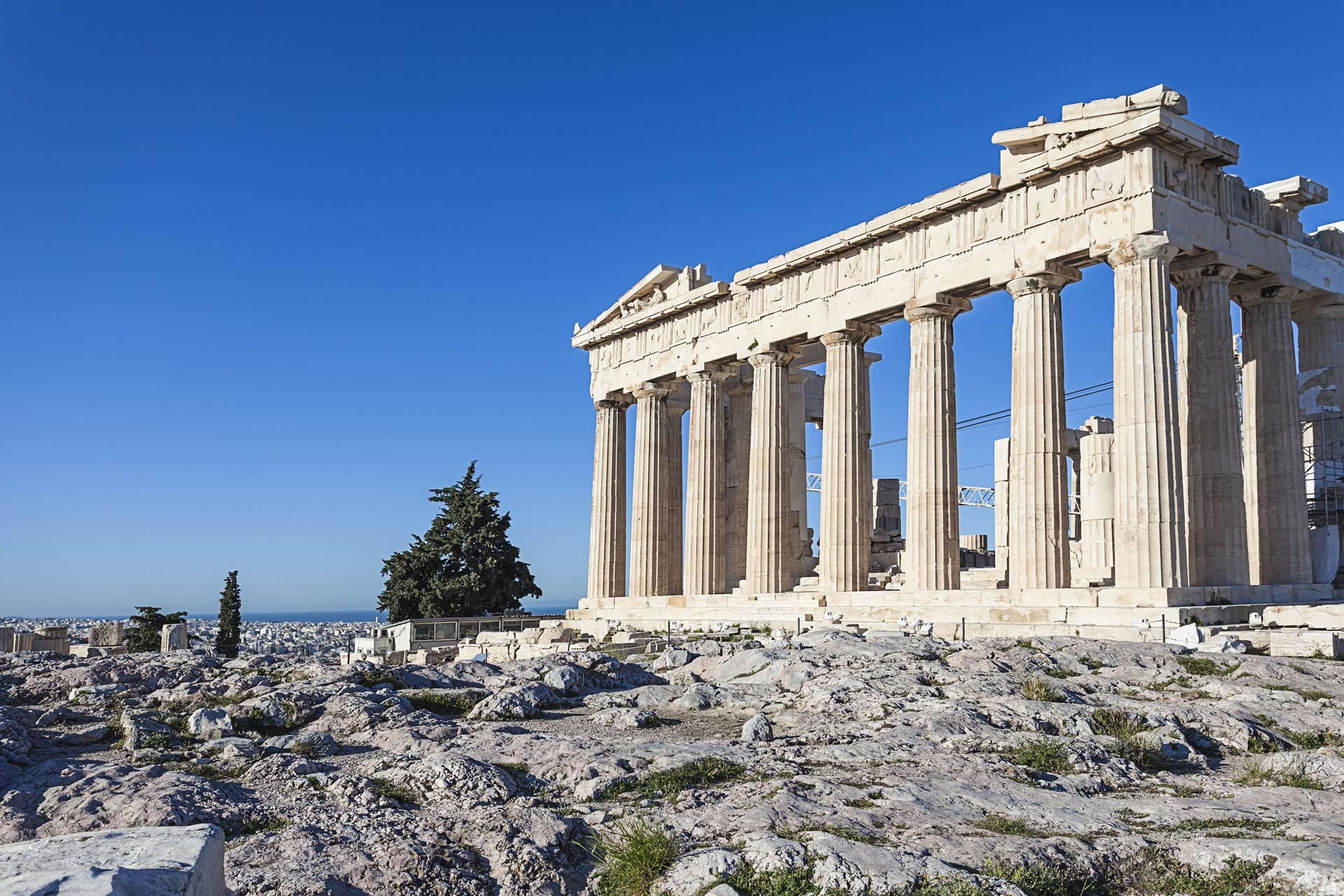
Day at leisure in Athens. Travellers may wish to visit the Acropolis, where the Propylaea, the Temple of Athena Nike, the Erechtheion and the Parthenon stand as major architectural works from the Golden Age of Athens. Other sights of interest include Constitution Square, Hadrian’s Arch, the Temple of Olympian Zeus and the Panathenaic Stadium, where the first Olympic Games of the modern era were held in 1896. The Evzones, ceremonial guards in distinctive uniforms, can also be seen at the Memorial of the Unknown Soldier and the Presidential Palace. (B)
After breakfast, we are transferred to Athens Airport for our departure flight. Hotel check-out time is by 11 AM. This final morning brings the journey to a close after tracing cultural and historical connections across Türkiye, the Aegean islands and mainland Greece. (B)
Departure Dates & Prices
| 2027 | Per Person on Twin Sharing |
Single Room Supplement |
|---|---|---|
| Departure(s) | ||
| May 01, 08, 22 & 29; Jun 05, 12 & 19; Jul 03, 17 & 31; Aug 14, 21 & 28; Sep 04, 11, 18 & 25 | ||
| From Apr 01 – Jun 15, 2027 | US$ 5385 | US$ 2580 |
| From Sep 01 – Sep 30, 2027 | US$ 5385 | US$ 2580 |
| From Jun 16 – Aug 31, 2027 | US$ 5715 | US$ 2630 |
| 2027 | Per Person on Twin Sharing |
Single Room Supplement |
|---|---|---|
| Departure(s) | ||
| May 01, 08, 22 & 29; Jun 05, 12 & 19; Jul 03, 17 & 31; Aug 14, 21 & 28; Sep 04, 11, 18 & 25 | ||
| From Apr 01 – Jun 15, 2027 | CA$ 7750 | CA$ 3713 |
| From Sep 01 – Sep 30, 2027 | CA$ 7750 | CA$ 3713 |
| From Jun 16 – Aug 31, 2027 | CA$ 8224 | CA$ 3785 |
Notes
Inclusions
Participants
This tour operates on a minimum of 2 and a maximum of 28 participants
Customised Itinerary
If you would like to have a tour on dates other than the above ones or with a customised itinerary, please contact Bestway Tours & Safaris and we will be happy to work out an exclusive program for you.
Recommended Trips

Sign up for our Bestway Club newsletter and be the first to know about special discounts, new tours and travel updates!