Embark on an unparalleled expedition across 12 West African countries, a journey like no other that can be experienced in full or in your preferred combination of 25 carefully chosen legs from 7 to 56 days (contact us for full details or if you are interested in a specific segment).
From the lush coasts of the Gulf of Guinea to the sweeping sands of the Sahara, this route takes you through regions where tradition runs deep and visitors are rare—we guarantee you may be the only outsider there. Along the way, witness powerful ceremonies, explore remote villages, and uncover both cultural treasures and natural wonders. With carefully selected accommodations and expert leadership, comfort and safety are at the forefront of this great adventure. This is more than travel—it’s a once-in-a-lifetime immersion into the heart and soul of Africa.
Welcome to Benin! Known as the birthplace of Voodoo and home to a rich legacy of kingdoms and trade, Benin offers a deep cultural heritage that still shapes West Africa today. Its largest city, Cotonou, serves as the country’s vibrant economic and cultural hub, blending tradition with modern life. Upon arrival, we are met and transferred to our hotel, with check-in from 3 PM.
Overnight: Hotel Azalai (4-star), Cotonou (1 night)
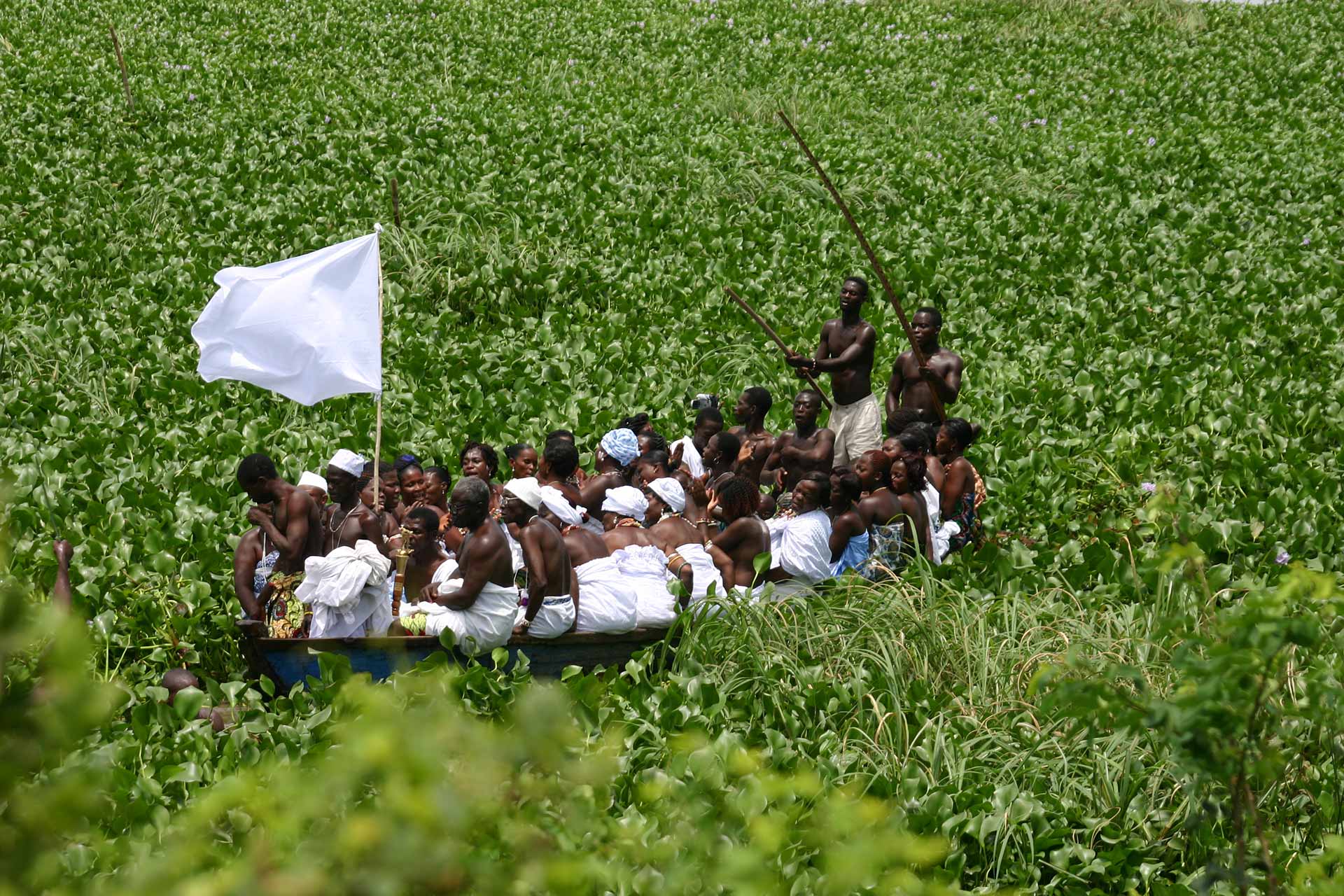
We leave our vehicles and cross Lake Nokwé on a motorized boat to reach Ganvié, the largest and most picturesque African village built on stilts. Its roughly 25,000 residents belong to the Tofinou ethnic group and construct their wooden homes on teak stilts. Fish farming using traditional tribal methods is their primary livelihood. Despite long-standing human settlement, Ganvié has preserved both its traditions and the lake’s ecosystem, which remains far from overfished. Daily life revolves around dugout canoes, expertly rowed by adults and children alike with brightly coloured paddles. From these canoes, men fish, women display their goods at the floating market, and children go to school and play—learning to swim before they walk, as the saying goes in Ganvié.
Travelling along the fishermen’s paths that wind past endless yellow beaches, towering palms, thatched huts, and colourful dugout pirogues, we arrive early at one of the region’s finest coastal resorts. Dinner and overnight are at Hotel Casa del Papa, a 4-star international resort with pristine beaches, a swimming pool, and oceanfront bungalows featuring air-conditioning and private facilities—or similar accommodation.
Overnight: Casa Del Papa (4-star), Ouidah (1 night) (B, L, D)
The small town of Ouidah was brought under the Dahomey Kingdom in the 18th century and became a major slave shipping port. We begin our visit by following the “slave road” to the shore, the so-called “Door of No Return,” where enslaved people were sent across the Atlantic. Once known as the “Slave Coast,” Ouidah is notable for its rare Afro-Brazilian architecture, a unique blend of cultures where the Python Temple stands opposite the Catholic Cathedral. The laid-back rhythm of local life, mingled with the distant roar of the ocean and the beat of drums, evokes the haunting echoes of those who were once embarked from these shores—a timeless atmosphere captured by Bruce Chatwin in The Vice-Roy of Ouidah. On foot, we explore the Python Temple and the Portuguese Fort (currently under renovation), now a small but compelling museum detailing Ouidah’s history, the transatlantic slave trade, and the cultural links it created between West Africa and Caribbean Voodoo traditions.
Between lagoons and the ocean, we discover the Zangbeto cult. The Zangbeto Mask, tall and covered with coloured straw, represents wild, non-human spirits—the forces of nature and night that roamed the Earth before humans. Its wearers belong to a secret society, keeping their identities hidden from outsiders. When Zangbeto dances, the entire village takes notice: the performance offers protection against evil spirits and witchcraft, with spinning movements symbolizing spiritual purification. The mask is also said to perform “miracles,” demonstrating its powers.
Overnight: Awale Plage Hotel, Grand Popo (1 night) (B, L, D)
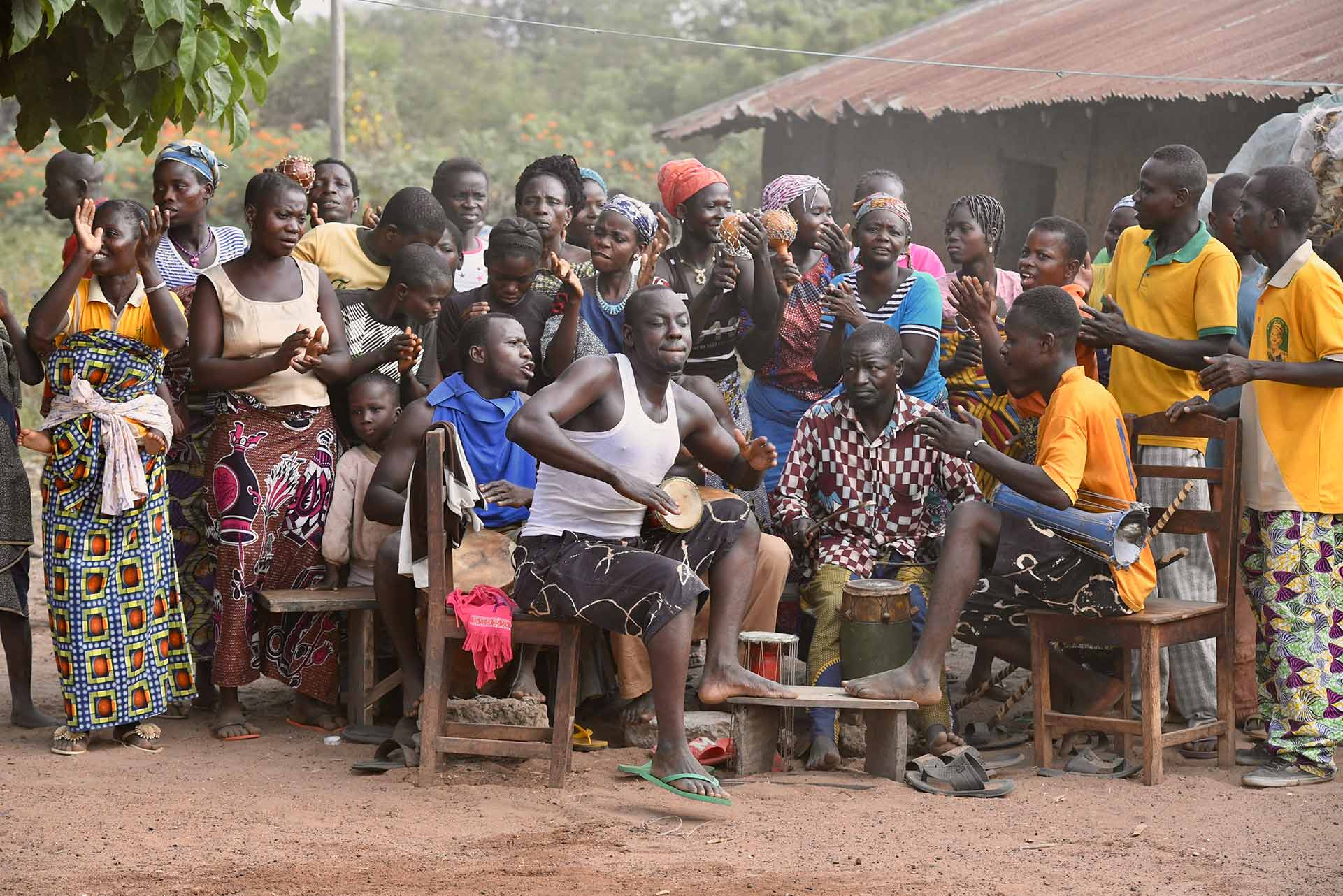
Crossing the border into Togo, we enter a region where Voodoo is the dominant faith along the coast of both Togo and Benin. Authentic ceremonies are still part of daily life: the pounding of drums and the chants of devotees summon the spirits, who may then take possession of participants. Those in trance often display extraordinary signs—rolling eyes, distorted expressions, convulsions, and even a seeming indifference to fire or pain. Among the divinities that may appear are Sakpata, Heviosso, and Mami Water. Immersed in the charged atmosphere of the ritual, we come to grasp the local saying: “In your Churches you pray to God; in our Voodoo shrine, we become Gods.”
Overnight: Onomo Hotel, Lome (1 night) (B, L, D)
Lomé, the lively capital of Togo, is unique as the only African city once ruled by Germans, British, and French, while also drawing traders from across the continent. Remarkably, it is among the few world capitals situated directly on an international border. These influences have shaped the city’s way of life, blending diverse cuisines, architecture, and traditions. A true crossroads of cultures, Lomé remains cosmopolitan yet welcoming in scale. It is also a key hub for tribal art and artisanal crafts.
We will explore the central market, famous for the “Nana Benz”—women renowned for controlling the trade of luxurious “pagne” fabrics sold throughout West Africa—along with colonial-era buildings and the continent’s largest fetish market, where stalls overflow with ingredients used for potions and rituals. Later, we drive to the Ghana border and continue to Accra.
Dinner and overnight at Villa Boutique, a centrally located 4-star hotel with air-conditioned, self-contained rooms, or similar.
Optional: evening tour of Accra.
Overnight: Villa Boutique (4-star), Accra (1 night) (B, L, D)
In the morning, we dedicate time to discovering Accra. Despite rapid modern growth, Ghana’s capital has retained a distinct character. We will explore James Town, one of the city’s oldest districts and home to the Ga people. The tour concludes at a workshop where artisans craft remarkable “fantasy coffins”—elaborate creations shaped like fruits, animals, fish, vehicles, or even airplanes, limited only by imagination.
We then continue our journey to Kumasi. Dinner and overnight at the Lancaster Hotel, or similar, where we stay for two nights in air-conditioned, self-contained rooms.
Overnight: Lancaster Hotel, Kumasi (2 night) (B, L, D)
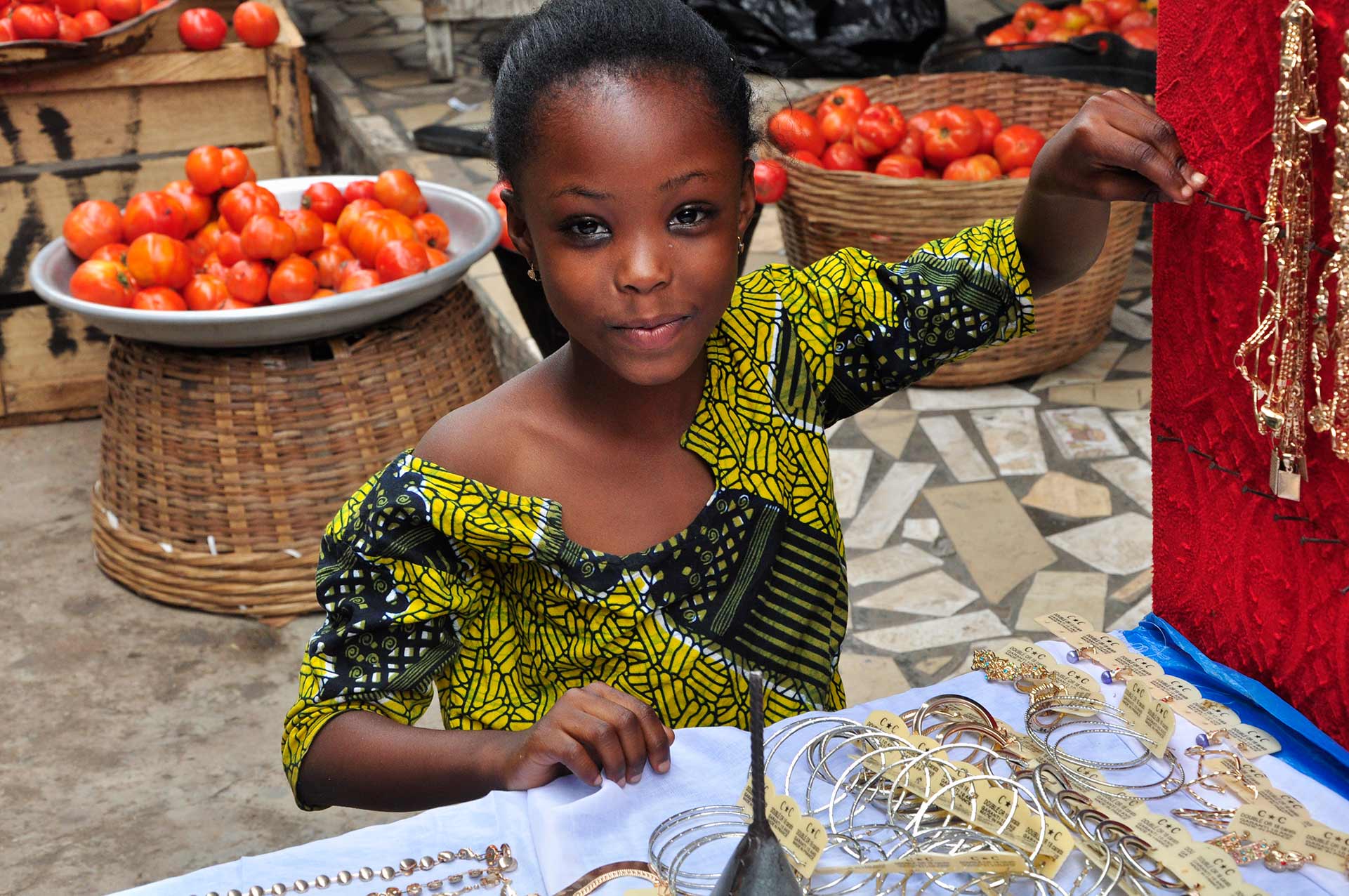
Kumasi is the historic and spiritual heart of the former Ashanti Kingdom. Once one of Africa’s most powerful states, the Ashanti retained influence until the late 19th century, when the British incorporated their territory into the Gold Coast colony. Today, with over three million residents, Kumasi is a lively city centered around its enormous central market—among the largest in Africa—where everything from Ashanti handicrafts (leatherwork, pottery, Kente cloth) to an astonishing variety of tropical produce is sold.
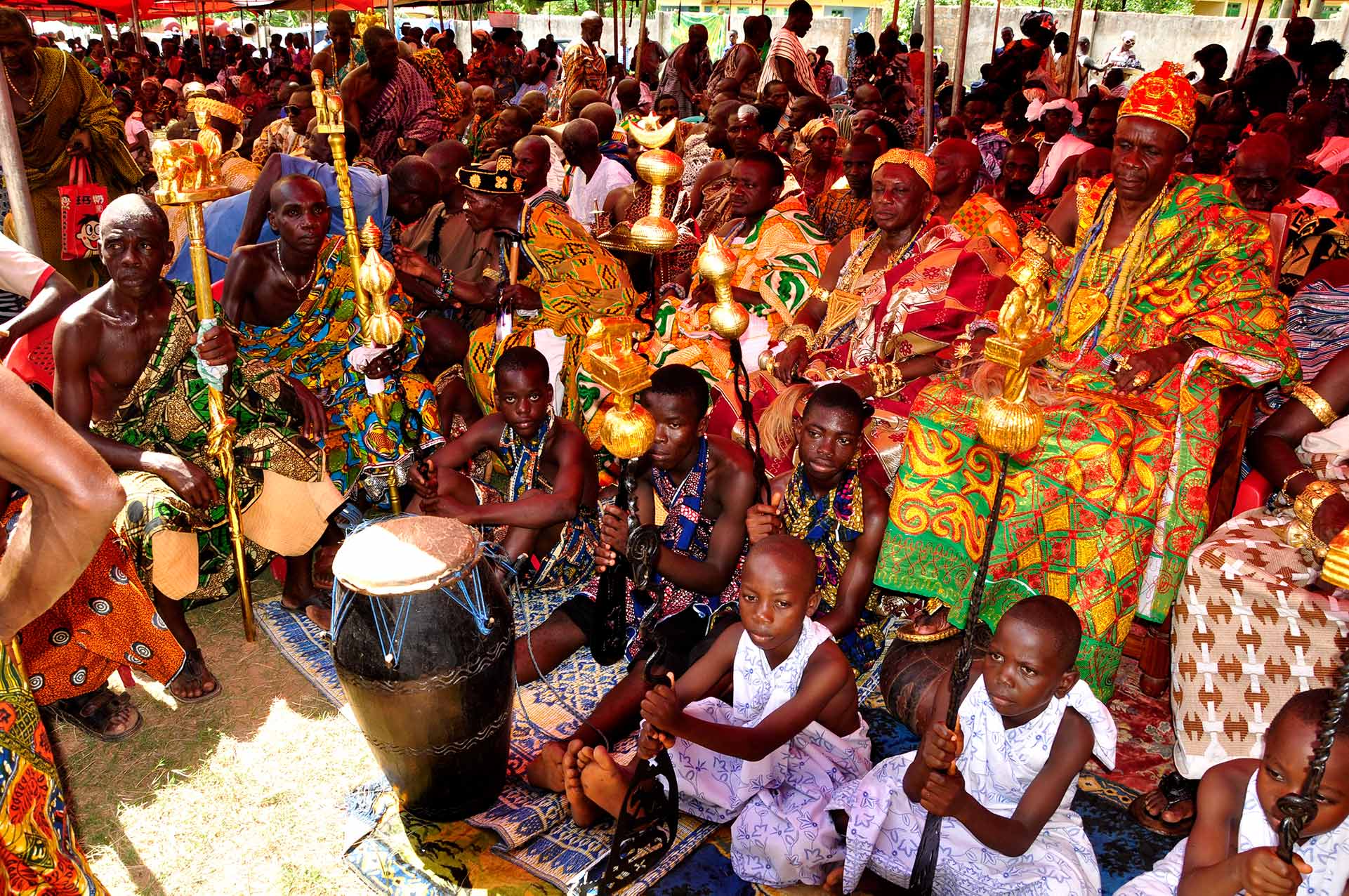
Our program includes a visit to the Ashanti Cultural Centre, which houses an exceptional collection of artifacts inside a reconstructed traditional Ashanti house. We will also be welcomed by a traditional Ashanti chief, giving us the opportunity to witness or take part in a cultural meeting or ceremony.
Dinner and overnight once again at the Lancaster Hotel, in air-conditioned, self-contained rooms. (B, L, D)
Early this morning, we set out for Elmina. Before reaching Elmina, we will stop in an ancient village to see the Posuban, shrines of the Asafo where warriors still pour libations. The alleys of the old city have a unique atmosphere, taking us back to the time before the colonial period, when this region was the first place of fixed trade between Europeans and Sub-Saharan Africa.
We then continue on to Elmina to discover the historic slave trade castles. The most prominent, São Jorge da Mina, was built by the Portuguese in 1482 and is considered the oldest European building in Africa. Over the centuries, the fortress served as a trading post—first for gold, later ivory, and eventually enslaved people. This coastline was once known as the “Gold Coast.”
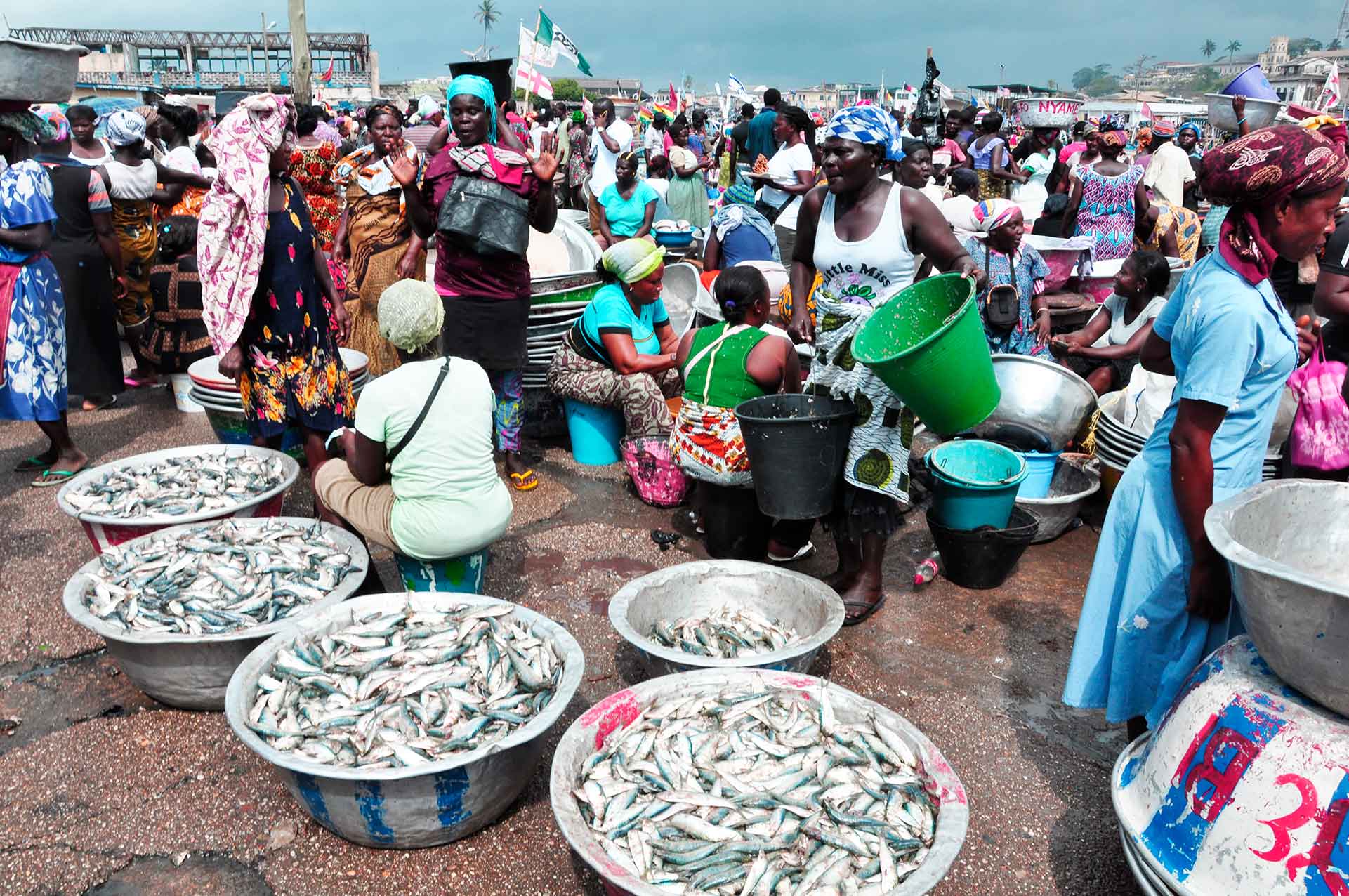
The castle we visit today reflects centuries of modifications and expansions and is now recognized as a UNESCO World Heritage Site. Just across from the fortress lies a bustling fishing harbour, where hundreds of brightly painted wooden canoes line the shore. Later, we will board a boat to experience the fishing harbour from the inside.
Dinner and overnight at the oceanfront Anomabu Beach Resort, with spacious, air-conditioned bungalows—or similar.
Overnight: Anomabu Beach Resort, Elmina (1 night) (B, L, D)
Set out early to travel to Axim, where we visit Fort San Antonio, built by the Portuguese in 1515 near the mouth of the Ankobra River. Situated on a rocky outcrop facing the ocean, this heavily fortified stronghold became the main centre for gold trading along the former Gold Coast.
From Axim we continue our journey to the border with Côte d’Ivoire, whose name reflects its history in the ivory trade, and reach the riverside town of Aboisso on the Bia River.
Dinner will be enjoyed at lively open-air restaurants in the central square—a safe and authentic introduction to African street food. Overnight at Hotel Le Rochè, with air-conditioned en suite rooms (note: no twin rooms available), or similar.
Overnight: Hotel Le Roche, Aboisso (1 night) (B, L, D) – No twin rooms available
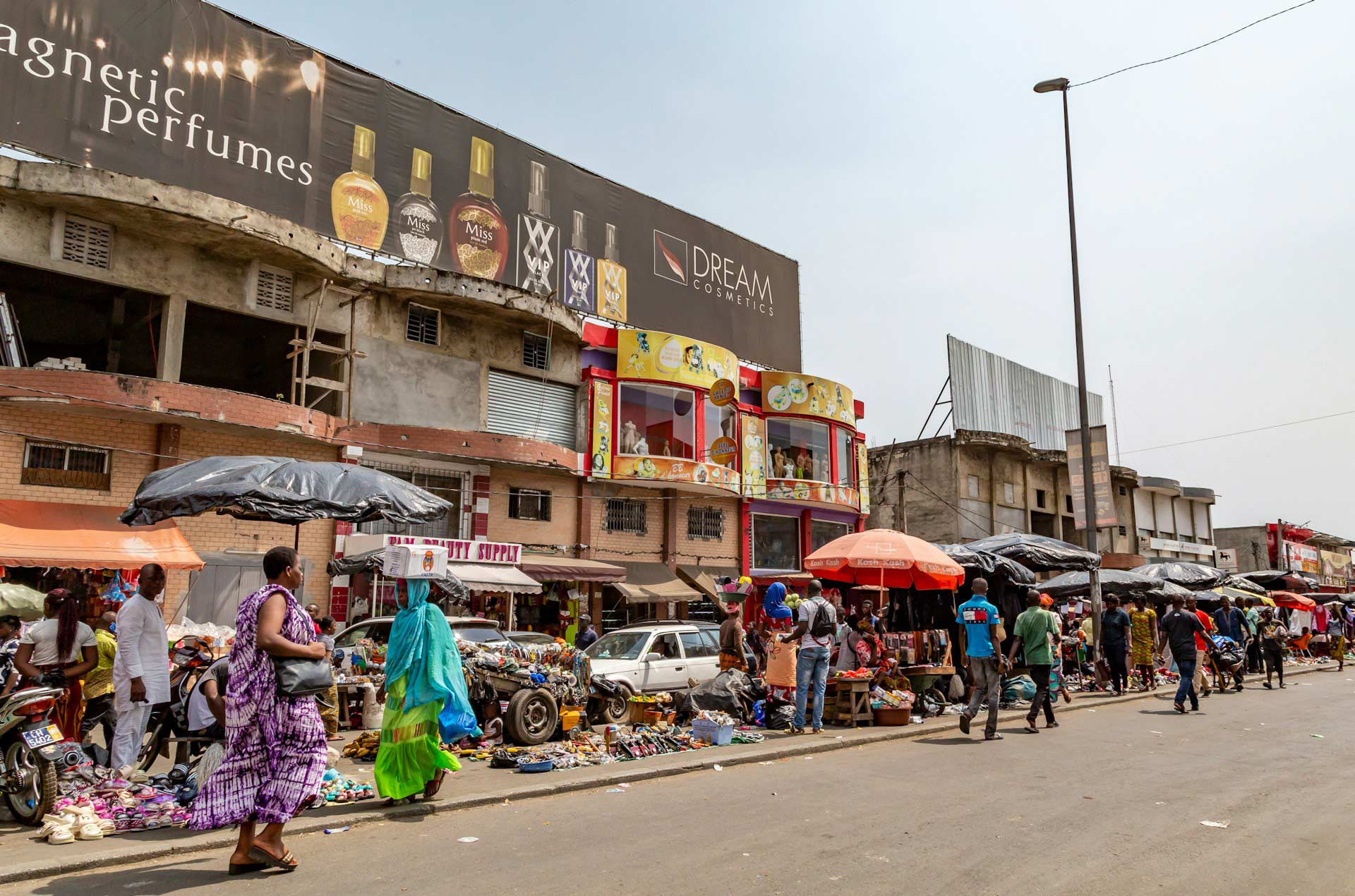
We arrive in Grand-Bassam, a historic town set on a sandbar between the lagoon and the ocean. Once the capital of the French colony of Côte d’Ivoire, it is today a seaside retreat for people from Abidjan. Its shaded avenues lined with tall trees, vivid bougainvillea, and well-preserved colonial architecture create a uniquely atmospheric charm.
Highlights include the old post office, a fine example of colonial design, and the Costume Museum, housed in the former governor’s palace. With its sweeping outdoor staircase and remarkable collection of masks, costumes, ornaments, and ethnographic photography, the museum provides an exceptional window into the country’s cultural heritage.
We continue westward toward Abidjan. Overnight at the modern and comfortable Azalai Hotel, a four-star property of international standard, or similar.
Overnight: Azalia Hotel (4-star), Grand Bassam (1 night) (B, L, D)
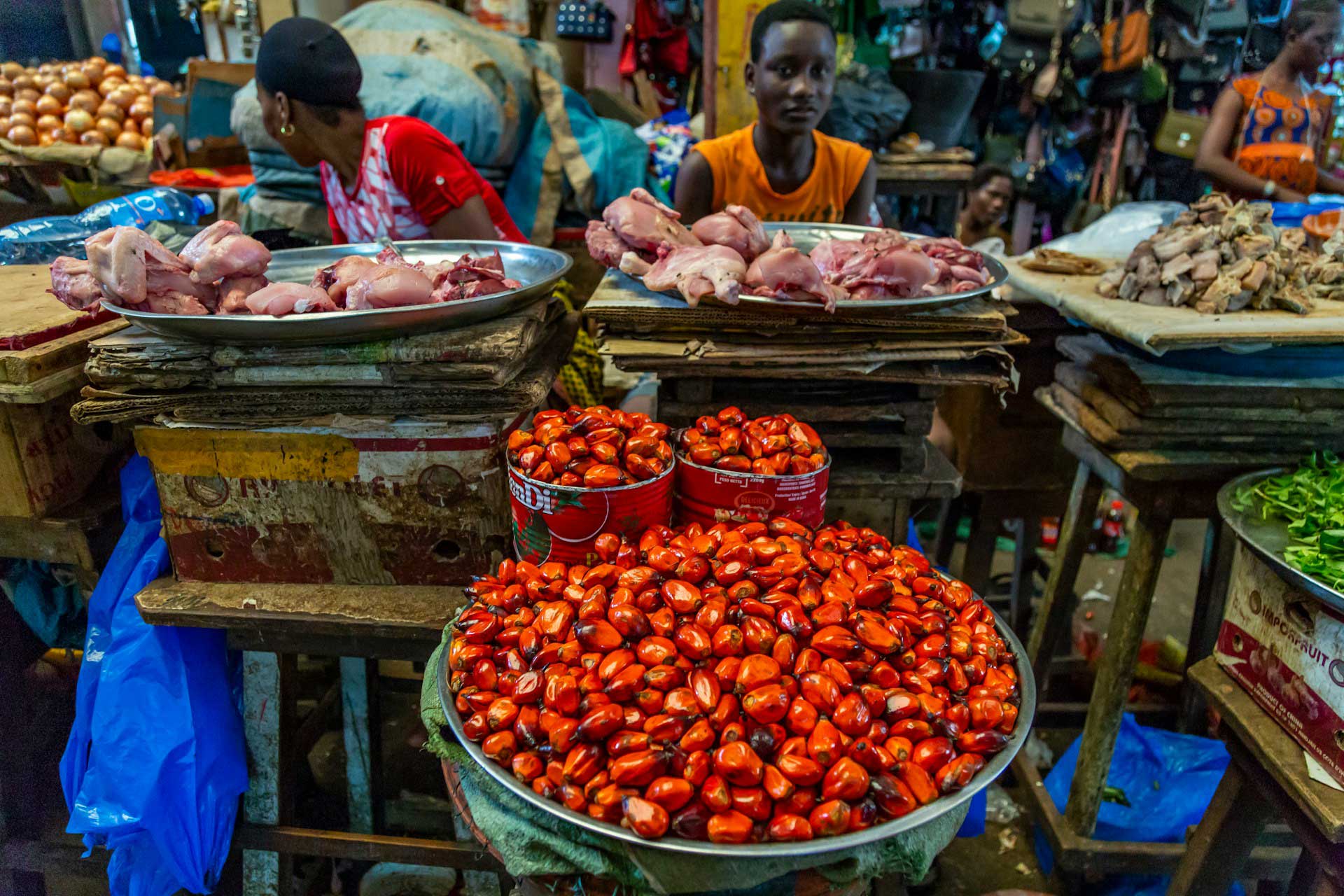
Beyond the lagoon lies the “Plateau,” Abidjan’s fast-growing City District. Unlike most African cities, expansion here is vertical, with modern high-rises and skyscrapers dominating the skyline. With little land available, new space is continually reclaimed from the Ebrié Lagoon. To the west, the harbour bustles with crowds waiting for public boats, while to the east the silhouette of Saints Peter & Paul Cathedral rises against the horizon. The rapid pace of development—reflected in the country’s 6% GDP growth since the civil war—also brings with it heavy, chaotic traffic.
In the afternoon, we take the motorway toward Yamoussoukro. Dinner and overnight at the comfortable Royal Hotel, featuring air-conditioned self-contained rooms and a swimming pool, or similar.
Overnight: Royal Hotel, Yamoussoukro (1 night) (B, L, D) – No Twins available
Yamoussoukro has served as Ivory Coast’s official capital since 1983 and is also the birthplace of Houphouët-Boigny, the first President of independent Ivory Coast. It reflects the Ivorian dream of the 1970s and 1980s—a nation with limited natural resources that nevertheless built the largest economy in French-speaking West Africa. We visit the Basilica of Our Lady of Peace, modeled on St. Peter’s in Rome and recognized as the largest Christian church in the world, adorned with stunningly tall and colorful stained-glass windows. Driving along wide boulevards where only a few cars share space with zebus and chickens, we also see oversized government buildings, high-rise hotels, and even a man-made lake inhabited by crocodiles, creating a surreal atmosphere.
In a nearby village, we experience the Zaouli dancing masks. This traditional performance of the Guro people, first created in the 1950s and linked to the figure of “Djela Lou Zaouli,” is famous for its incredibly refined and intricate leg and footwork, with each mask carrying its own symbolic meaning.
We continue to Daloa for dinner and overnight at Hotel La Grace, featuring self-contained air-conditioned rooms, or similar.
Overnight: Hotel La Grace, Daloa (1 night) (B, L, D) – No Twins available
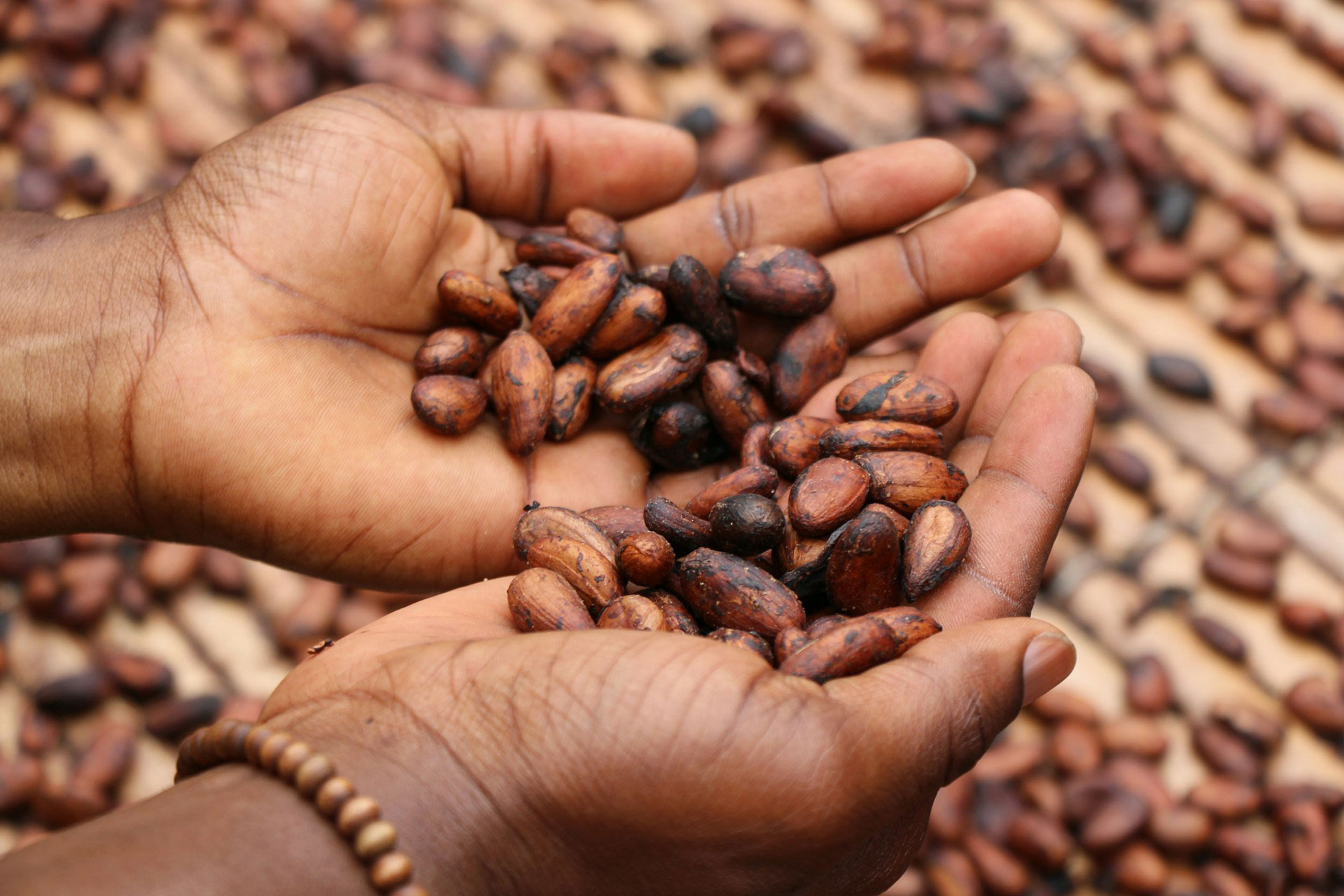
We begin our journey through lush coffee and cocoa plantations, punctuated by small villages. Ivory Coast is the world’s largest cocoa producer, followed by Ghana, and together they account for more than half of global supply. Leaving the main road behind, we travel by 4x4 into remote forest settlements where visits from outsiders are uncommon, to meet the Guere people. Here, we witness the striking Guere Masks, which emerge from sacred forests to dance in the village when distinguished guests are welcomed.
With luck, we may also see the rare performance of the “Jugglers,” a vanishing initiation ritual once widespread among girls but now preserved only in a few villages. The Dan and Guere peoples are renowned for their masks, widely considered masterpieces of African art.
By evening, we reach the small town of Man, encircled by 18 verdant mountains and known as the capital of this forested region. We spend two nights here at Hotel Beau Sejour, offering air-conditioned, self-contained rooms and a swimming pool, or similar accommodation.
Overnight: Hotel Beau Sejour, Man (2 nights) (B, L, D)
Arriving in a tiny village, we will witness sacred masks emerging from the forest. In Dan Guéré culture, the creator god communicates with humans only through these masked intermediaries. During the traditional dance, the divide between the human and spirit worlds disappears, restoring cosmic and social harmony while honoring the gods and ancestors.
Next, a road cutting through lush vegetation leads us to a remote village, followed by a short walk to a spectacular liana bridge spanning a wide jungle river. These bridges are masterpieces of "tribal technology," constructed entirely from local wood and vines without nails, rope, or any materials foreign to the forest. Only initiates are permitted to harvest the wood and lianas, which must be left in the jungle where it is believed a powerful spirit constructs the bridge in a single night. To protect the secrecy of this "magic technology," women and the uninitiated are strictly banned from the forest while a new bridge is being prepared.
Dinner and overnight stay will be at Les Lianes hotel, which has air-conditioned self-contained rooms, or similar (no twin rooms available).
Overnight: Les Lianes Hotel, Man (2 nights) (B, L, D) – No Twins available
After completing border formalities, we will cross into Liberia, entering a hilly and luxuriant landscape. Setting off early, we wind along rugged roads and trails toward the heart of Nimba County. Here, the spectacular Nimba Mountains straddle the borders of Guinea, Ivory Coast, and Liberia, towering up to 1,752 meters (5,748 ft) as a UNESCO Biosphere Reserve and wildlife sanctuary.
As we ascend, the scenery shifts dramatically from dense valley rainforest to extraordinary high-altitude canopy above 1,000 meters (3,280 ft). Our drive cuts through this lush tapestry, leading us into the protected reserve to Nimba Eco Lodge, perched beautifully at 900 meters (2,952 ft) where these two forest worlds meet. Local legend holds that deep within these woods lives Zogbenya, a mysterious spirit guardian of the peaks. Said to be visible only to the pure of heart, this spirit protects the mountains and ensures the balance between humankind and nature. Keep your eyes open—the mountain breeze often seems to whisper its presence. From the lodge’s panoramic terrace, choose your own adventure: embark on a one- to two-hour guided trek into the ancient primary forest, or simply unwind and absorb the cool mountain air and sweeping vistas.
Dinner and overnight stay at Nimba Eco Lodge, with ventilated eco-bungalows with private facilities, if available, or similar.
Overnight: Nimba Eco Lodge, Nimba Region (1 night) (B, L, D)
PART 2: 20 days from Monrovia to Dakar (Liberia, Sierra Leone, Guinea, Guinea Bissau, The Gambia, Senegal)
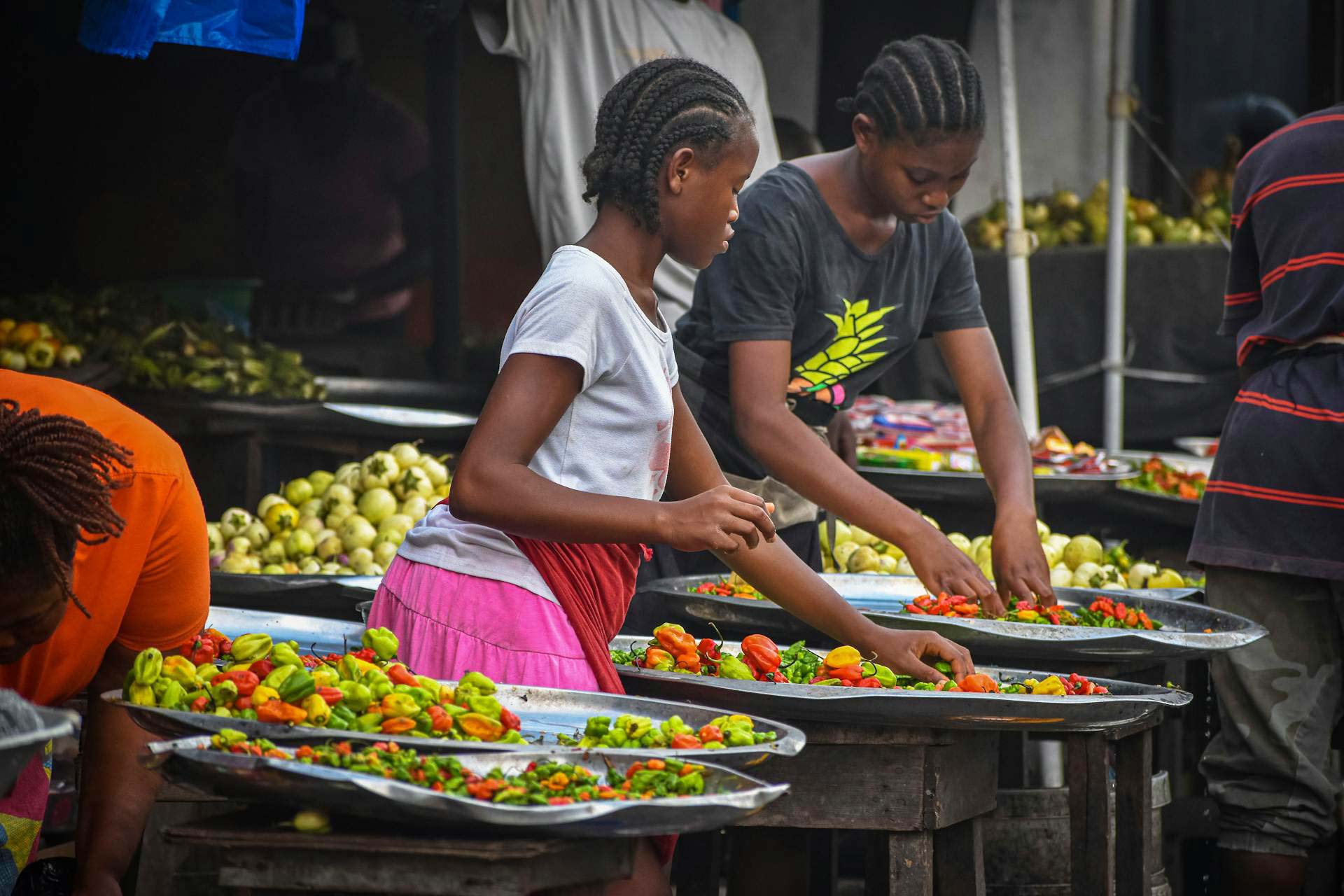
Leaving the mountains, we will explore the region's historic mining sites before driving to Monrovia, the vibrant capital of Liberia. Liberia holds a unique place in history as the only African nation that was never colonized or placed under a protectorate.
The country was founded by freed slaves who returned from America to Africa; today, their descendants represent approximately 5% of the population and remain the primary architects of the nation’s modern economy and political landscape. While the official language is English, roughly 80% of the population speaks Kreyol (Liberian Krio)—a distinctive and melodic "pidgin" rooted in 19th-century American English.
Dinner and overnight stay at the comfortable Cape Hotel, a four-star, international-standard property in Mamba Point, Monrovia’s premier district, or similar.
If you are joining for Part 2 only, transfer from Liberia airport to the hotel on this evening after arrival.
Overnight: Cape Hotel (4-stars), Monrovia (2 nights) (B, L, D)
With its sweeping ocean views, our hotel serves as the perfect starting point to explore the capital. We begin by delving into the profound influence of Freemasonry on Liberian history and Krio culture with a visit to the Grand Masonic Temple, the city's most imposing landmark.
A haunting symbol of Monrovia’s past is the Ducor Palace. Opened in 1960 as one of Africa's first five-star hotels, it sits upon a rocky hill at the city’s highest point, dominating the skyline and the bay. This was once the playground of the post-independence elite; local lore recalls Idi Amin swimming in the pool with a pistol at his belt while the legendary Miriam Makeba performed nearby. Though looted during the civil war and currently abandoned following a stalled redevelopment deal involving the Libyan government, we will attempt to secure the necessary permissions to explore its storied ruins.
Our cultural journey continues at the National Museum, housed in a beautiful example of traditional Krio architecture. Inside, we will discover an extensive collection of ancient masks and ritual objects, alongside a poignant photographic exhibition documenting the civil wars that gripped the nation from 1989 to 2003. Our exploration concludes with a walk past the city's historic colonial buildings and sturdy stone Krio churches.
Dinner and overnight stay at The Cape Hotel or similar.
If you are only taking Part 1 of the tour, enjoy room for day-use until 6:00 PM. Transfer to the airport around 2 hours driving) for a night flight out. (B, L, D)
This morning, we follow the Mano River, the natural border between Liberia and Sierra Leone, and complete border formalities. From there, we drive along a spectacular new road that winds through Sierra Leone’s lush forests. The region’s coastline, named the “Sierra of Lions” by the first Spanish navigators, offers breathtaking scenery.
Sierra Leone is world-renowned for its diamonds, a resource that has played a pivotal role in the country’s recent and turbulent history. The allure of finding a fortune is as addictive as gambling. While only the luckiest find true wealth, the quantity and quality of gems still waiting to be discovered remains significant.
Upon reaching a rural village, we will seek permission from the local chief to visit a nearby mining site. Here, we meet artisanal diamond seekers as a local guide explains the techniques of traditional mining and sand washing. Afterward, we continue to the lively and welcoming town of Bo. Our visit includes a stop at a local Diamond Shop, a fascinating hub where rough diamonds are appraised and specialized digging equipment is traded.
Dinner and overnight stay at the comfortable Bo Inn Hotel or Dohas Hotel, featuring self-contained, air-conditioned rooms, or similar.
Overnight: Bo Inn Hotel/Dohas Hotel, Bo (1 night) (B, L, D)
Among most African communities, masks are traditionally worn by men, but with the Mende people and neighbouring groups, the Bundo masks are the domain of women. These masks play a vital role in girls’ initiation rites. We visit a village to witness the ceremonial exit of the masks, a lively event attracting a colourful crowd.
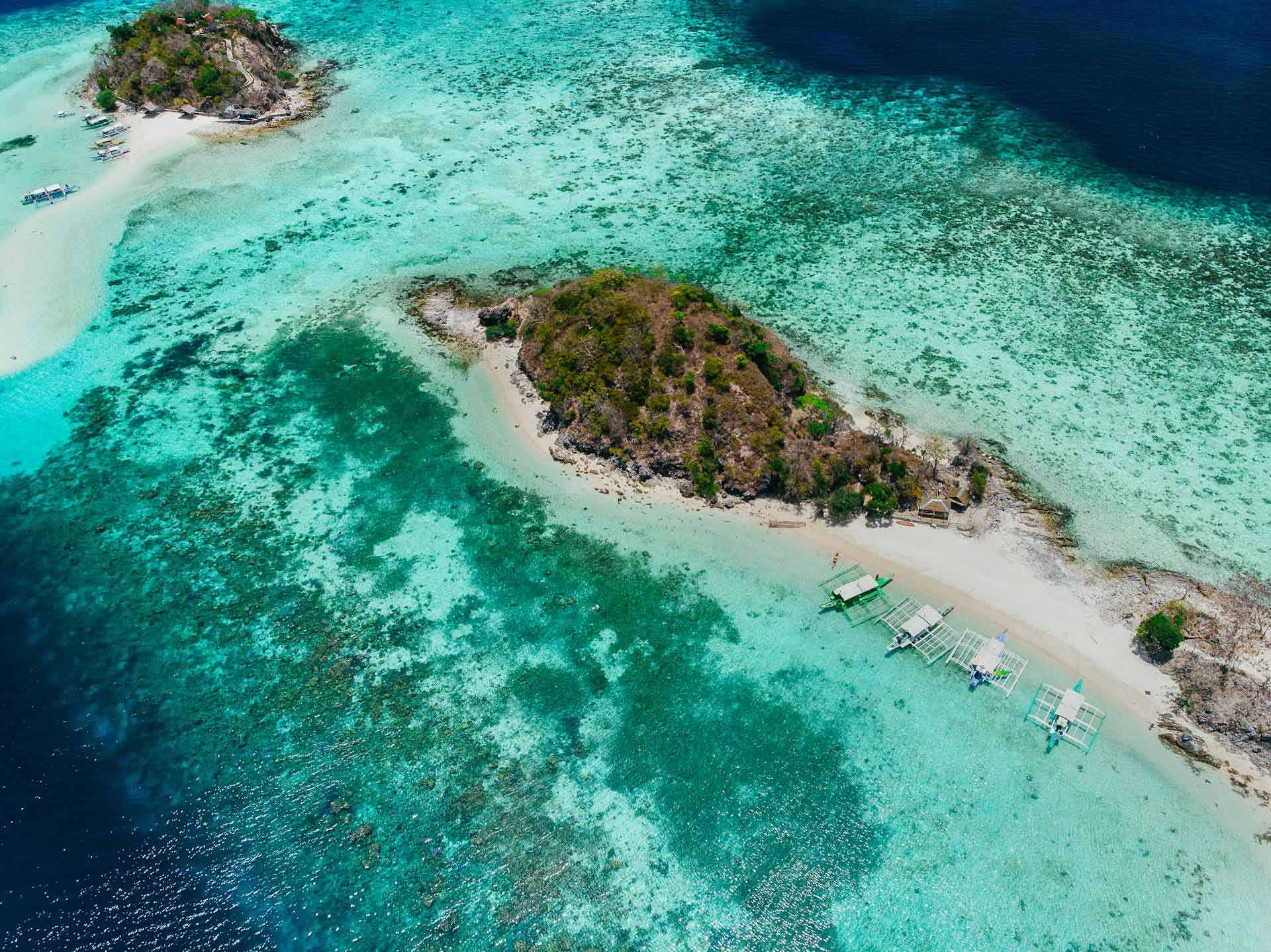
After this experience, drive to the Atlantic coast, where at the village of Kent we leave our vehicles to board a local boat for a short cruise to Banana Island.
Dinner, and overnight are at the cozy Bafa Fix Camp, with permanent tents nestled in the forest and facing the ocean. Facilities include a central sanitary block, and meals feature fine cuisine based on the catch of the day (other options available if requested). Guests can enjoy cocktails and a relaxed tropical atmosphere.
Overnight: Baha Fix Camp, Banana Island (2 nights) (B, L, D)
We board a wooden boat for a scenic circumnavigation of this legendary island, where emerald mountains are blanketed in untouched primary forest. As we glide through the waves, we discover hidden coves and charming Krio fishing villages that reveal an old Caribbean soul echoing through the landscape.
For the adventurous, an optional two-hour hike through shaded forest trails offers a deeper connection with the island’s wild nature. Those who prefer to unwind can enjoy our camp, nestled among the trees with views of the sea, which invites you to slow down and listen to the rhythm of the waves. Whether you are exploring jungle paths or lounging by the gentle waters of a secluded beach, this day is yours to experience the raw beauty and peaceful spirit of the island.
Dinner and overnight at cozy Baha Fix Camp. (B, L, D)
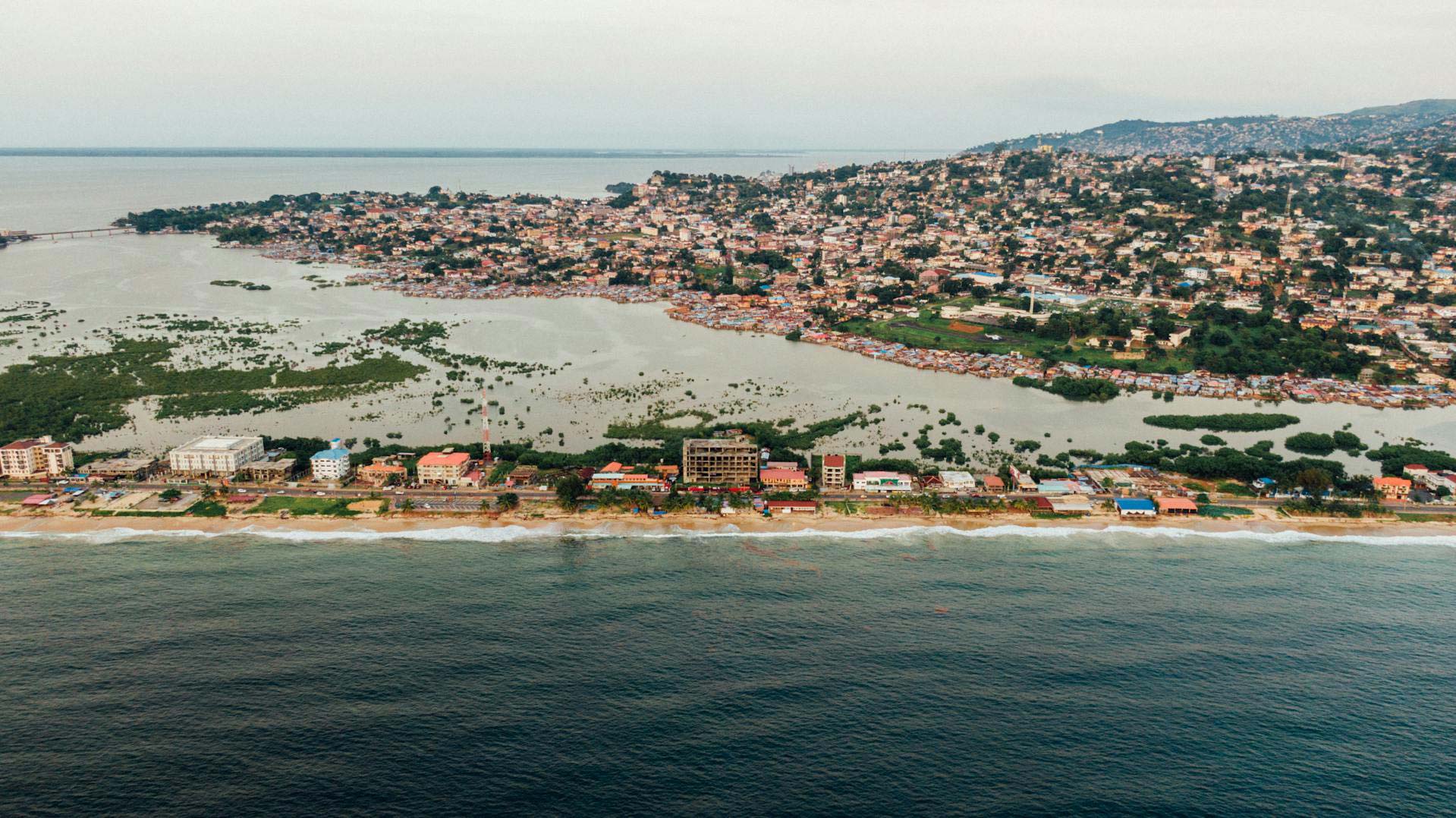
The boat brings us back to the mainland, and we drive along the coast at the slopes of the Freetown Peninsula mountains, where only the golden beaches separate the lush green vegetation from the deep blue ocean. The coastline is home to some of West Africa’s finest beaches.
Later, we arrive in Freetown, the capital of Sierra Leone. Freetown’s origins date back to 1786, when the first 380 freed African slaves arrived from America, having fought in the independence war alongside the British. After losing the war, they were sent to Sierra Leone to establish the first freed slave settlements. In the first months, the newcomers faced starvation, unfamiliar diseases, and tensions with local populations. During the Napoleonic Wars, Freetown was attacked by seven French vessels and largely destroyed, with a few survivors escaping on pirogues once used by slave traders.
From 1807, following the British abolition of the slave trade, captured slave ships brought freed Africans to Sierra Leone, and in 1808 Freetown became the capital of Britain’s first colony in tropical Africa. The Krio people, descendants of freed slaves, quickly became an educated elite, establishing Fourah Bay University in 1845 and earning Freetown the nickname “Athens of West Africa.”
Our visit covers the historic center’s Krio and Colonial architecture, the site of the legendary Cotton Tree, the National Museum, the Palace of Justice, and St. George’s Cathedral. We also visit the unique Sierra Leone Peace Museum, which offers a moving look at the decade-long civil war and the nation’s journey toward reconciliation.
Dinner and overnight are at the comfortable Swiss Hotel, four stars, international standard, with self-contained rooms (no twin rooms available).
Overnight: Swiss Hotel (4-stars), Freetown (1 night) (B, L, D) – No Twin rooms available
After navigating several border controls, we arrive in the pleasant trading town of Kindia. Situated at a strategic crossroads, Kindia connects the coastal plains with the towering Fouta Djalon mountains and the dense western forests.
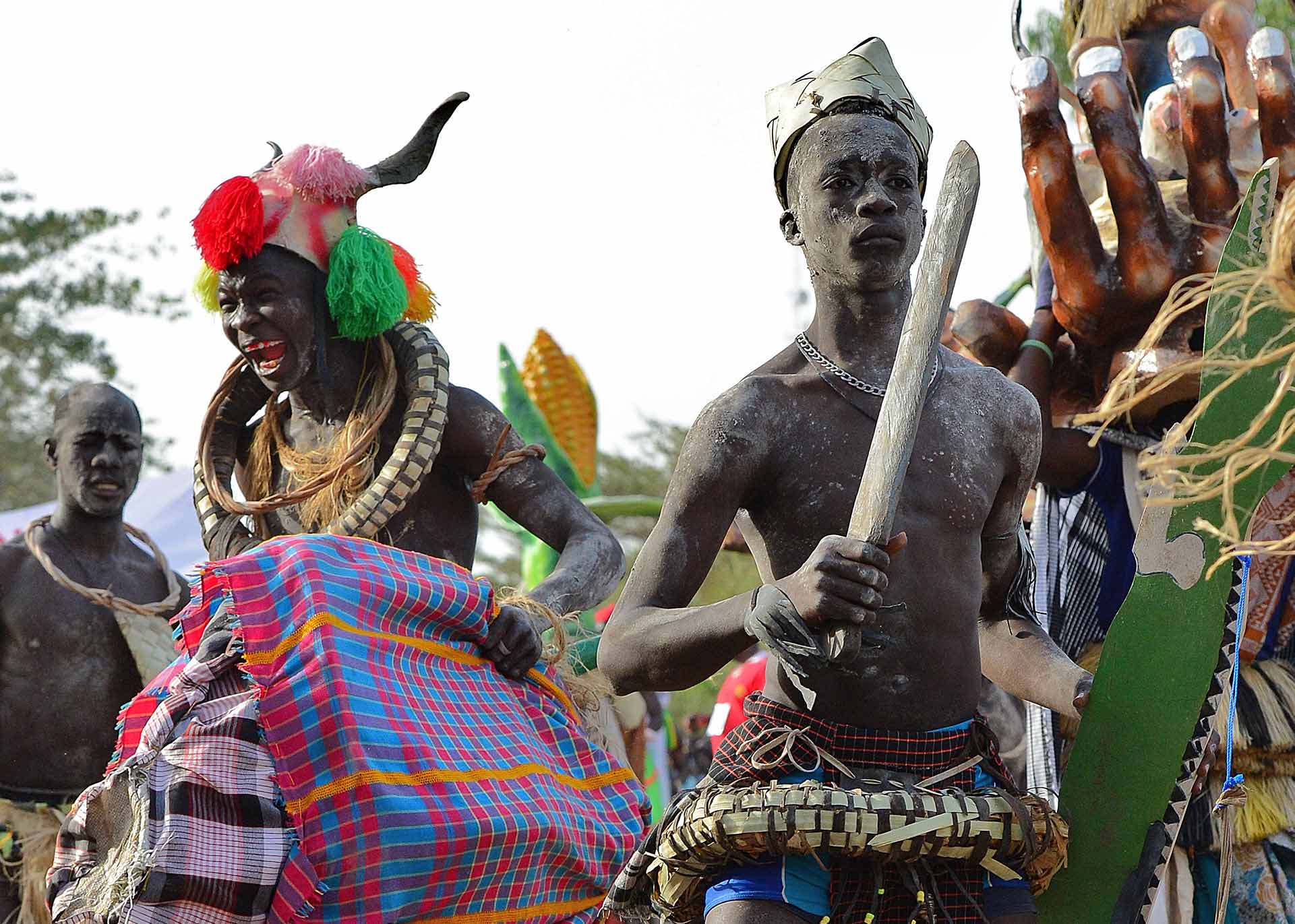
Our evening begins with a special tasting of diverse Guinean culinary specialties. Afterward, illuminated by the glare of a bonfire and the intense rhythm of drums, sacred masks will emerge from the forest to perform. The highlight of this ritual is the appearance of the Baga Nimba. As one of the most spectacular and significant masks in West Africa, the Nimba is a powerful symbol of the Guinean nation.
Dinner and overnight will be at Hotel Masabi, with air-conditioned, self-contained bungalows, or similar (no twin rooms available).
Overnight: Hotel Masabi, Kindia (1 night) (B, L, D) – No Twin rooms available
After passing through Mamou, the gateway to the Fouta Djalon massif, we follow a panoramic road ascending the southern slopes to Dalaba, situated at an altitude of 1,200 meters [3,900 ft].
The Fouta Djalon is widely considered the most spectacular region of Guinea, where jagged mountains, high plateaus, and rolling savannahs drop into deep, mist-filled valleys. Known as the "water reservoir" of West Africa, this massive highland is the source of three major rivers that give their names to four nations: the Niger, Nigeria, the Senegal, and the Gambia. The region is the ancestral home of the Fulani people (also known as the Peul), who are renowned for their traditional standards of beauty and their expertise as the greatest zebu cattle breeders south of the Sahara.
Due to its cool, healthy climate, Dalaba was a favored holiday retreat for the French during the colonial era, and the surrounding coniferous forests remain a living reminder of that time. We will explore this quiet town, visiting the "Casa à Palabra" (the House of Words). This structure features exquisite bas-reliefs in a pure Peul architectural style and served as the meeting point for traditional chiefs and colonial administrators.
We also visit the villa built by the colonial governor, later used by Sekou Touré, the radical first president of independent Guinea. Touré was famous for his total rejection of French cooperation, choosing instead to forge strong ties with the Soviet Union and a personal friendship with Nicolae Ceaușescu. We will see the villas once reserved for his ministers and guests, including the now-ruined villa where the legendary singer Miriam Makeba met and married Stokely Carmichael, the exiled American civil rights activist and Black Panther leader.
Dinner and overnight at the new Tinka Hotel, which is air-conditioned with self-contained rooms (no twin rooms available) with a nice restaurant facing the swimming pool.
Overnight: Tinka Hotel, Dalaba (1 night) (B, L, D) – No Twins available
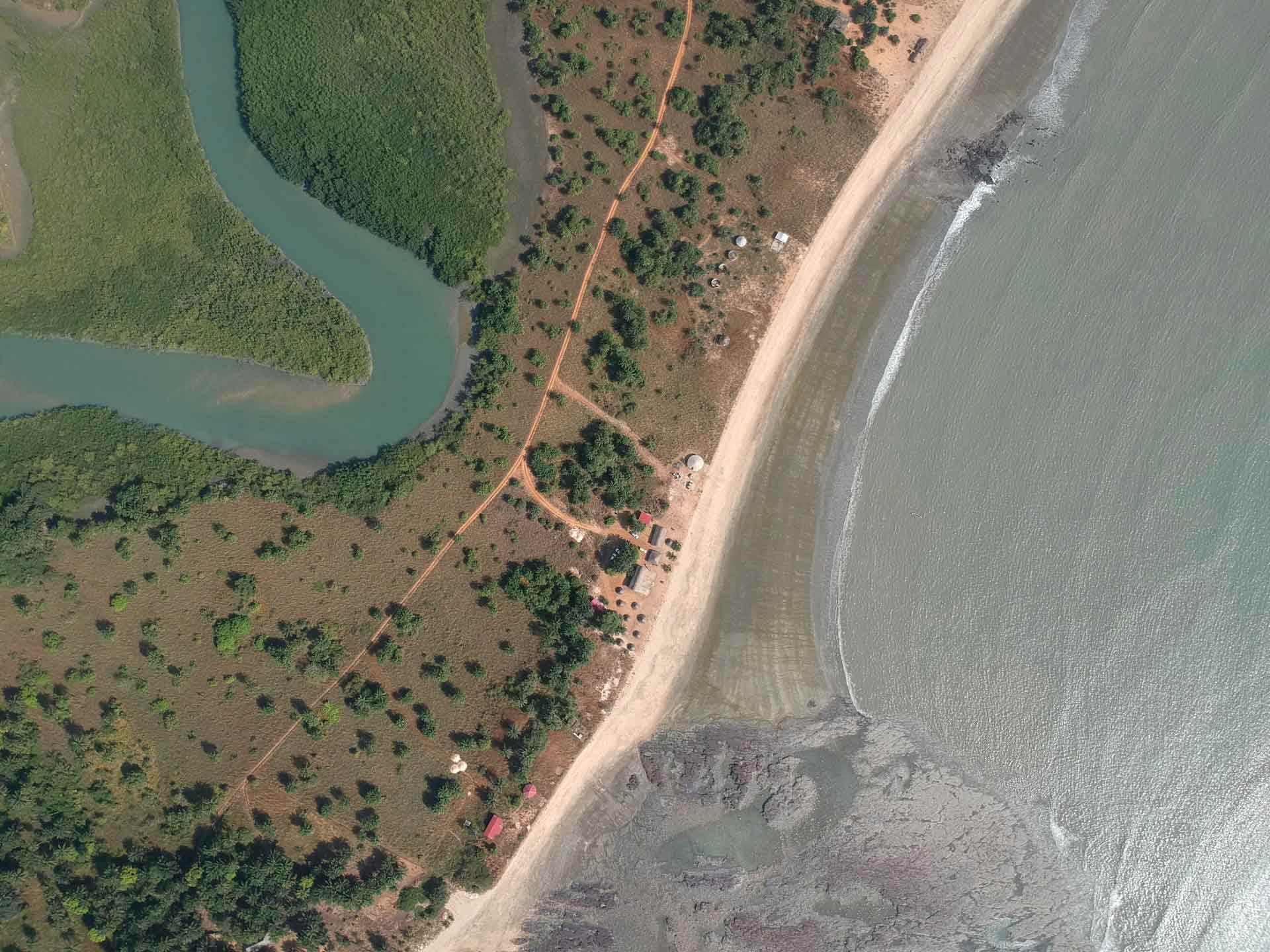
A full day is devoted to exploring Fouta Djallon, where mountains blend with savannah, deep valleys, and towering waterfalls framed by forests create landscapes of pristine beauty. This region is home to the Peul (also called Fulla or Fulani), renowned for their striking appearance and exceptional zebu herding skills. In the 17th century, the Peul launched a Jihad from these mountains, eventually conquering much of the savannah as far as Cameroon; today, they remain the largest ethnic group across the sub-Saharan savannahs.
We begin the day with a 90-minute forest walk to discover the Ditin Waterfall. Falling from a height of 100 meters (328 ft), it is the tallest waterfall in the region.
Later, we visit a large round clay hut crowned with an ornate grass roof. This is the historic site where the main council meets and where traditional chiefs from across the Fouta Djalon are officially appointed. Thanks to our local connections, we will request a formal reception with the dignitaries and chiefs who sit on the council to learn about their enduring traditional authority.
In the evening, we reach Labe, often called the “capital” of Fouta Djallon. Dinner and overnight are at Hotel Tata, offering simple but clean self-contained air-conditioned bungalows.
Overnight: Hotel Tata, Labe (1 night) (B, L, D)
A very early departure takes us on a full day’s drive through a region of wild, open spaces, dramatic mountains blanketed with wooded savannah, tropical dry forests, and remote Peul (Fulla) settlements. At a secluded border, we cross into Guinea-Bissau. In the evening, we arrive in Gabu. Dinner and overnight are at Hotel Karsa, featuring air-conditioned self-contained rooms.
Overnight: Hotel Karsa, Gabu (1 night) (B, L, D)
Morning departure takes us off the main road to a small village in the Malinké region. The Malinké, descendants of the ancient Mali Empire, are spread across Mali, Guinea Conakry, Ivory Coast, Senegal, and Guinea-Bissau. We visit a village renowned for griot families—musician-narrators whose traditions date back to the 13th-century Mali Empire. Skilled in crafting musical instruments, they will perform a concert for us. After lunch, we explore Bafata to admire its Portuguese colonial architecture, then continue to Bissau, the country’s capital. Overnight stay is at Dunia Hotel, four stars, international standard.
Overnight: Dunia Hotel (4-star), Bissau (1 night) (B, L, D)
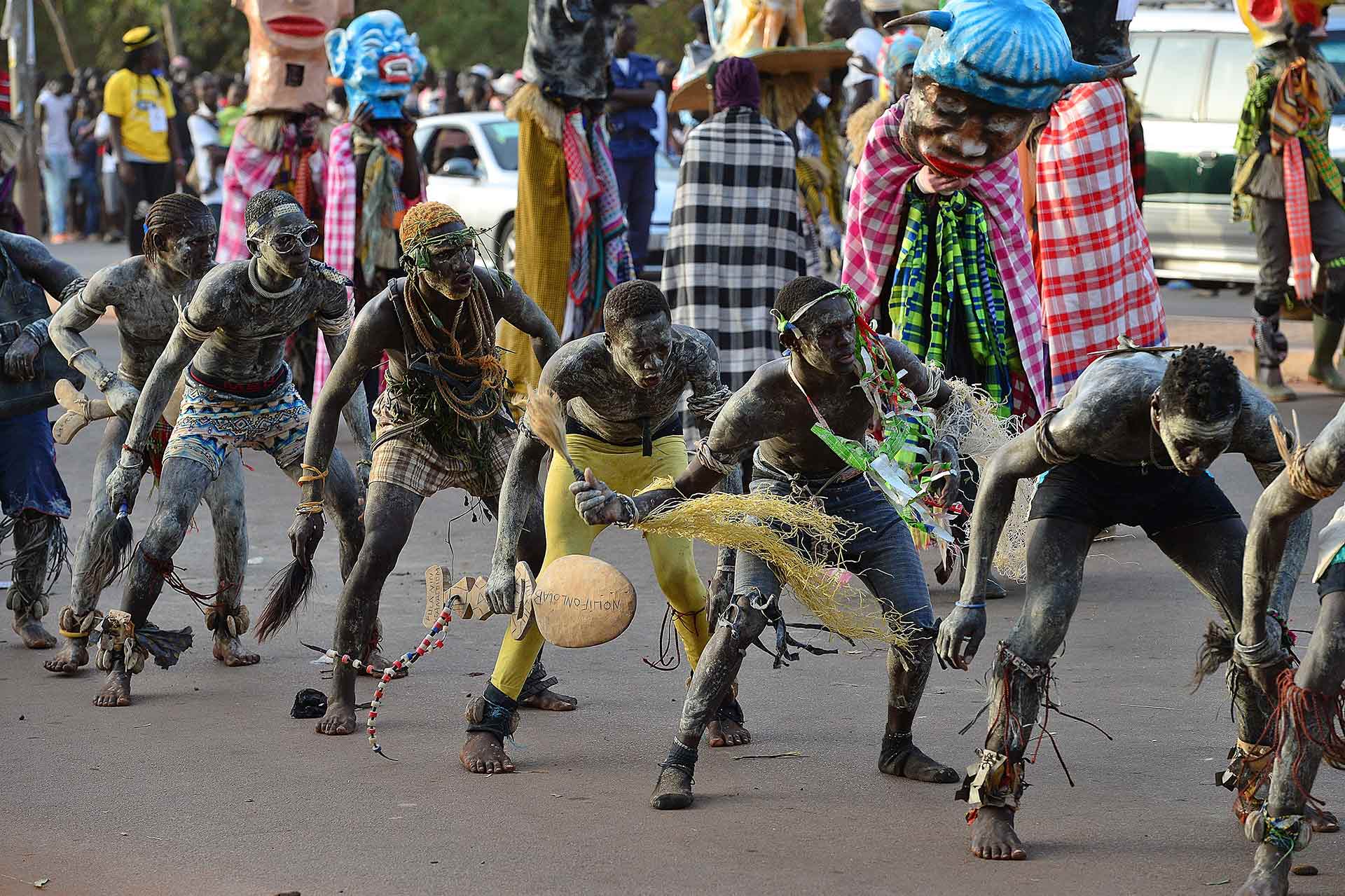
We embark on a three-day spectacular speedboat journey to explore the Bijagos Archipelago, its unique nature, and isolated communities. Comprising 88 islands and islets, the Archipelago lies about 40 miles off the coast and is a true “geographical jewel” for both its natural and cultural richness. We visit Bolama, the former capital of Portuguese Guinea from 1871 to 1941, now partly reclaimed by tropical vegetation. Built on the model of a «Castrum Romanum» (Roman citadel), Bolama features wide straight avenues, empty sunny squares, dry fountains, and fading Neo-Palladian buildings, while goats graze peacefully near the former governor’s palace, giving the town a fairy-tale ghost-town atmosphere. Dinner and overnight are at Ponta Anchaca, an international standard 4-star resort, with comfortable air-conditioned wooden bungalows hidden in the vegetation and facing the ocean. The resort’s restaurant on stilts serves refined French and tropical cuisine, and it will be our base for two nights.
Overnight: Ponta Anchaca (4-star), Bolama (2 nights) (B, L, D)
In the afternoon, we take a short boat ride to Bubaque Island, the tiny “capital” of the Bijagos Archipelago, home to a small but colorful market. The islands’ remoteness, limited transport, and the locals’ strong attachment to tradition mean the Bijagos tribes have remained largely untouched by the outside world. Village life is guided by initiation rites and secret ceremonies, including a seven-year rite where young men live apart from women in a “convent.” Life here still follows the natural “cycle of seasons,” with the main ceremonies taking place after the harvest during the long dry season. The most spectacular mask is Vaca Bruto (wild bull), portrayed with frosted glass eyes, real horns, leather ears, and a rope through the nostril, representing a young man at the height of his physical strength but not yet fully initiated; the entire village gathers to witness this captivating ceremony. We return to our comfortable Ponta Anchaca Resort, 4-star air-conditioned wooden bungalows hidden in the vegetation and facing the ocean. (B, L, D)
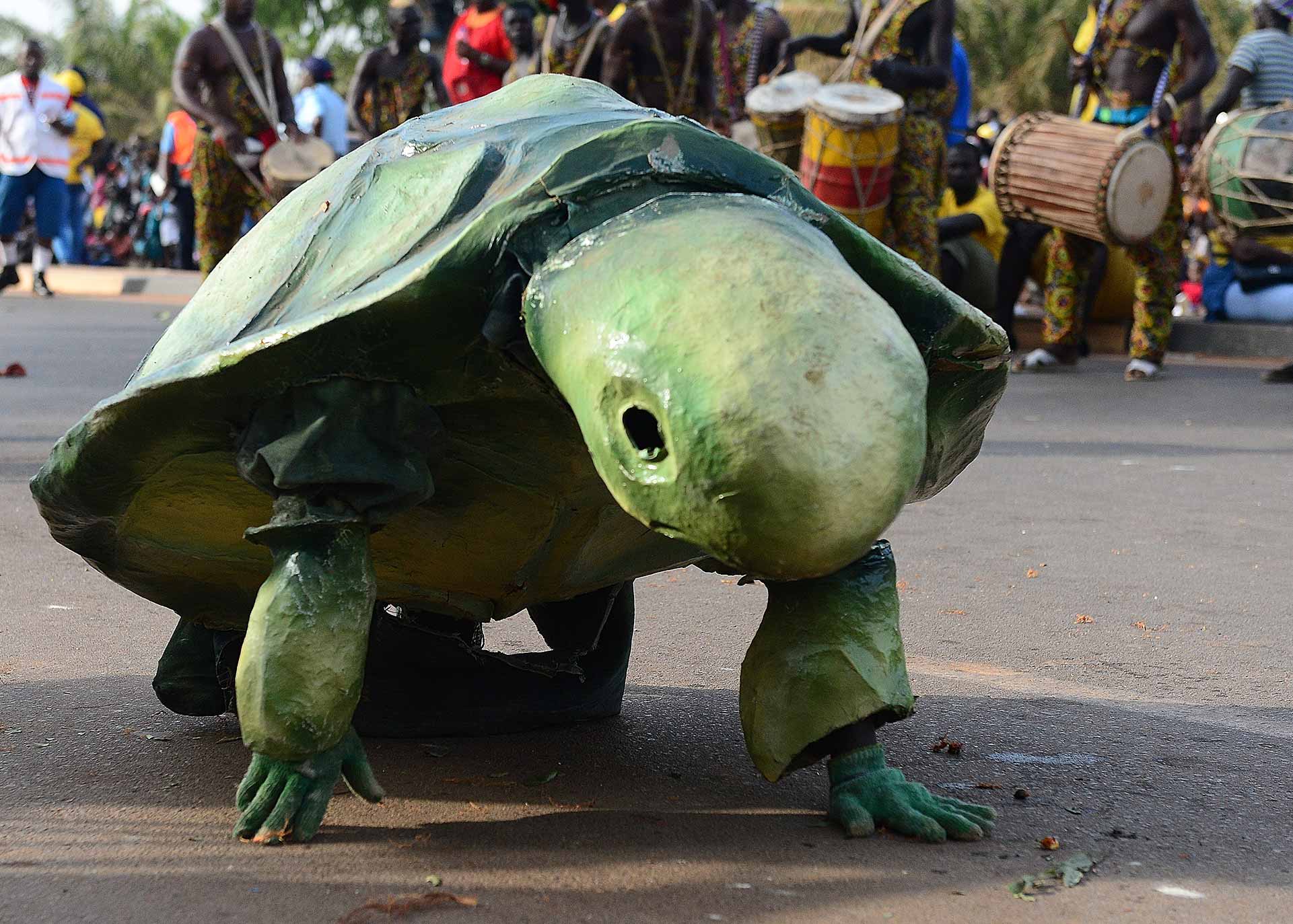
Morning at leisure to relax on the wild beaches of Ponta Anchaca or by the swimming pool. On request (not included), an early morning excursion to Orango Island offers the chance to see a small population of hippos that have adapted to life on the islands. Usually found in freshwater swamps, these hippos occasionally swim in the ocean; a local guide will lead the visit, though sightings are not guaranteed. In the afternoon, we navigate back to Bissau, where a vehicle awaits for a brief city tour. Bissau is a small yet intriguing capital, with charming old Portuguese architecture and a massive fort, a reminder of the region’s slave trade history. Dinner and overnight stay at the Azalai-Dunia Hotel, four stars, international standard, or similar.
Overnight: Azalai-Dunia Hotel (4-star), Bissau (1 night) (B, L, D)
We travel north through a unique ecosystem where Bolons—long sea arms—penetrate inland for over a hundred miles, creating a vast area that floods temporarily. The boundaries between salt water, land, and fresh water shift with the tides: during high tide, 23% of Guinea Bissau is submerged, re-emerging as the water recedes. Crossing into Senegal, we reach Ziguinchor, the capital of the Casamance region, a charming town with striking French colonial architecture and a bustling market. Dinner and overnight stay at the Kadiandoumange Hotel, our base for two nights.
Set in traditional colonial-style buildings with gardens overlooking the Casamance River, the hotel offers air-conditioned self-contained rooms blending modern comfort with stylish African furniture, and a gastronomic restaurant on a terrace above the river—or similar.
Overnight: Kadiadoumange Hotel, Ziguinchor (2 nights) (B, L, D)
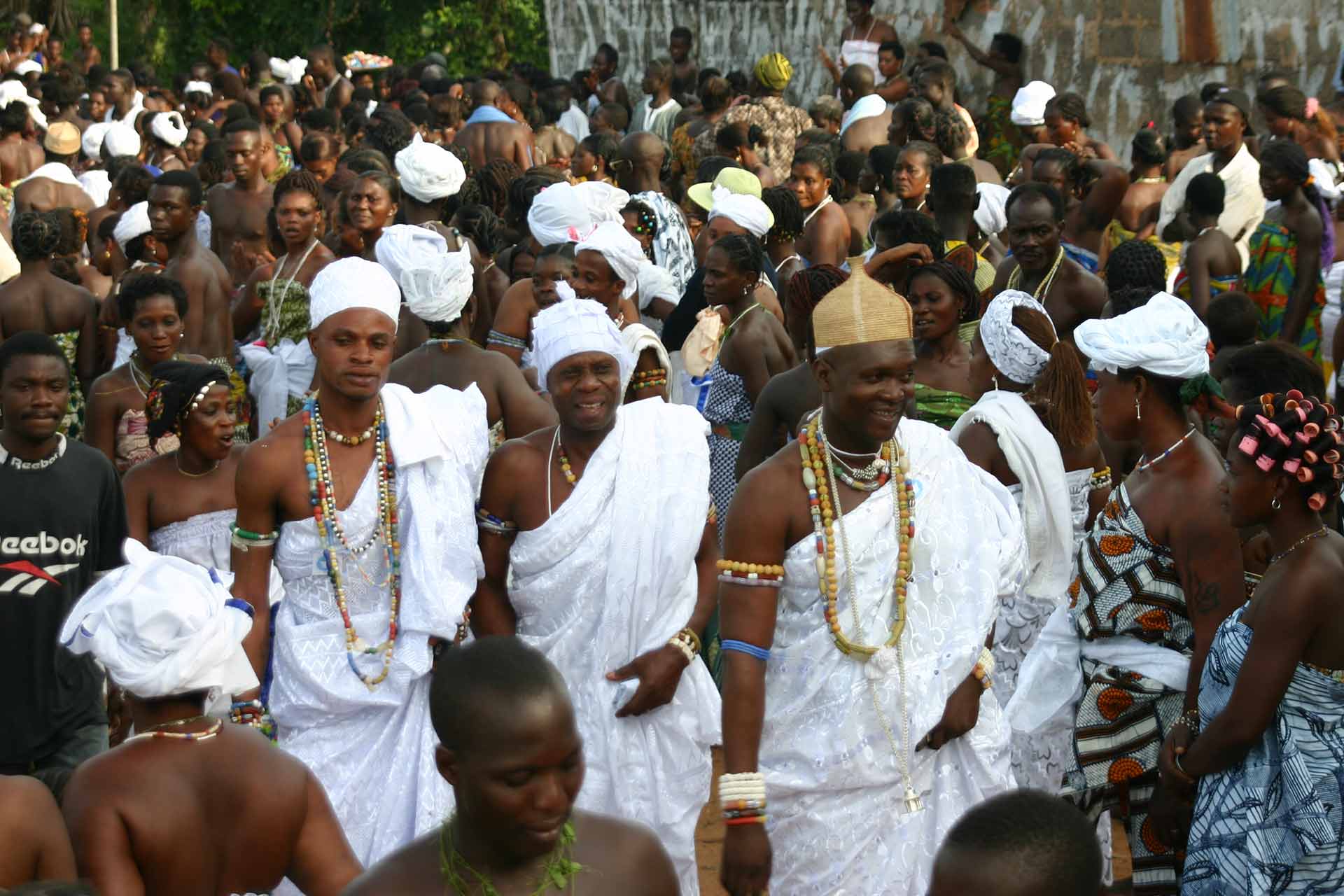
We drive through a spectacular landscape of lagoons, mangroves, and tiny islands formed by the Casamance River estuary. In a remote village, we are received by the Monarch of one of the oldest Diola (Jula) Kingdoms. In ancient African tradition, the King is also the High Priest, holding both political and mystical authority. After the traditional offering of libations at the edge of the sacred forest, His Majesty will answer our questions about the history of his people, the rules of a traditional chief, and the complex taboos and mystical responsibilities of kingship in Diola culture. In the afternoon, we join the ritual dances of the sacred Diola masks, performed by a secret society whose dancers’ identities remain hidden; the masks are believed to be animated by spirits. Drums, dances, and a vibrant crowd bring the small village to life beneath the shade of towering kapok trees. Return to our base in Ziguinchor at the Kadiandoumange Hotel, with traditional colonial-style buildings and gardens overlooking the Casamance River. The hotel offers air-conditioned, self-contained rooms combining modern comfort with stylish African furnishings, and a gastronomic restaurant on a terrace above the river—or similar. (B, L, D)
We cross the Gambian border and arrive in Banjul, the capital of the country, for a visit to the ethnographic museum. In the afternoon, we enjoy a brief but intense bird-watching session, guided by an expert through the region’s diverse natural environments. Gambia is renowned as a birding destination, offering a fascinating variety of species. Dinner and overnight stay at the Kairaba Beach Hotel, or similar.
Overnight: Kairaba Beach Hotel, Banjul (1 night) (B, L, D)
Arrival on this day in Dakar if taking Part 3 alone.
We take a colourful, very local ferry crossing of the wide Gambia River estuary to reach the north bank. The region between the north bank of the river and Senegal was once home to one of the world’s largest megalithic civilizations. Just after crossing into Senegal, we leave the main road for a small track to reach Sine Ngayene, the richest megalithic site on the planet, featuring 1,102 erected stones. Dinner and overnight stay at the comfortable air-conditioned bungalows of Kabacoto Safari Lodge or Relais de Kaolak, with swimming pool, overlooking the lake and lagoons, or similar.
Overnight: Kabacoto Safari Lodge/Relais de Kaolak, Sine Ngayene (1 night) (B, L, D)
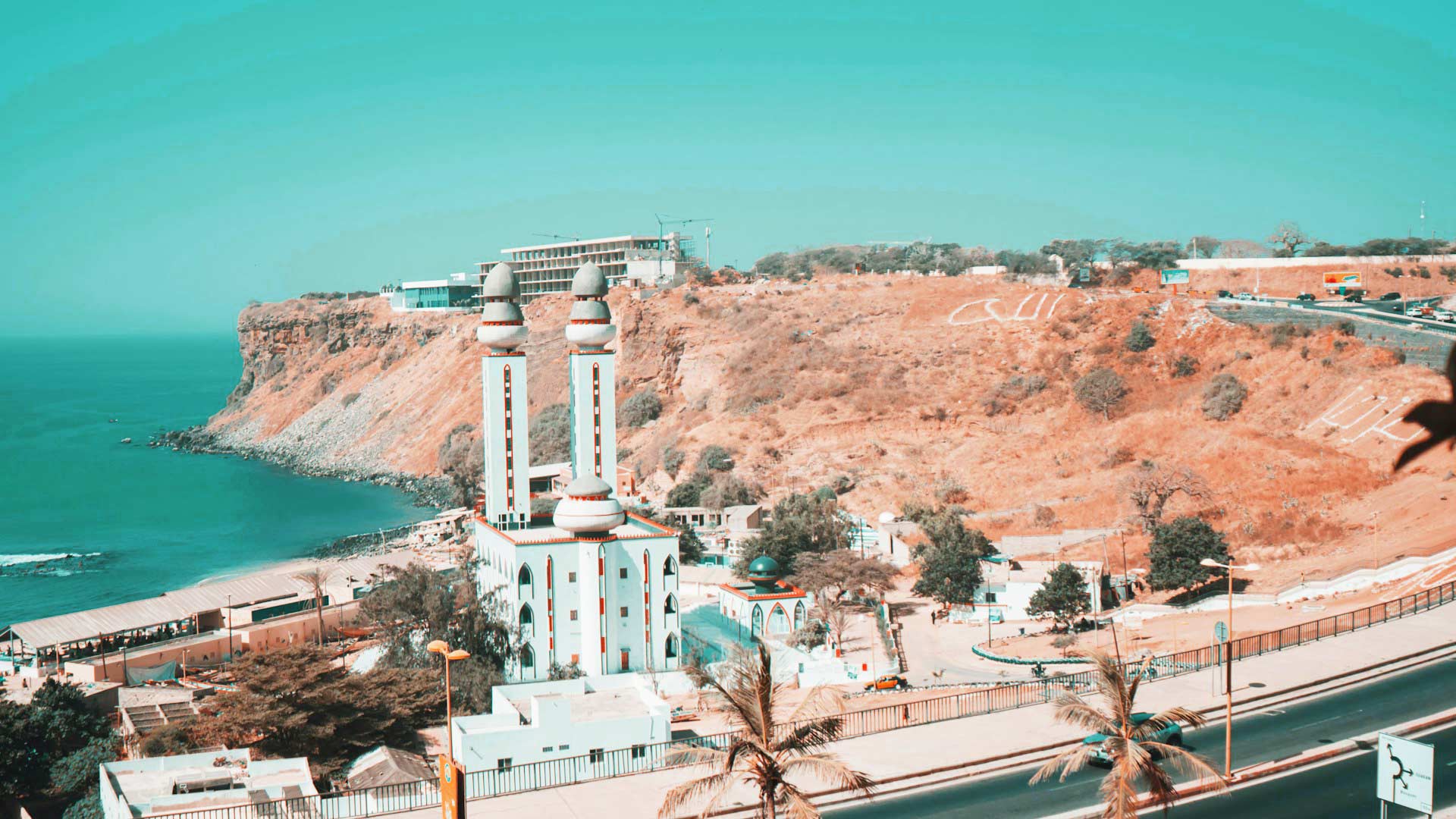
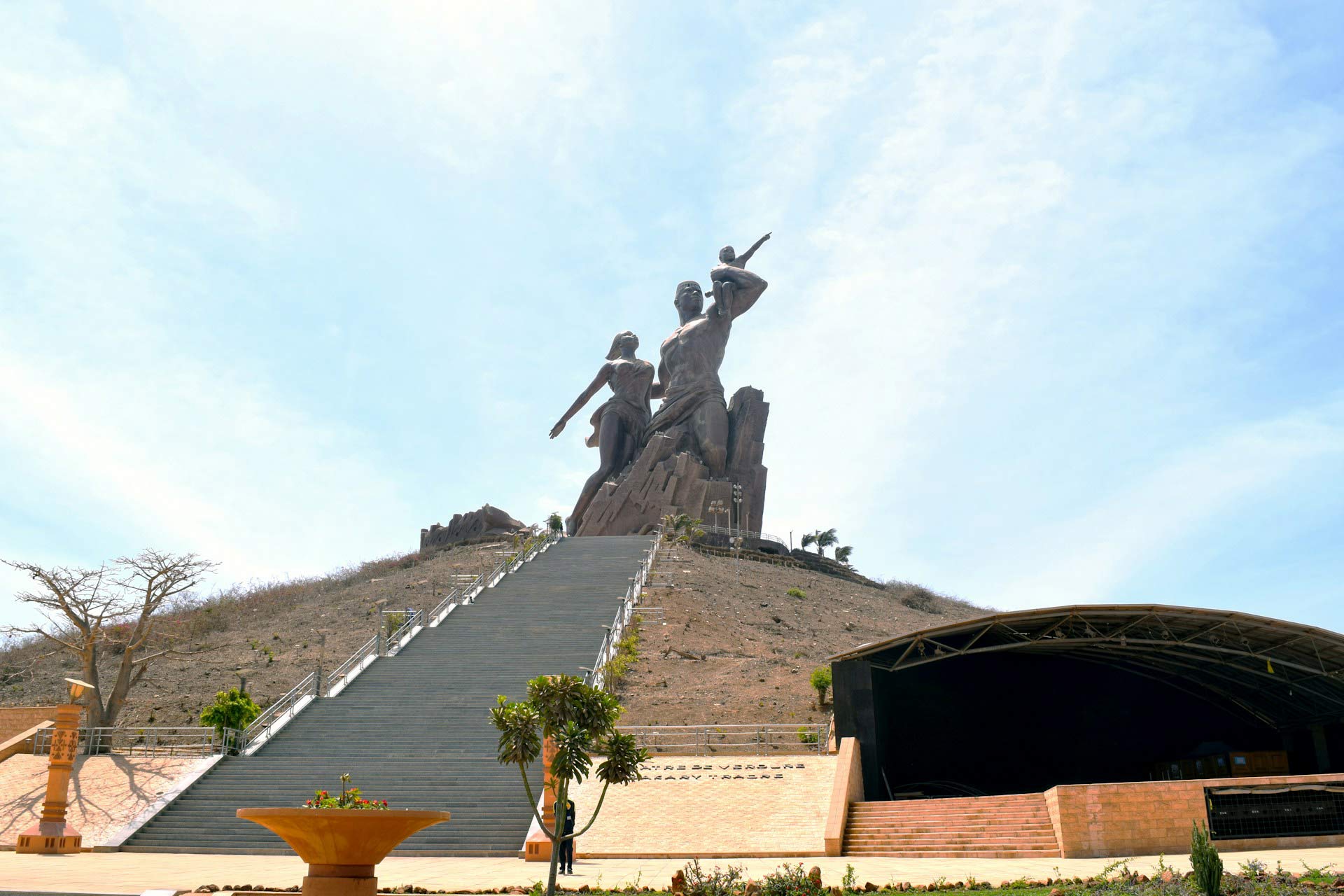
Arrival in Dakar for lunch at a fishing port restaurant, specializing in the catch of the day (other meals available on request). A ferry will take us to Gorée Island, just opposite Dakar. Gorée was once crowded with slaves awaiting shipment to the Americas. Fully restored, it stands today as a poignant reminder of those times. Its breezy climate, rich history, and historic architecture, combined with restaurants and boutiques, make Gorée a fascinating and stylish destination for both locals and visitors. The best time to experience the island’s atmosphere is at sunset, when day-trippers and tourists have left. Dinner at a typical restaurant and overnight stay at Maison Municipale, a guesthouse in a restored historic building with air-conditioned, self-contained large rooms, or similar.
Overnight: Maison Municipale, Goree Island (1 night) (B, L, D)
Ferry to Dakar, the capital, which became a key centre of political, artistic, and intellectual renewal during the independence era and remains the liveliest metropolis in French-speaking West Africa. Visit the Musée des Civilisations Noires, featuring impressive collections of tribal art, textiles, and works by contemporary local artists. Explore the Plateau district, including the Presidential Palace, a typical market, and the fully restored Dakar-Bamako railway station, a fine example of colonial architecture.
Part 2 ends here in Dakar with transfer to the airport.
Drive to Lac Retba, a saltwater lake framed by dunes. The water is saltier than the ocean, allowing for a unique floating experience. Dinner and overnight stay at the recently renovated Trarza Hotel, comfortable and overlooking the lake, with air-conditioned, self-contained rooms.
Overnight: Trarza Hotel, Lac Retba (1 night) (B, L, D)
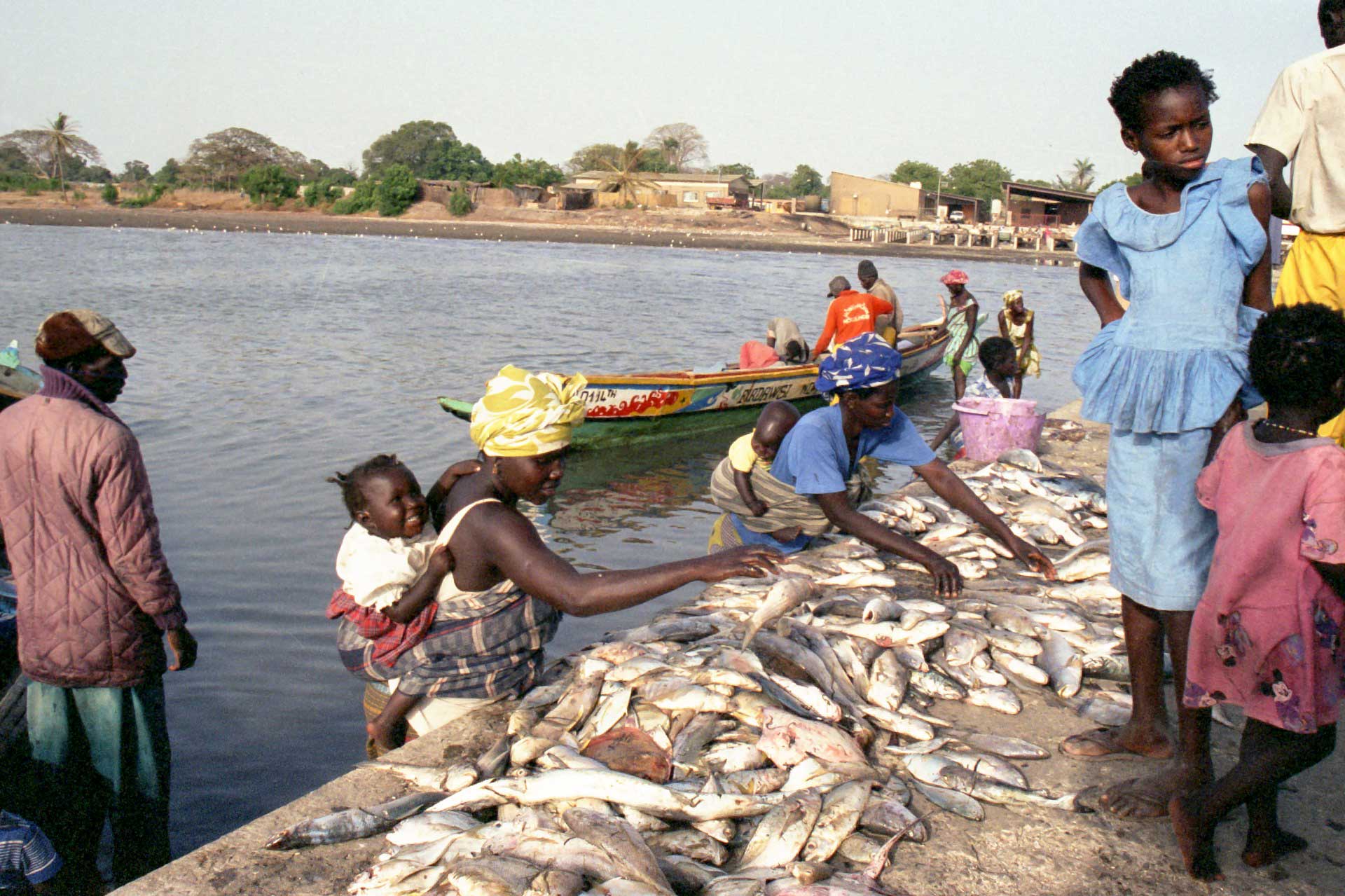
Kayar, the largest fishing village in Senegal, welcomes more than 4,500 painted wooden pirogues returning to shore with the day’s catch. On the beach, local market women purchase the fish directly from the fishermen. We will also meet the artisans carving the large pirogues, the painters decorating them with vibrant colours, and, if fortune allows, the “local saint” for a final blessing before sailing.
If available, we will be received by the Marabout in his spacious house, where he will introduce us to ancient geomantic and cabalistic divination techniques.
Drive to Saint Louis for a late lunch to enjoy Senegalese cuisine, renowned as the best in West Africa. Evening arrival at our base for two nights, the Hotel de la Poste. Built in 1850 as a base for Aeropostale pilots, this historic hotel has been fully restored while preserving the town’s colonial charm. Dinner will be served in its charming open-air restaurant overlooking the calm Senegal River.
Overnight: Hotel de la Poste, Saint Louis (2 nights) (B, L, D)
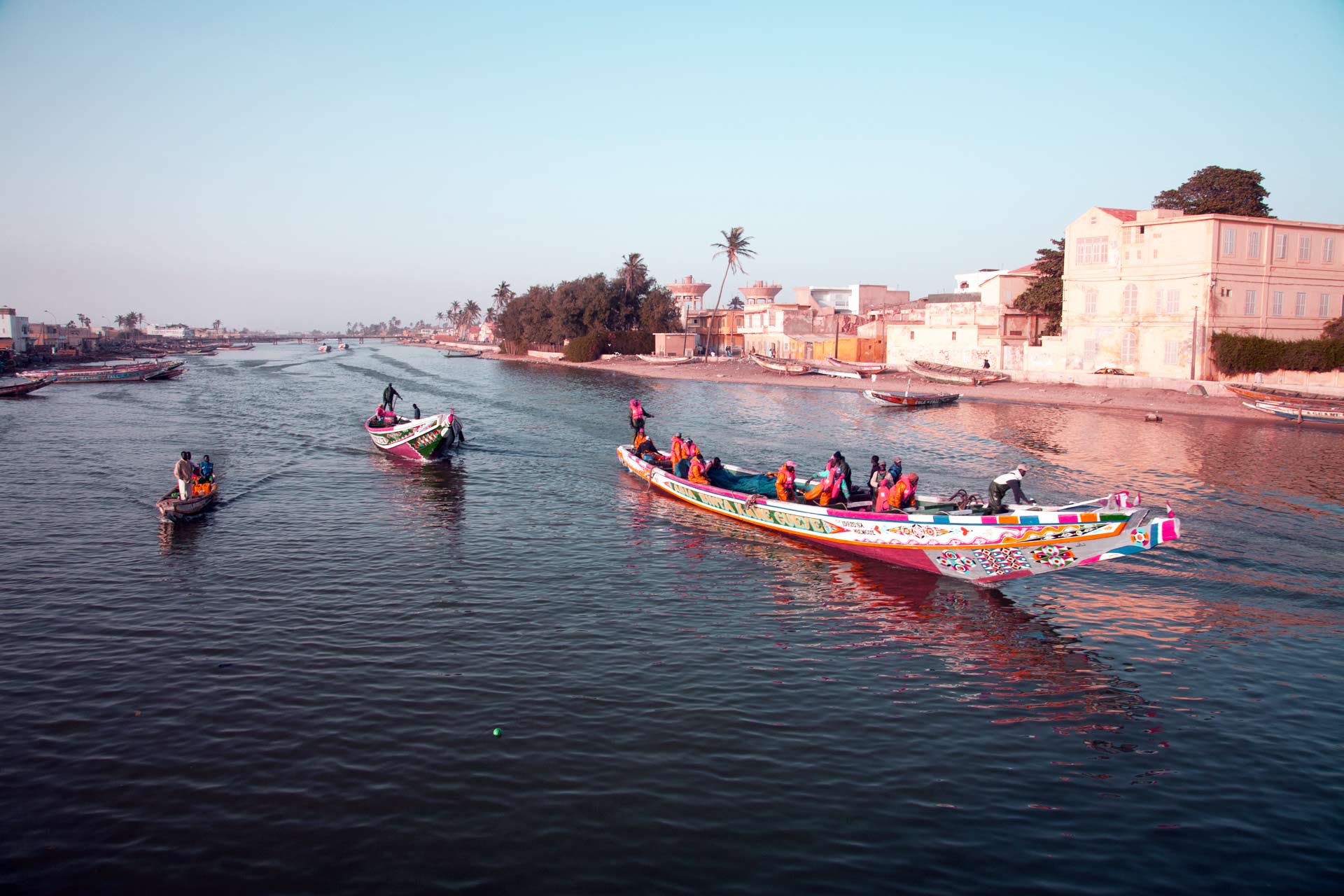
Full day dedicated to Saint Louis, a charming historic citadel and the first capital of the French colonies in West Africa. The old town, built on two long islands between the Senegal River and the ocean, enjoys a refreshing breeze. One island served as the administrative colonial capital of French West Africa until 1902, when the administration moved to Dakar. Old French and Portuguese buildings, restaurants, bars, and art galleries give this small island town a unique charm. The photography museum is especially interesting, highlighting the achievements of some of Sub-Saharan West Africa’s great photographers.
The second island, closer to the ocean, is home to a large local fishing community. The best way to explore the narrow streets of Saint Louis is by calash (horse-drawn buggy), just as the locals do.
Dinner and overnight return to our base at Hotel de la Poste, a historic hotel built in 1850 as the base for Aeropostale pilots. Fully restored, it retains the finest colonial atmosphere and offers a charming restaurant overlooking the Senegal River. (B, L, D)
Early morning departure to Djoudj National Park, a remarkable environment stretching across hundreds of miles of partially flooded land between the Sahara and the arid Sahel. This “humid paradise” provides the ideal habitat and nesting grounds for over a million migratory and resident birds. Djoudj National Park is one of the world’s three major migratory bird sanctuaries and a UNESCO World Heritage Site. Its protected wetlands host more than 400 species of migratory birds that temporarily inhabit this unique environment. We will take a boat excursion to explore an island teeming with pelicans.
The journey continues to the Mauritanian border, where the landscape transforms dramatically from flooded plains to dry savannah and finally to the Sahara with its sweeping dunes. Evening arrival in Nouakchott, the capital of Mauritania, a modern city surrounded by the desert. Dinner and overnight at the four-star Azalai Hotel, featuring comfortable air-conditioned rooms with private facilities, international standards.
Overnight: Azalai Hotel (4-star), Nouakchott (1 night) (B, L, D)
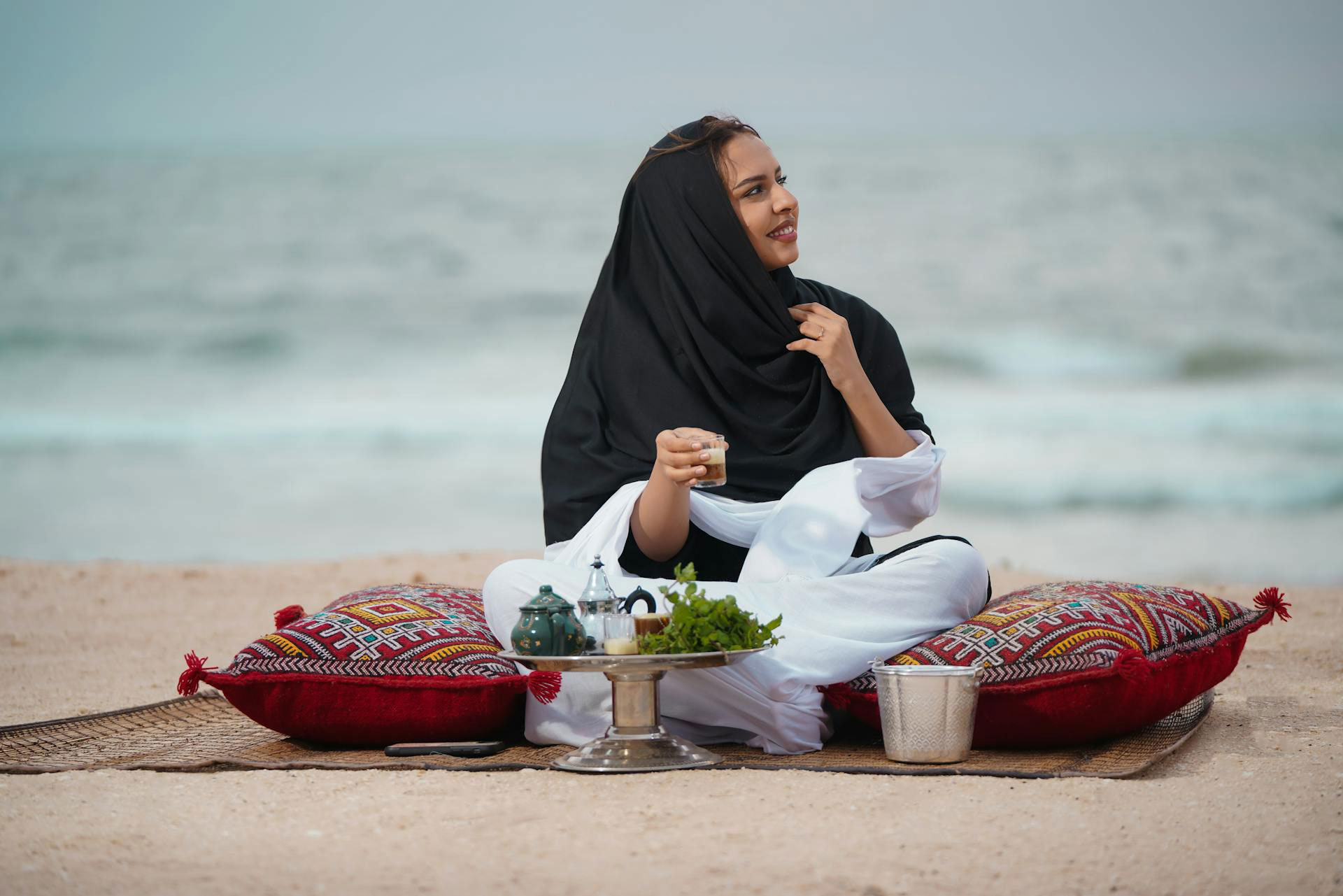
From the desert to the ocean, from Black Africa to the Sahara.
As a summary of Mauritanian history and culture, we visit the National Museum, showcasing archaeology, artifacts, costumes, and textiles from prehistory to the present. Unique photographs from the excavations of Aoudaghost, the northern trading town and best-preserved site of the legendary Ghana Empire, are on display. The Ghana Empire, dating from the 6th century, was the oldest known empire and kingdom in Black Africa. At that time, caravans transporting gold to North Africa departed from Aoudaghost, passing through Ouadane and Assa, which we will explore during our Sahara crossing.
Lunch will be served in a restaurant run by Ivorian women, offering their specialities. In the afternoon, we drive north along a spectacular dune-strewn road into the Sahara Desert, arriving at the mining town of Akjoujt. Dinner and overnight stay at Hotel du Sahara, a modern hotel with fully air-conditioned, self-contained rooms.
Overnight: Hotel du Sahara, Akjoujt (1 night) (B, L, D)
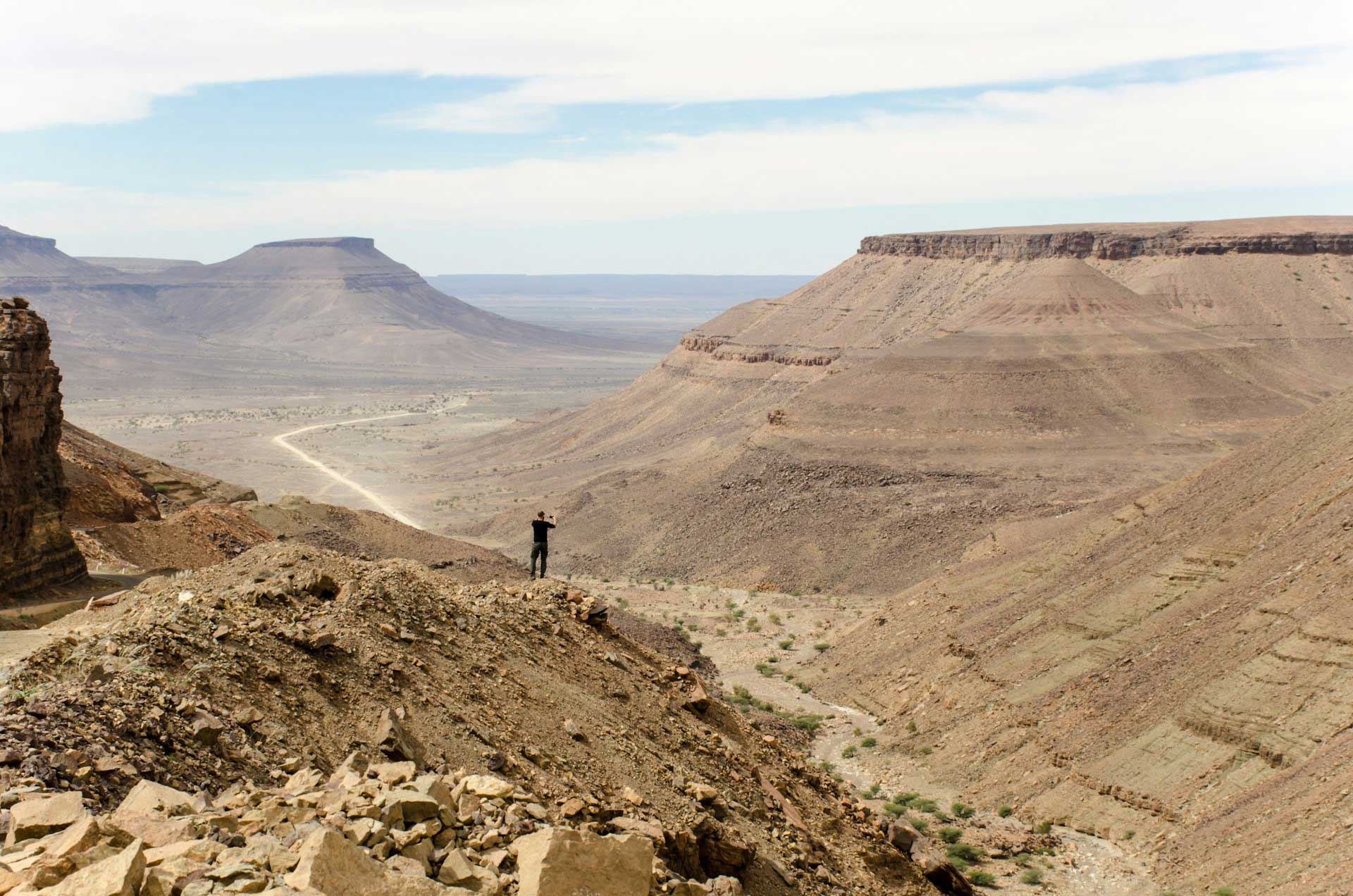
Early departure for a full day exploring one of Mauritania’s most scenic landscapes: valleys, high mountains, yellow sand dunes, and peaks of dark brown and red rocks hiding adobe villages.
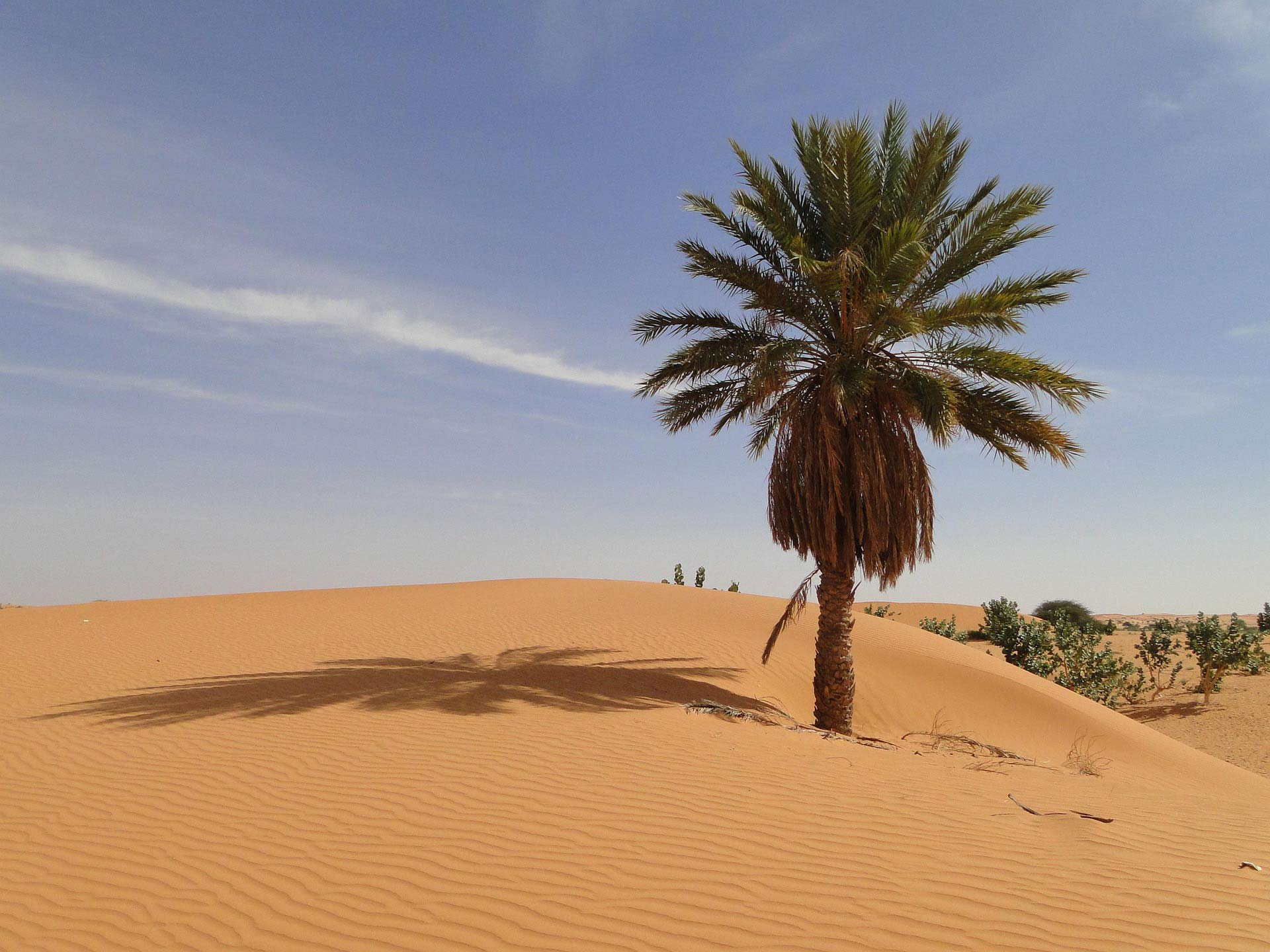
Off the main tracks, we cross Erg Amatlich, a vast dune basin nestled among the Adrar mountains. This region combines endless dunes with a remarkable variety of Saharan landscapes, including canyons, small cultivable oases, and palm groves.
We will discover prehistoric stone arrowheads and earthenware shards, silent witnesses to the people who lived here long ago, when this region was green and crossed by large rivers. Joyful voices and the cries of women and children will welcome us to remote nomadic camps and hidden adobe villages, offering intense human encounters amid the vast silence of the Sahara.
The Tifoujar Pass overlooks a vast, steep gorge, a remnant of an ancient river that ends in the Oued el Abiod, or White Valley. The dark brown mountains contrast vividly with the deep yellow dunes filling the valleys as far as the eye can see.
Evening arrival in Chinguetti, which will be our base for three days exploring one of the most fascinating regions of the Sahara, surrounded by untouched dunes and ancient oases.
Dinner and overnight stay at La Gueila, a cozy guest house built in traditional Mauritanian style (or a private comfortable residence). Air-conditioned rooms, hot water, central sanitary block and Wi-Fi are available. The fine restaurant serves local specialities with a French touch.
Overnight: La Gueila, Chinguetti (3 nights) (B, L, D)
The stone citadel of Chinguetti, dating back to the 13th century, was a key crossing point for several trans-Saharan routes linking the Mediterranean coast to Black Africa. The old stone town, its architecture, the ancient manuscript collections from the Middle Ages, and the oasis with their “green miracles” of palm trees and gardens amid the vast Sahara are the highlights of Chinguetti. Large chains of yellow dunes form the town’s western boundary, as it resists being swallowed by the sand.
The main mosque and stone minaret are remarkable: Chinguetti Mosque is the second oldest still operating in the Muslim world.
We will spend the day immersed in the magical atmosphere of this desert citadel, considered the jewel of Mauritanian oases, exploring two ancient manuscript collections, including Ould Habott, the largest in Mauritania. Evening return to our cozy guest house. (B, L, D)
We will journey to Ouadane on an “off the beaten track” itinerary, following the Ouadi (dry creek) and discovering remote tiny oases hidden among the high dunes. Ouadane is the most isolated oasis in Mauritania, an outpost in the emptiest part of the Sahara. Founded in 1147, much of the town is in ruins, yet some stone houses perched on a rocky hill amid the vast desert remain inhabited.
In ancient times, Ouadane was an important caravan trading point between the Maghreb and Black Africa. Trade was so flourishing that in 1487 the Portuguese built a fortified trading post in the region. The stone architecture of Chinguetti and Ouadane will echo throughout our Sahara crossing, reappearing a thousand miles north at the next major caravan terminal on the way to Marrakech.
After this fascinating day, we return to our cozy guest house in Chinguetti. Dinner and overnight stay at La Gueila (or private residence). (B, L, D)
The landscape never ceases to amaze. Leaving the main track, we reach a region of spectacular mountains, gorges, and canyons, with infinite space dominated by the ochre earth and deep blue sky. On the horizon, the ruins of Fort Saganne appear, built for the film of the same name.
We explore the Agrour site atop the Amogjar Pass, where cave paintings depict bovids, hunters, and herders. Later, we arrive at Terjit, one of the most lush and distinctive oases in Mauritania. Walking through a dense palm grove protected by a gorge and following a tiny stream, we discover a vast rock shelter with flowing spring water—an unexpected oasis disconnected from time and the harsh desert around it.
Drive along roads and tracks to reach the main route toward Nouadhibou. Dinner and overnight at Hotel du Sahara (or similar), a new hotel with air-conditioned, self-contained rooms.
Overnight: Hotel Du Sahara, Akjoujt (1 night) (B, L, D)
Continue the drive to Nouadhibou, a modern coastal town on the Gulf du Lévrier, known for its international fishing harbor and the terminal of the world’s longest iron-transport railway. Explore the town at leisure and enjoy its coastal atmosphere.
Overnight stay at El Medina Hotel, comfortable international standard, air-conditioned rooms.
Overnight: El Medina Hotel, Nouadhibou (1 night) (B, L, D)
We drive north and, after completing formalities, we cross a few miles of “no-man’s land,” where the border is merely a theoretical line in the desert dividing sand from sand. On the other side lies the Moroccan military post, a highly sensitive location and the only open border between Black Africa and the Maghreb. This region, formerly part of Spanish Sahara, was once the site of a long conflict between the Polisario Armed Front and the Moroccan army. Today, it is fully part of Morocco.
A signboard in the vast desert marks the Tropic of Cancer. The final stretch of the journey follows a spectacular cliff where the dunes meet the ocean waves.
We arrive in Dakhla, which will be our base for two nights. We stay overnight at the Buena Vista Hotel, an international 4-star property, ocean-facing, with air-conditioned rooms and private facilities, or a similar hotel.
Overnight: Buena Vista (4-star), Dakhla (2 nights) (B, L, D)
The Rio de Oro, or River of Gold, is a 25-mile-long sea loch nestled between cliffs and dunes. The scenery is painted with different colours: the intense blue of the ocean, banks of white sand, green seaweed fields, and yellow dunes. The exceptional beauty of this landscape makes the Dakhla peninsula a truly special place.
The small town of Dakhla was founded by Spanish navigators in 1502 and was called Villa Cisneros until recent times. We take an excursion to the colourful fishing harbour. Along the shore, we observe a unique and ever-changing shoreline between ocean and desert, where dunes and waves meet. At high tide, sand dunes and a rocky hill become temporary islands.
Our preferred restaurant is located in an oyster farm, where we enjoy fish, oysters, and other shellfish freshly taken from the ocean, along with grilled vegetables and more. Vegetarian meals are available on request.
We return overnight to our 4-star, international standard hotel, the Buena Vista, facing the ocean, with air-conditioned rooms and private facilities. (B, L, D)
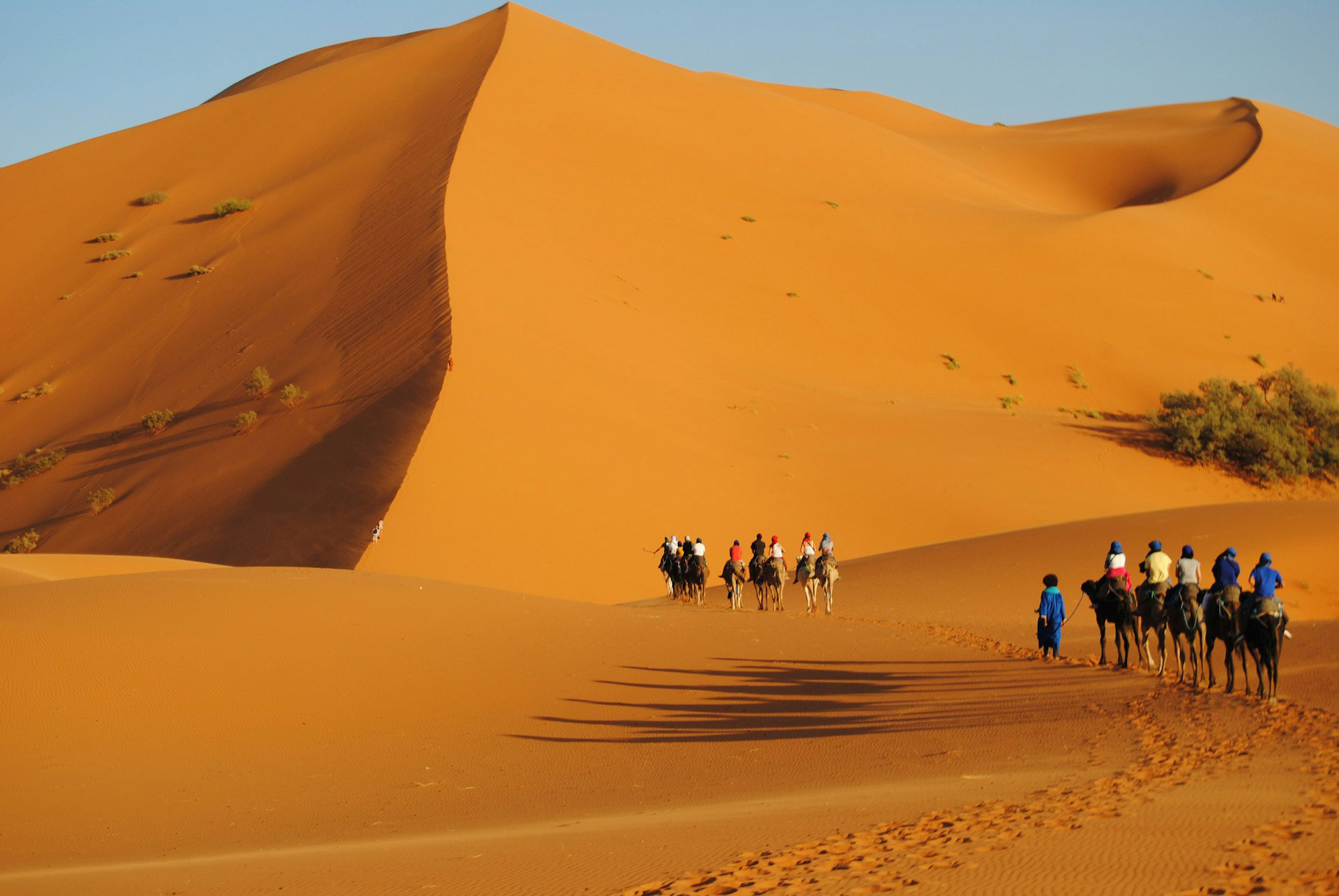
We meet our local guide, a nomad from a Sahrawi tribe, who will lead us for three days through a true desert crossing in the Western Sahara, now the Sahara Province of Morocco.
Since the second half of the seventies, due to the long “sand war,” this region has been off-limits to travellers. Until today, no peace treaty has been signed, but a cease-fire is respected. This is a region for intrepid travellers to discover.
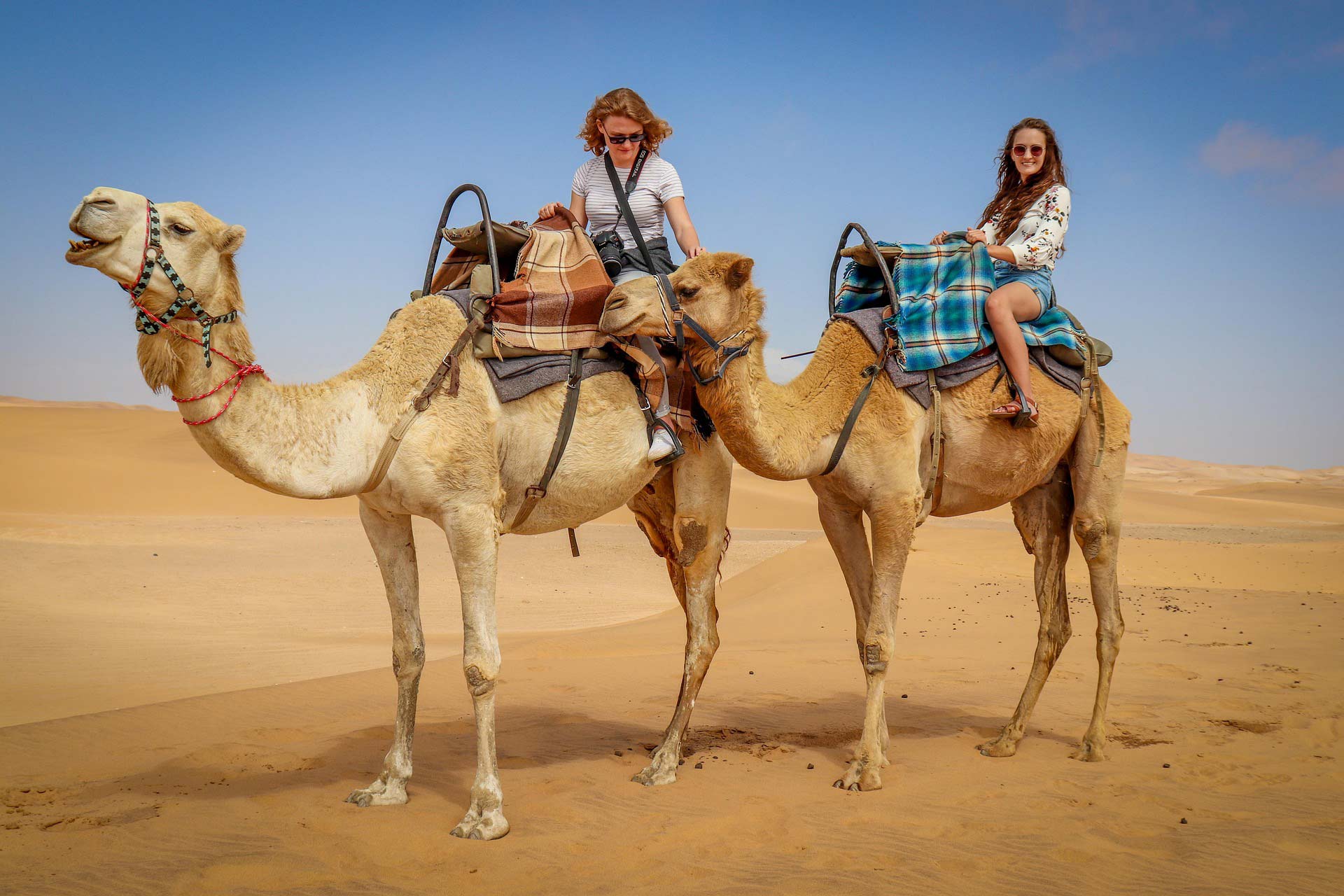
During this extreme Saharan expedition, we cross large dunes and leave the tracks to discover wells frequented by long lines of camels belonging to the legendary Reguibat nomads.
On days 47 and 48, we camp on the virgin sand of the Sahara. Comfortable large tents include mattresses, carpets, and chairs. Dinner is served at the table under the stars, featuring local specialities and a choice of red wine, white wine, beers, and sodas.
Overnight: Sahara Camp (2 night) (B, L, D) (B, L, D)
After crossing the world’s longest automated conveyor belt, which transports phosphate to the Atlantic, we arrive in Laayoune, the main base of Morocco’s economic development in the Sahara provinces.
In the late afternoon, we reach Tarfaya on Cape Juby, opposite the Canary Islands, which are less than 100 kilometers away. Tarfaya was a former base of Aeropostale, a pioneer of air mail transport from Europe to Africa and Latin America. We visit the interesting museum dedicated to Aeropostale and Saint Exupéry, the writer-pilot.
Overnight stay at Hotel Casamar, with air-conditioned rooms and private facilities.
Overnight: Hotel Casamar, Tarfaya (1 night) (B, L, D)
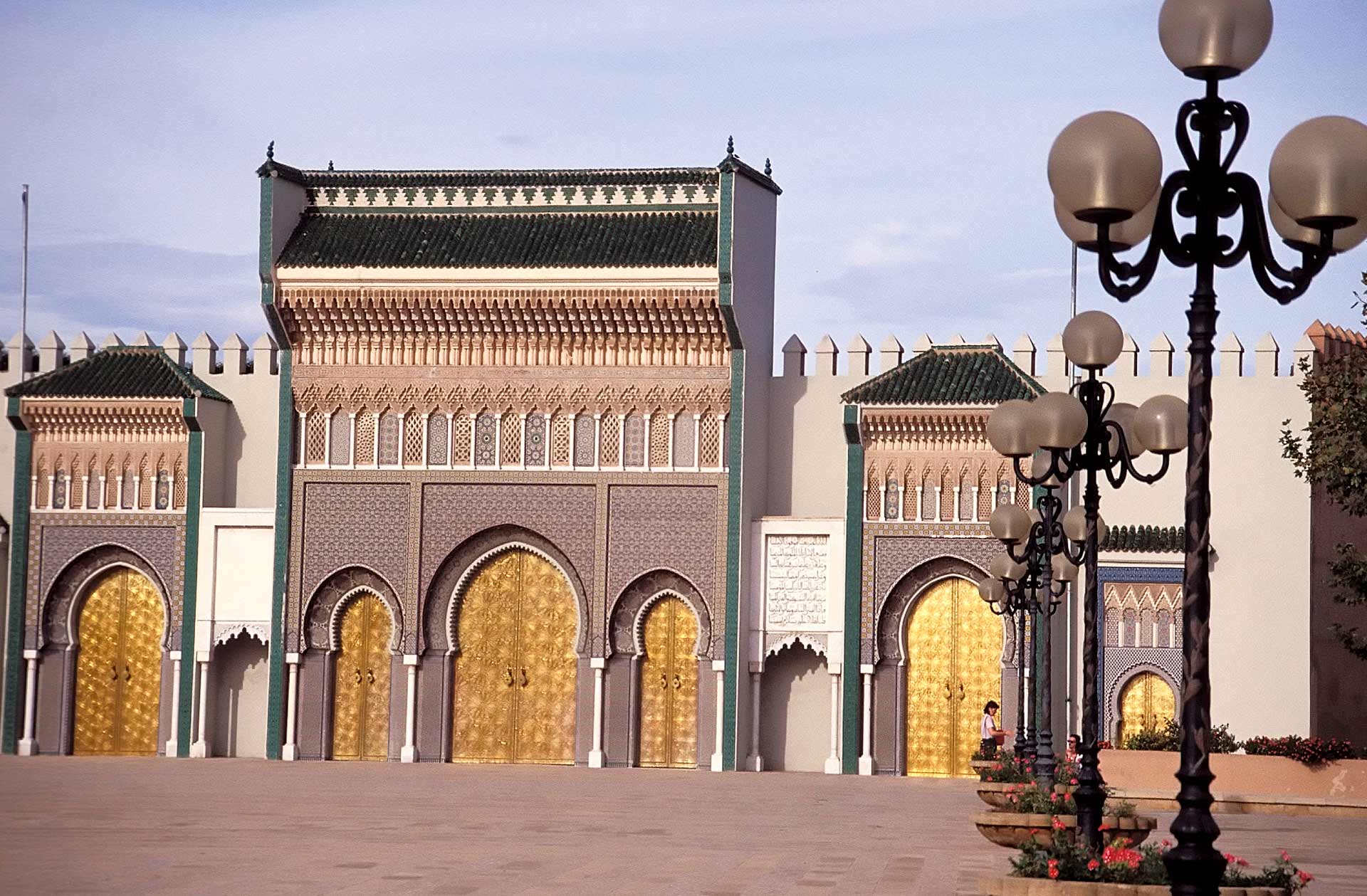
The Naila Lagoon is a unique inland arm of the sea, separated from the ocean by rows of dunes that create a special ecosystem inhabited by migratory and resident birds. With a local fishing boat, we explore the remote shores.
After lunch in a local restaurant, we visit a ghost military fort, which still guards the former borders between the French protectorate of Morocco and the Spanish Sahara. The atmosphere evokes the set of an old Foreign Legion movie.
In the evening, we arrive at the comfortable Ksar Tifnidilt, or similar. Air-conditioned rooms with private facilities will be our base for two nights. The hotel is built using local materials in a traditional Saharan style.
Overnight: Ksar Tifnidilt, Tifnidilt (2 nights) (B, L, D)
Early morning leaving Tifnidit to cross steep range of dunes.
The Dra estuary region and Cape Dra are visited only by brave travellers.
Between the cliffs and the Atlantic Ocean there are not paved roads. We will discover tiny temporary settlements of fishermen, ghost colonial military posts, dunes, and camels.
For lunch we will be guests of the fishermen, a pleasant way to contribute to the local economy by enjoying super-fresh grilled fish (vegetarian also available).
A steep descent will take us to a river bed in a canyon, the only access to the ocean for an exciting drive on the 'white beach' between sand, waves and sea eagles.
Return to Ksar Tifnidilt. (B, L, D)
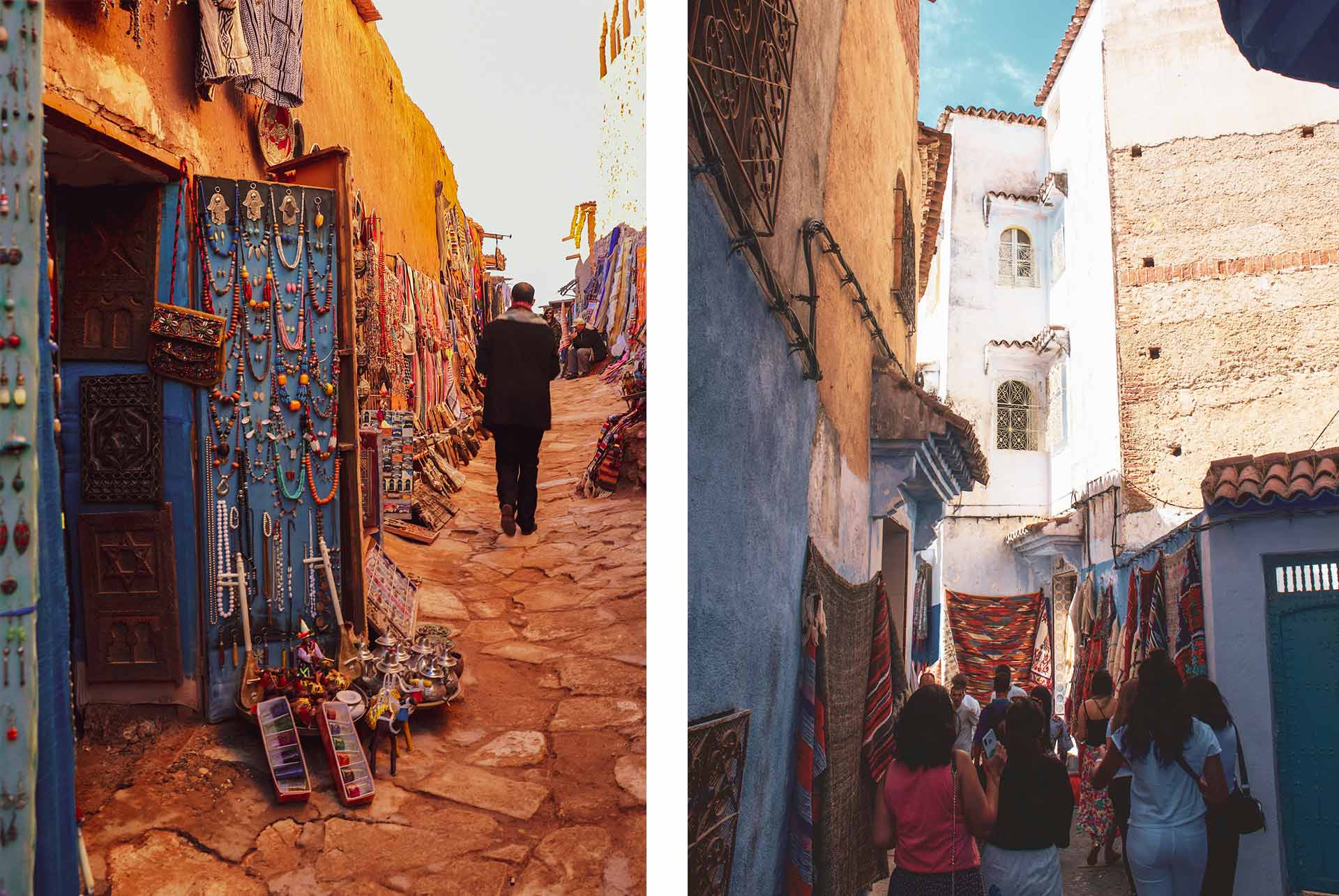
Guelmim was an important trans-Saharan terminal, and in the souk we can still see remnants of the caravan trade. Our schedule coincides with the perfect day to visit the camel market. Camel herders from all over southern Morocco and even from Mauritania come to buy and sell these animals, as well as other products from their regions.
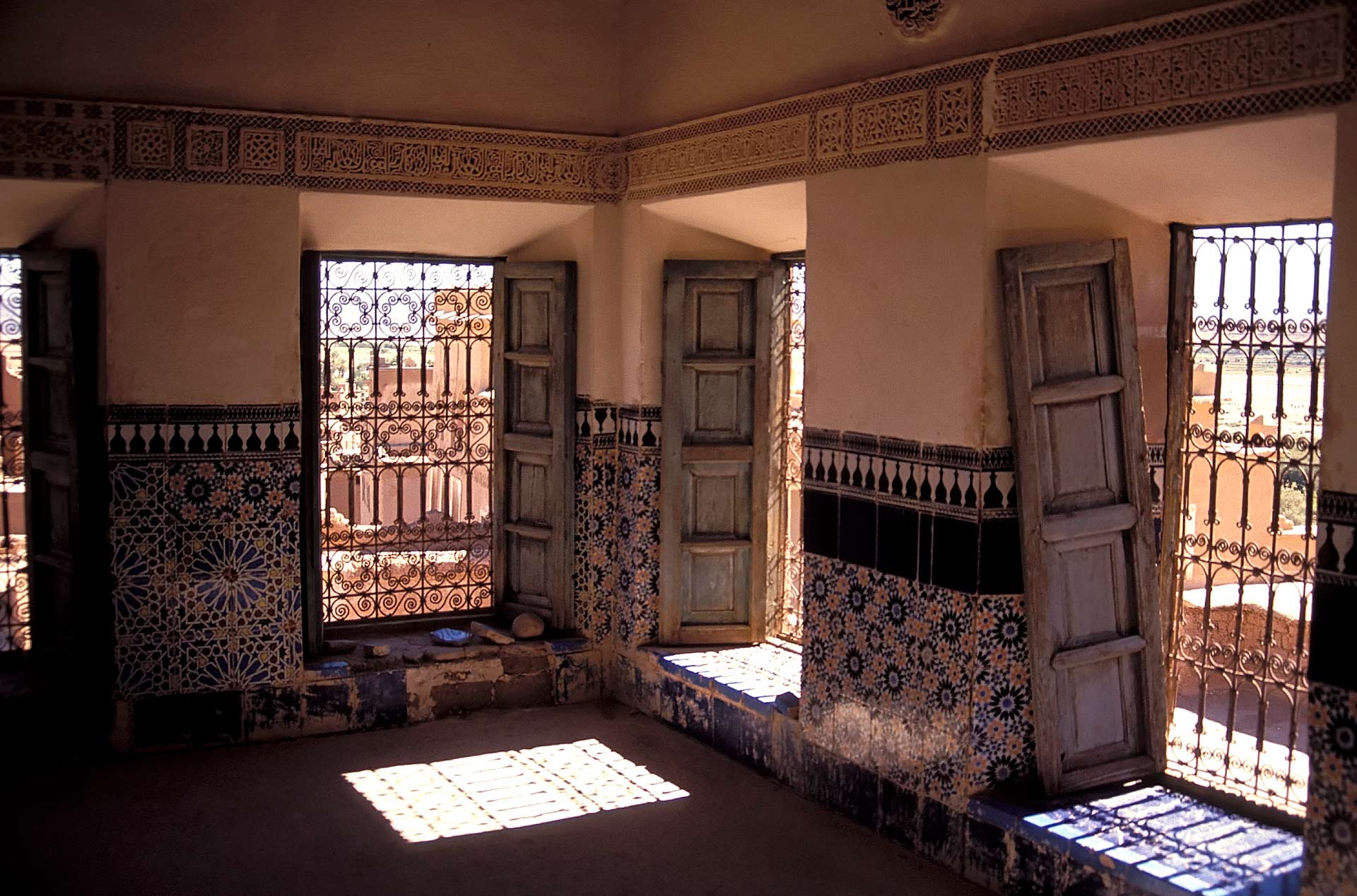
In the rarely visited Assa region, we discover the same Arab-Berber stone architecture that we saw more than a thousand kilometres south, in the oases of Chinguetti and Ouadane. In ancient times, these citadels were connected to Marrakech through Assa as part of a caravan route for gold, ivory, and slaves, which we are now retracing.
Evening arrival at the small oasis of Icht, staying at the best hotel in the region. Dinner and overnight are at Borji Biramane, featuring air-conditioned self-contained bungalows, a swimming pool, and Wi-Fi, or similar.
Overnight: Borji Biramane, Icht (1 night) (B, L, D)
We cross a region of spectacular landscapes, with rocky mountains and large oases. We leave the main road to discover prehistoric rock art, including an ancient graffito depicting a rhinoceros, an animal long extinct here, remnants of a time when the present Sahara was green grassland. We walk through the oasis to experience a green miracle surrounded by an arid environment. Lunch is at a local restaurant.
After an intense day driving off-road across high ranges of dunes, we reach the picturesque oasis of Foum Zguid. From adventure to comfort, dinner and overnight are at the super comfortable Bab Rimal. The hotel features air-conditioned self-contained bungalows, Moroccan-style furniture, a swimming pool, and Wi-Fi. Or similar.
Overnight: Bab Rimal, Foum Zguid (1 night) (B, L, D)
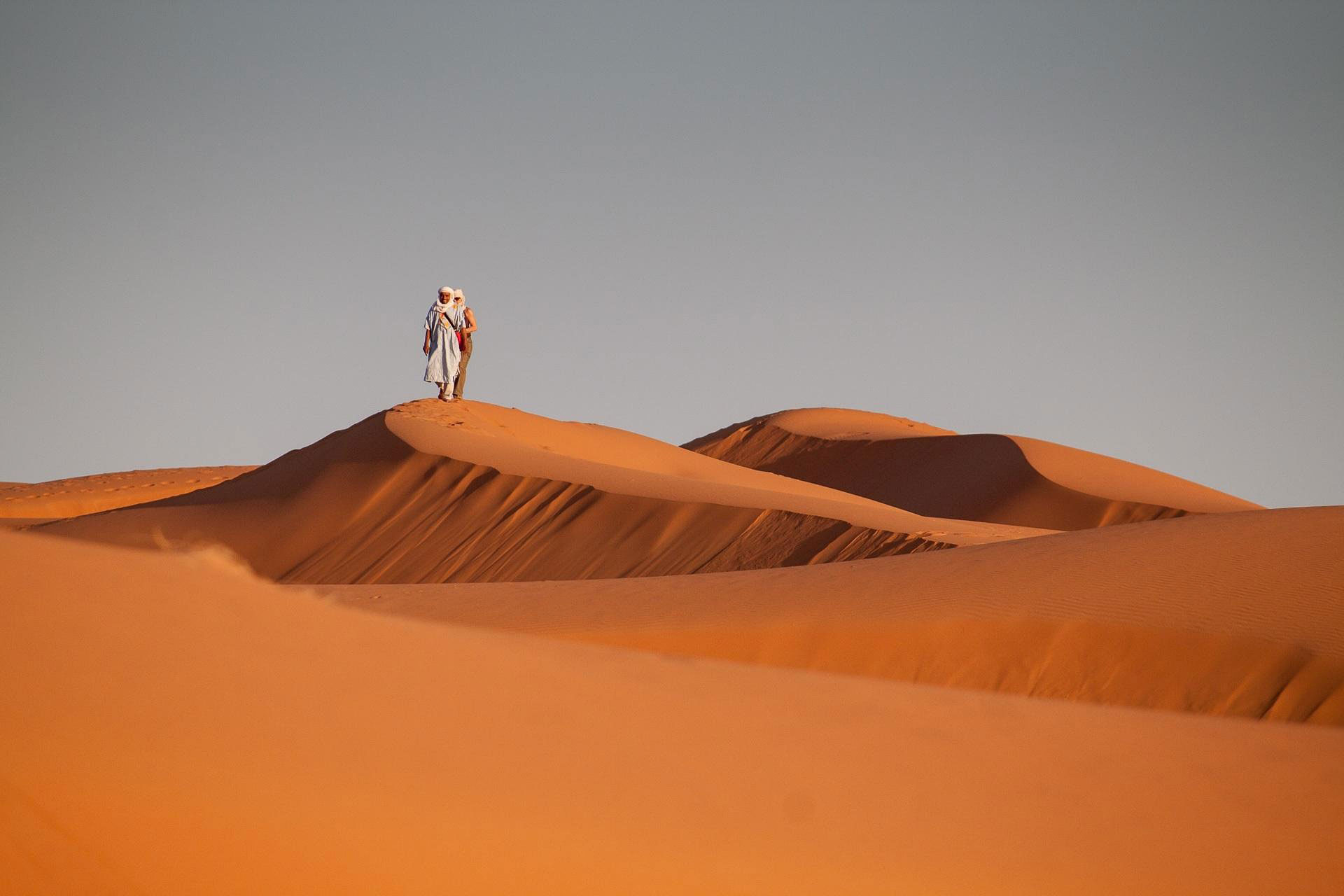
We follow an off-road itinerary to cross the spectacular landscape of the Iriki dry Lake through a flat, salty plain. We discover an ancient seabed with rocky hills where, looking attentively, we can find some fossils.
The tall dune ranges of Erg Chegaga bar our way, and only the expertise of our driver will lead us through sand labyrinths on an unforgettable journey, finding our way across steep dunes on the northern edge of the Sahara, the wildest desert on earth.
Dinner and overnight are at the comfortable Hotel Pacha in the Mahamid oasis. The hotel features air-conditioned self-contained rooms and Wi-Fi, or similar.
Overnight: Bab Rimal, Foum Zguid (1 night) (B, L, D)
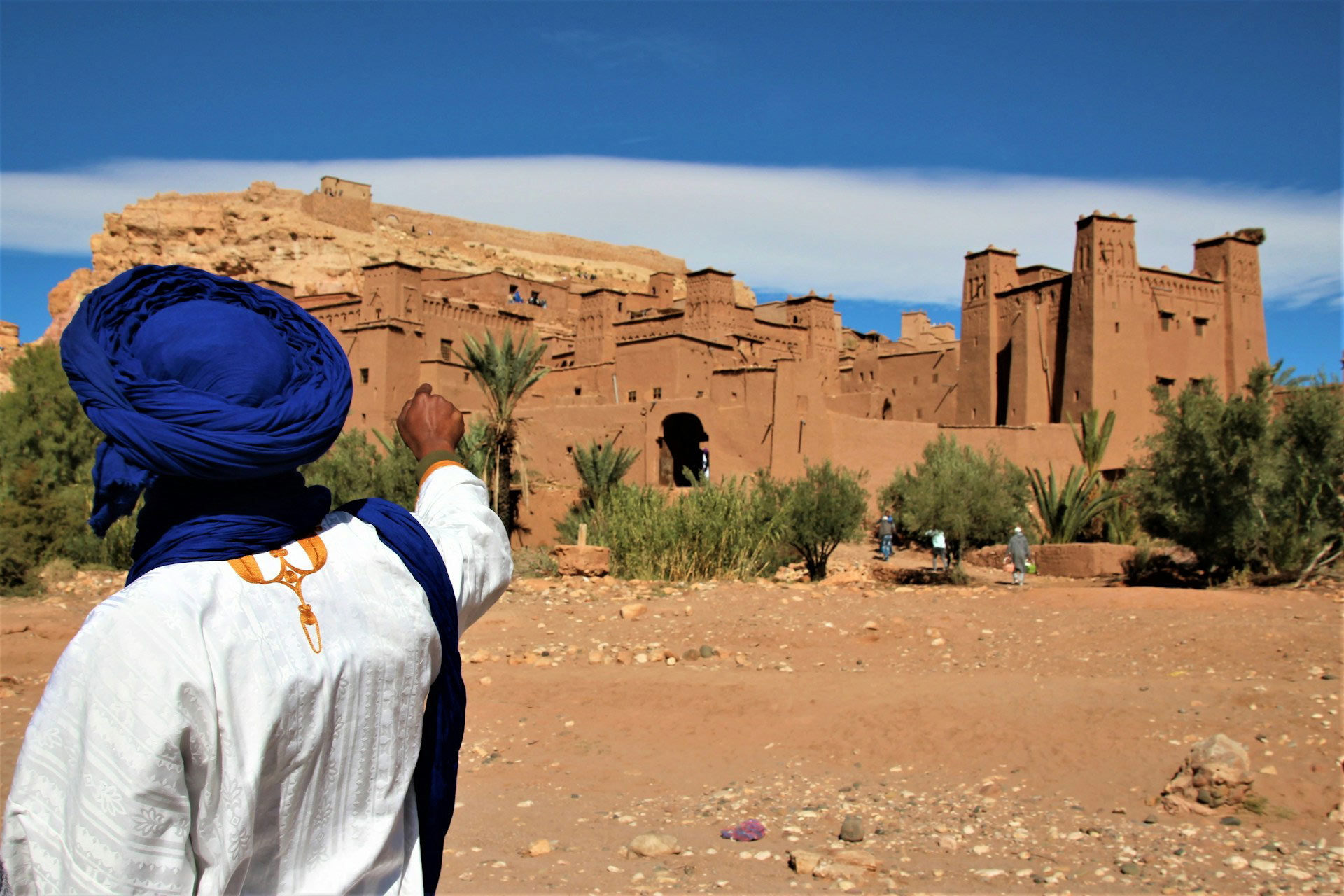
Morning departure following the spectacular road that crosses the Dra Valley and Berber villages.
We visit an ancient rock art site with hundreds of fine graffiti dating back thousands of years, silent testimony to the peoples who lived in these regions before desertification.
Arrival in Ouarzazate, a large oasis at the edge of the desert. Dinner and overnight stay are at the Ibis, an international hotel built in local architecture. The hotel offers comfortable air-conditioned self-contained rooms with Wi-Fi and a swimming pool. No twin rooms are available.
Overnight: Ibis Hotel, Ouarzazate (1 night) (B, L, D) – No Twins available
Departure in the morning.
Ait Benhaddou is located along the ancient caravan route connecting Marrakech to the Sahara. Over the years, many famous films have been shot in this Ksar, including Lawrence of Arabia, Sodom and Gomorrah, Oedipus Rex, The Sheltering Sky, The Jewels of the Nile, Jesus of Nazareth, Alexander, Gladiator, and more.
We head north to cross the spectacular High Atlas range on a panoramic route through the Tin Tichka pass at 2,260 meters. Along the way, we meet local gem seekers in search of amethyst, tourmaline, and other stones. With a bit of luck, we may be able to find our own gems.
Arrival in Marrakech in the early evening. Marrakech, a traditional caravan terminal, is the ideal end of our modern caravan. Day-rooms will be available in a hotel for a final shower before the transfer to the airport. Meals are not included.
Day use rooms. (B)
Departure Dates & Prices
| 2027 | Per Person on Twin Sharing |
Single Room Supplement |
|---|---|---|
| Departures | ||
| Entire Tour | ||
| MARCH 2027: March 4 to April 28, 2027 NOVEMBER 2027: November 8, 2027 to January 2, 2028 – Reverse version |
||
| Based on 2 or 3 participants | US$ 37072 | US$ 3227 |
| Based on 4 or 5 participants |
US$ 29053 | US$ 3227 |
| Based on 6+ participants |
US$ 23206 | US$ 3227 |
| PART 1: 17 Days from Cotonou to Monrovia (Benin, Togo, Ghana, Ivory Coast, Liberia) | ||
| Based on 2 or 3 participants | US$ 9815 | US$ 1279 |
| Based on 4 or 5 participants |
US$ 8901 | US$ 1279 |
| Based on 6+ participants |
US$ 7987 | US$ 1279 |
| PART 2: 20 days from Monrovia to Dakar (Liberia, Sierra Leone, Guinea, Guinea Bissau, The Gambia, Senegal) | ||
| Based on 2 or 3 participants | US$ 17163 | US$ 1155 |
| Based on 4 or 5 participants |
US$ 12760 | US$ 1155 |
| Based on 6+ participants |
US$ 10626 | US$ 1155 |
| PART 3: 24 days from Dakar to Marrakesh (Senegal, Mauritania, Western Sahara Province of Morocco) | ||
| Based on 2 or 3 participants | US$ 14032 | US$ 1119 |
| Based on 4 or 5 participants |
US$ 12155 | US$ 1119 |
| Based on 6+ participants |
US$ 9572 | US$ 1119 |
| 2027 | Per Person on Twin Sharing |
Single Room Supplement |
|---|---|---|
| Departures | ||
| Entire Tour | ||
| MARCH 2027: March 4 to April 28, 2027 NOVEMBER 2027: November 8, 2027 to January 2, 2028 – Reverse version |
||
| Based on 2 or 3 participants | CA$ 53347 | CA$ 4644 |
| Based on 4 or 5 participants |
CA$ 41808 | CA$ 4644 |
| Based on 6+ participants |
CA$ 33394 | CA$ 4644 |
| PART 1: 17 Days from Cotonou to Monrovia (Benin, Togo, Ghana, Ivory Coast, Liberia) | ||
| Based on 2 or 3 participants | CA$ 14124 | CA$ 1841 |
| Based on 4 or 5 participants |
CA$ 12809 | CA$ 1841 |
| Based on 6+ participants |
CA$ 11494 | CA$ 1841 |
| PART 2: 20 days from Monrovia to Dakar (Liberia, Sierra Leone, Guinea, Guinea Bissau, The Gambia, Senegal) | ||
| Based on 2 or 3 participants | CA$ 24698 | CA$ 1663 |
| Based on 4 or 5 participants |
CA$ 18362 | CA$ 1663 |
| Based on 6+ participants |
CA$ 15291 | CA$ 1663 |
| PART 3: 24 days from Dakar to Marrakesh (Senegal, Mauritania, Western Sahara Province of Morocco) | ||
| Based on 2 or 3 participants | CA$ 20193 | CA$ 1611 |
| Based on 4 or 5 participants |
CA$ 17492 | CA$ 1611 |
| Based on 6+ participants |
CA$ 13775 | CA$ 1611 |
| This tour can also be taken in 25 legs that last from 7 to 56 days. Please contact us for details if you are interested in a specific segment. |
Notes
Inclusions
Participants
Please note that this expedition does not operate on a set minimum, as travellers may join different sections of the journey. Departure status depends on bookings across each section and will be updated once a departure is guaranteed.
Customised Itinerary
If you would like to have a tour on dates other than the above ones or with a customised itinerary, please contact Bestway Tours & Safaris and we will be happy to work out an exclusive program for you.
Recommended Trips

Sign up for our Bestway Club newsletter and be the first to know about special discounts, new tours and travel updates!