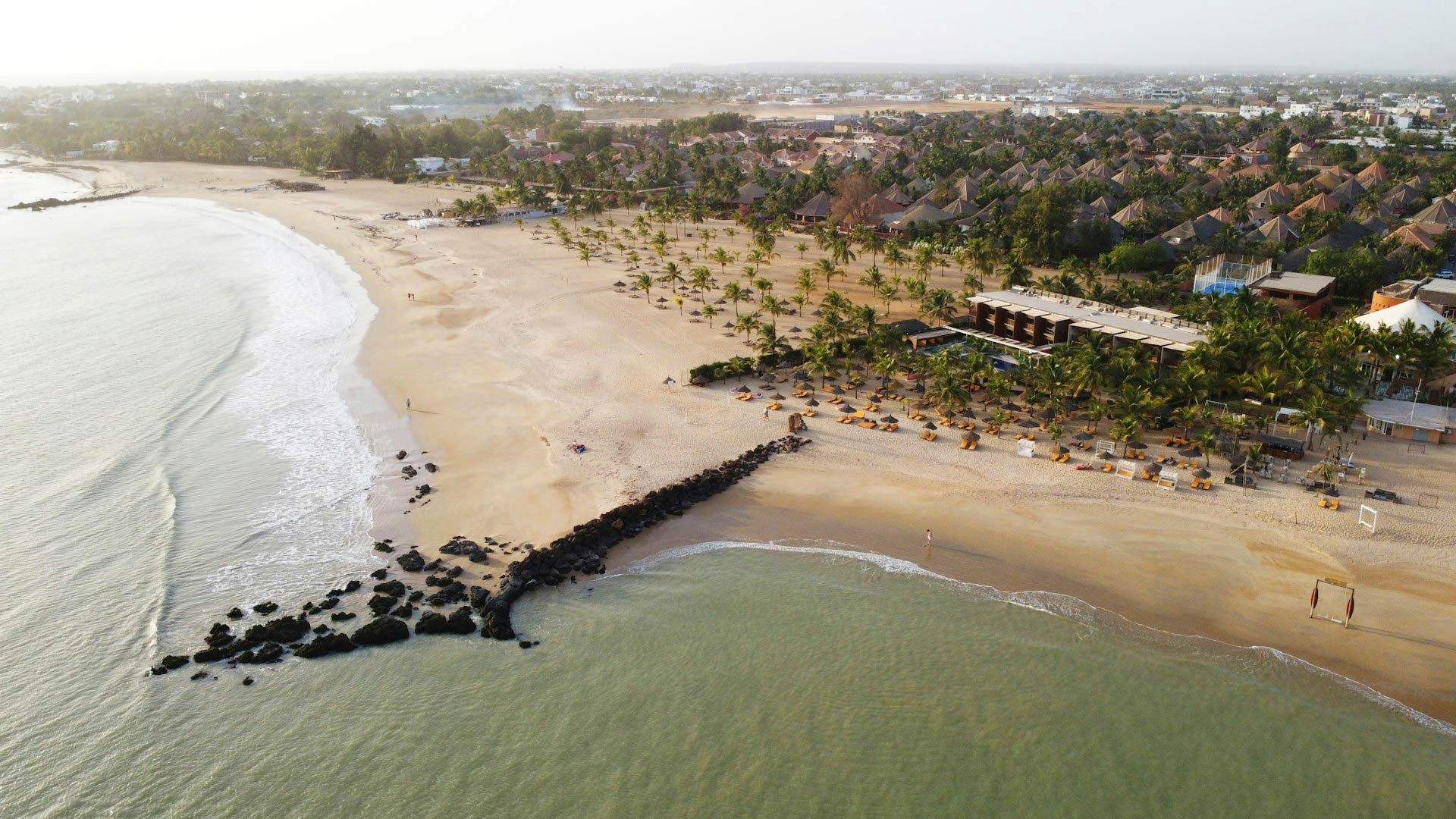
Dive deep into the cultural treasures, natural wonders and one-of-a-kind experiences of 6 West African countries: Liberia, Sierra Leone, Guinea, Guinea Bissau, The Gambia and Senegal. This incredible route takes you through regions seldom visited by outsiders. Witness Sierra Leone’s remarkable Bundo mask ceremonies, explore remote, untouched villages and sacred forests in the Bijagos Archipelago, stand within one of the richest ancient complexes on the planet at Senegal’s Sine Ngayene, and much, much more. This adventure is one to be remembered, with comfort, safety, and authentic experiences at the forefront.
Welcome to Liberia! We are met at the airport and transferred from Liberia airport to our hotel. Check-in time is from 12:30 PM. Enjoy dinner at our hotel.
Overnight: Cape Hotel (4-stars), Monrovia (2 nights)
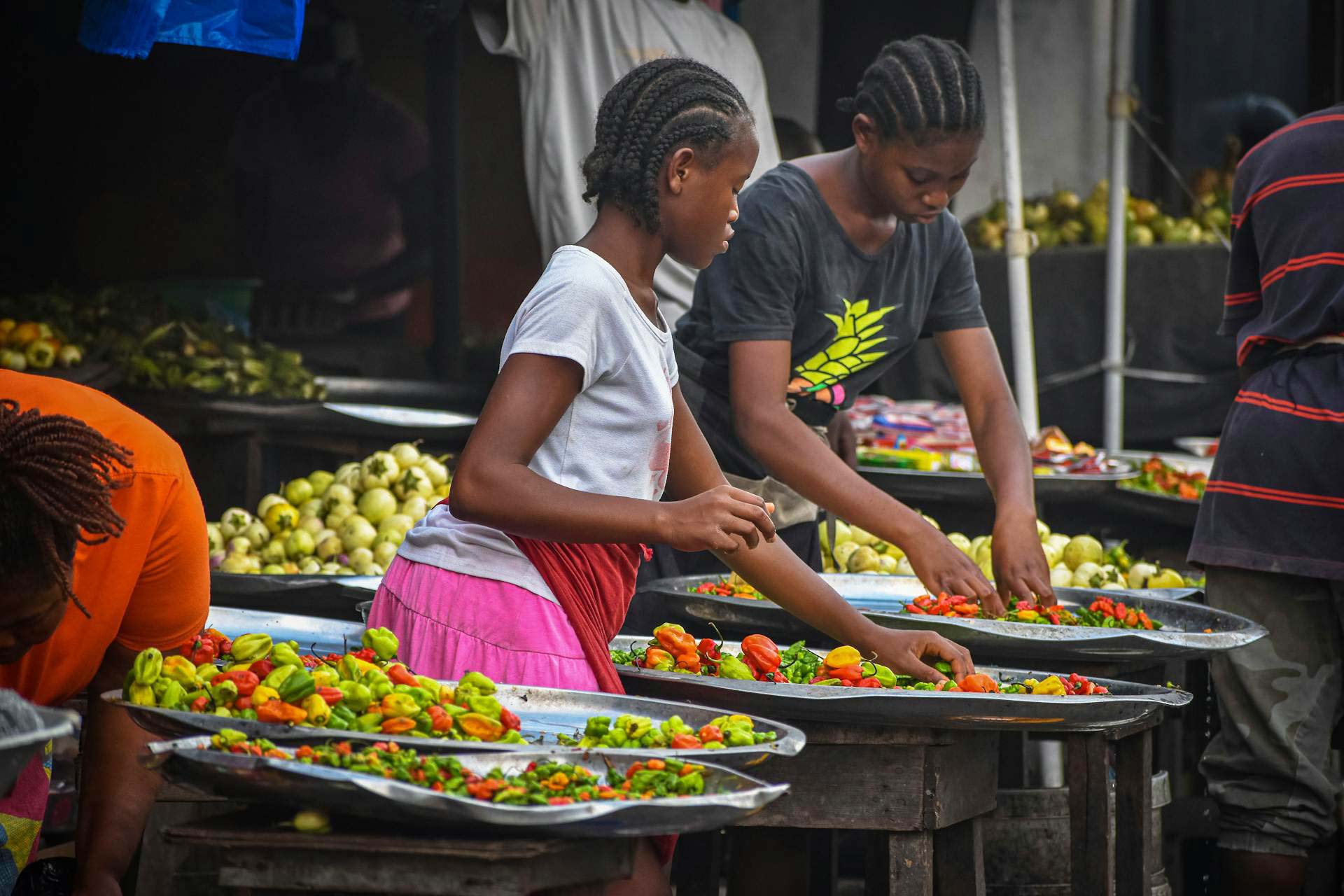
With its sweeping ocean views, our hotel serves as the perfect starting point to explore the capital. We begin by delving into the profound influence of Freemasonry on Liberian history and Krio culture with a visit to the Grand Masonic Temple, the city's most imposing landmark.
A haunting symbol of Monrovia’s past is the Ducor Palace. Opened in 1960 as one of Africa's first five-star hotels, it sits upon a rocky hill at the city’s highest point, dominating the skyline and the bay. This was once the playground of the post-independence elite; local lore recalls Idi Amin swimming in the pool with a pistol at his belt while the legendary Miriam Makeba performed nearby. Though looted during the civil war and currently abandoned following a stalled redevelopment deal involving the Libyan government, we will attempt to secure the necessary permissions to explore its storied ruins.
Our cultural journey continues at the National Museum, housed in a beautiful example of traditional Krio architecture. Inside, we will discover an extensive collection of ancient masks and ritual objects, alongside a poignant photographic exhibition documenting the civil wars that gripped the nation from 1989 to 2003. Our exploration concludes with a walk past the city's historic colonial buildings and sturdy stone Krio churches.
Dinner and overnight stay at The Cape Hotel or similar. (B, L, D)
This morning, we follow the Mano River, the natural border between Liberia and Sierra Leone, and complete border formalities. From there, we drive along a spectacular new road that winds through Sierra Leone’s lush forests. The region’s coastline, named the “Sierra of Lions” by the first Spanish navigators, offers breathtaking scenery.
Sierra Leone is world-renowned for its diamonds, a resource that has played a pivotal role in the country’s recent and turbulent history. The allure of finding a fortune is as addictive as gambling. While only the luckiest find true wealth, the quantity and quality of gems still waiting to be discovered remains significant.
Upon reaching a rural village, we will seek permission from the local chief to visit a nearby mining site. Here, we meet artisanal diamond seekers as a local guide explains the techniques of traditional mining and sand washing. Afterward, we continue to the lively and welcoming town of Bo. Our visit includes a stop at a local Diamond Shop, a fascinating hub where rough diamonds are appraised and specialized digging equipment is traded.
Dinner and overnight stay at the comfortable Bo Inn Hotel or Dohas Hotel, featuring self-contained, air-conditioned rooms, or similar.
Overnight: Bo Inn Hotel/Dohas Hotel, Bo (1 night) (B, L, D)
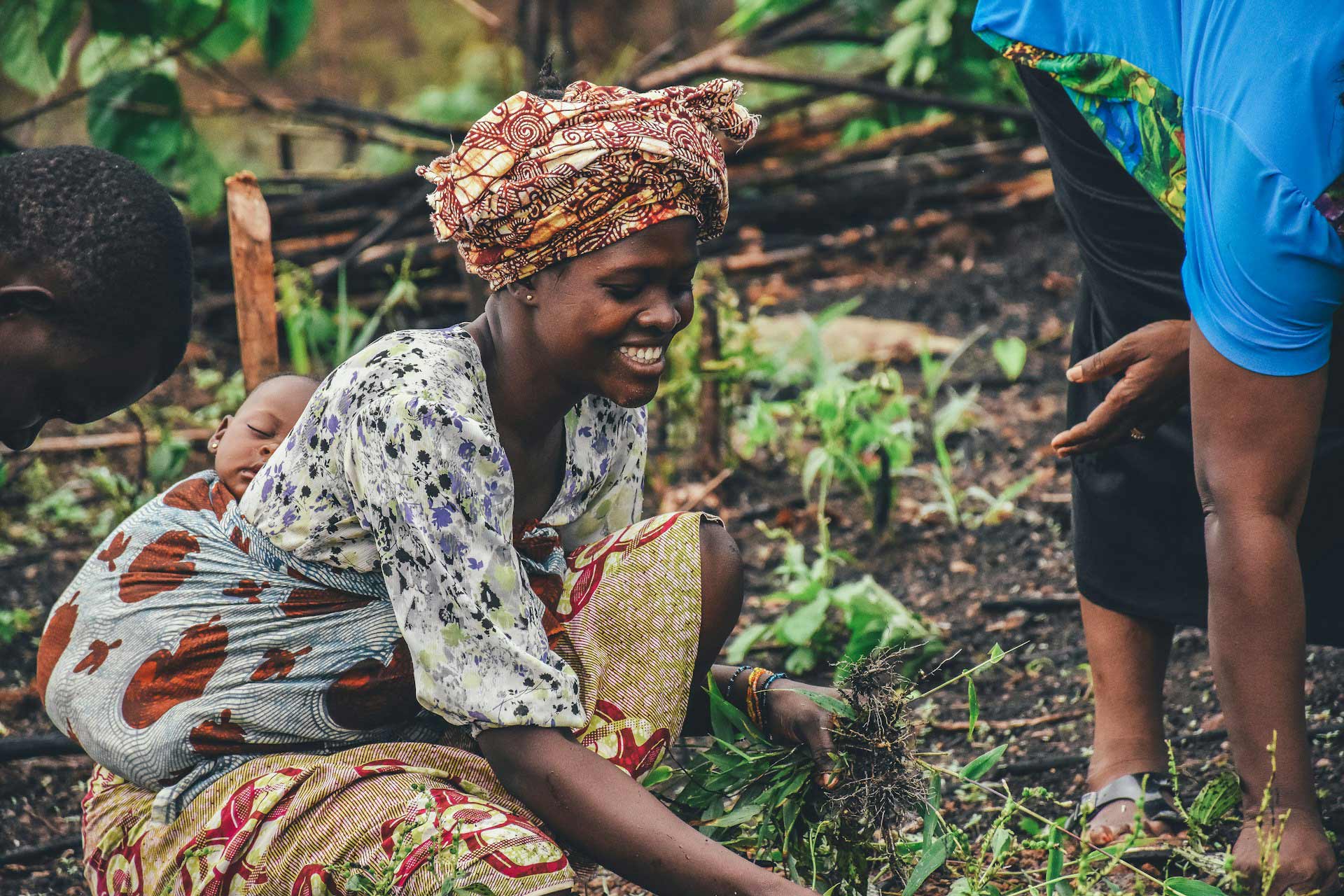
Among most African communities, masks are traditionally worn by men, but with the Mende people and neighbouring groups, the Bundo masks are the domain of women. These masks play a vital role in girls’ initiation rites. We visit a village to witness the ceremonial exit of the masks, a lively event attracting a colourful crowd.
After this experience, drive to the Atlantic coast, where at the village of Kent we leave our vehicles to board a local boat for a short cruise to Banana Island.
Dinner, and overnight are at the cozy Bafa Fix Camp, with permanent tents nestled in the forest and facing the ocean. Facilities include a central sanitary block, and meals feature fine cuisine based on the catch of the day (other options available if requested). Guests can enjoy cocktails and a relaxed tropical atmosphere.
Overnight: Baha Fix Camp, Banana Island (2 nights) (B, L, D)
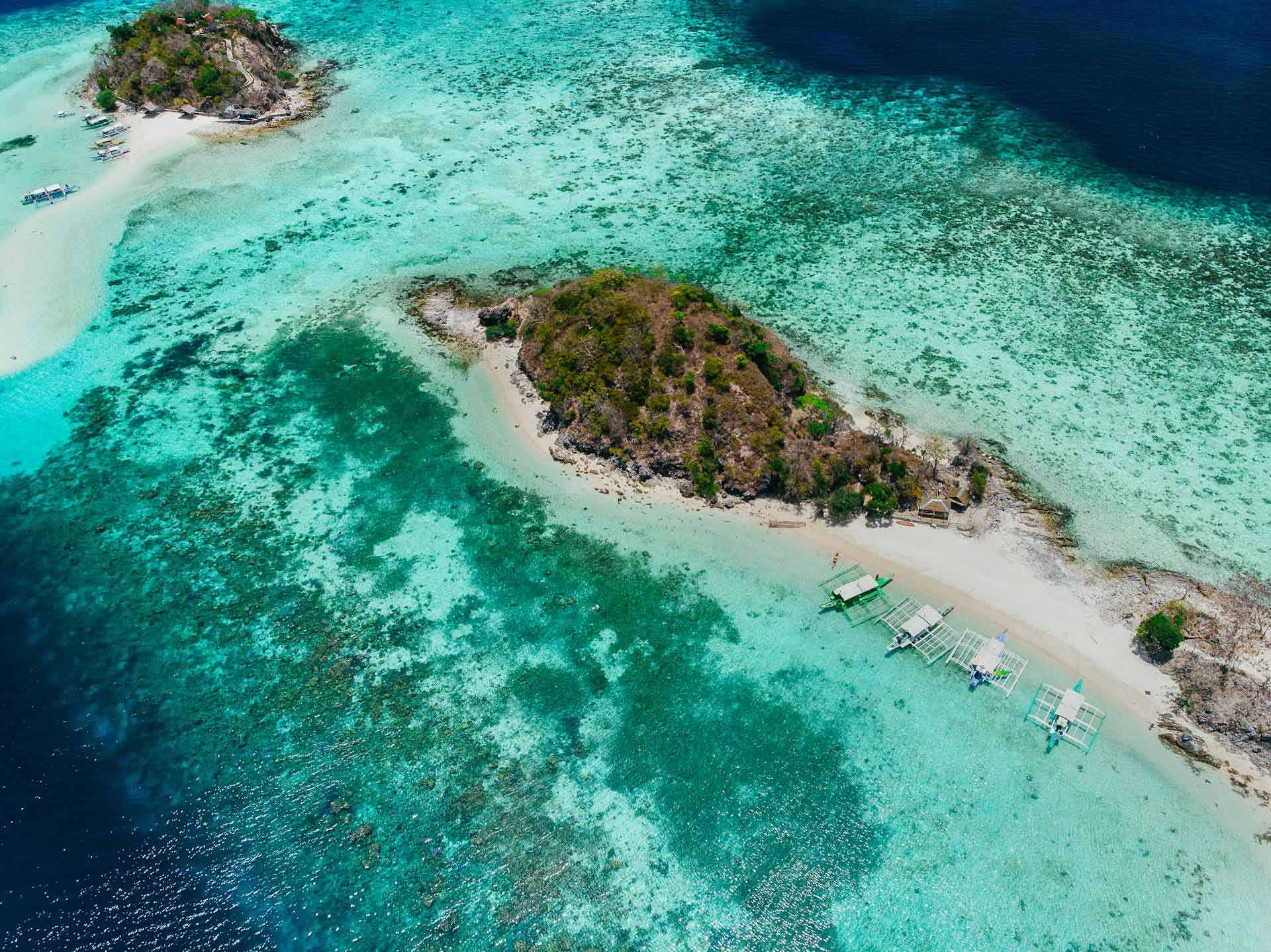
We board a wooden boat for a scenic circumnavigation of this legendary island, where emerald mountains are blanketed in untouched primary forest. As we glide through the waves, we discover hidden coves and charming Krio fishing villages that reveal an old Caribbean soul echoing through the landscape.
For the adventurous, an optional two-hour hike through shaded forest trails offers a deeper connection with the island’s wild nature. Those who prefer to unwind can enjoy our camp, nestled among the trees with views of the sea, which invites you to slow down and listen to the rhythm of the waves. Whether you are exploring jungle paths or lounging by the gentle waters of a secluded beach, this day is yours to experience the raw beauty and peaceful spirit of the island.
Dinner and overnight at cozy Baha Fix Camp. (B, L, D)
The boat brings us back to the mainland, and we drive along the coast at the slopes of the Freetown Peninsula mountains, where only the golden beaches separate the lush green vegetation from the deep blue ocean. The coastline is home to some of West Africa’s finest beaches.
Later, we arrive in Freetown, the capital of Sierra Leone. Freetown’s origins date back to 1786, when the first 380 freed African slaves arrived from America, having fought in the independence war alongside the British. After losing the war, they were sent to Sierra Leone to establish the first freed slave settlements. In the first months, the newcomers faced starvation, unfamiliar diseases, and tensions with local populations. During the Napoleonic Wars, Freetown was attacked by seven French vessels and largely destroyed, with a few survivors escaping on pirogues once used by slave traders.
From 1807, following the British abolition of the slave trade, captured slave ships brought freed Africans to Sierra Leone, and in 1808 Freetown became the capital of Britain’s first colony in tropical Africa. The Krio people, descendants of freed slaves, quickly became an educated elite, establishing Fourah Bay University in 1845 and earning Freetown the nickname “Athens of West Africa.”
Our visit covers the historic center’s Krio and Colonial architecture, the site of the legendary Cotton Tree, the National Museum, the Palace of Justice, and St. George’s Cathedral. We also visit the unique Sierra Leone Peace Museum, which offers a moving look at the decade-long civil war and the nation’s journey toward reconciliation.
Dinner and overnight are at the comfortable Swiss Hotel, four stars, international standard, with self-contained rooms (no twin rooms available).
Overnight: Swiss Hotel (4-stars), Freetown (1 night) (B, L, D) – No Twin rooms available
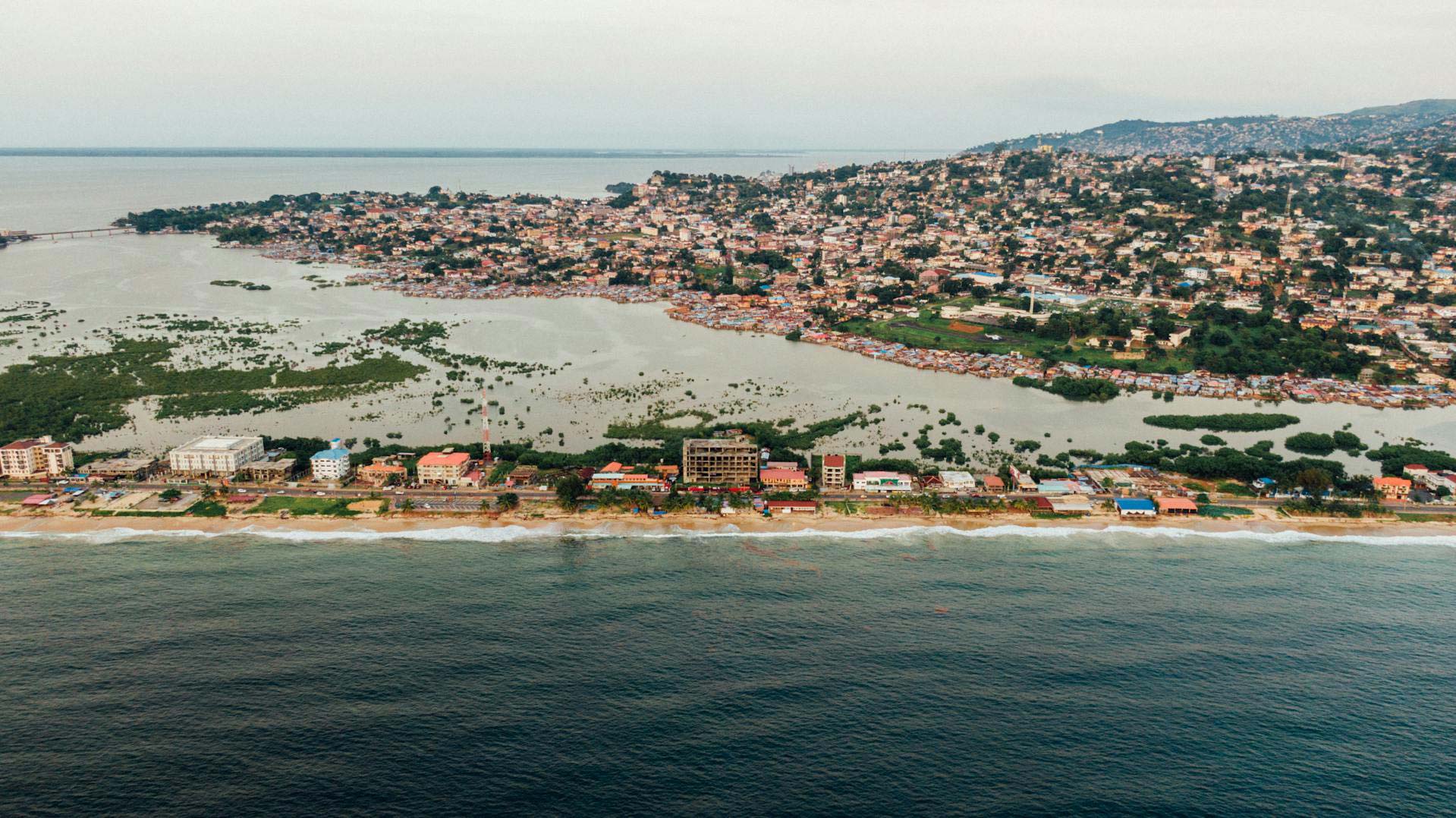
After navigating several border controls, we arrive in the pleasant trading town of Kindia. Situated at a strategic crossroads, Kindia connects the coastal plains with the towering Fouta Djalon mountains and the dense western forests.
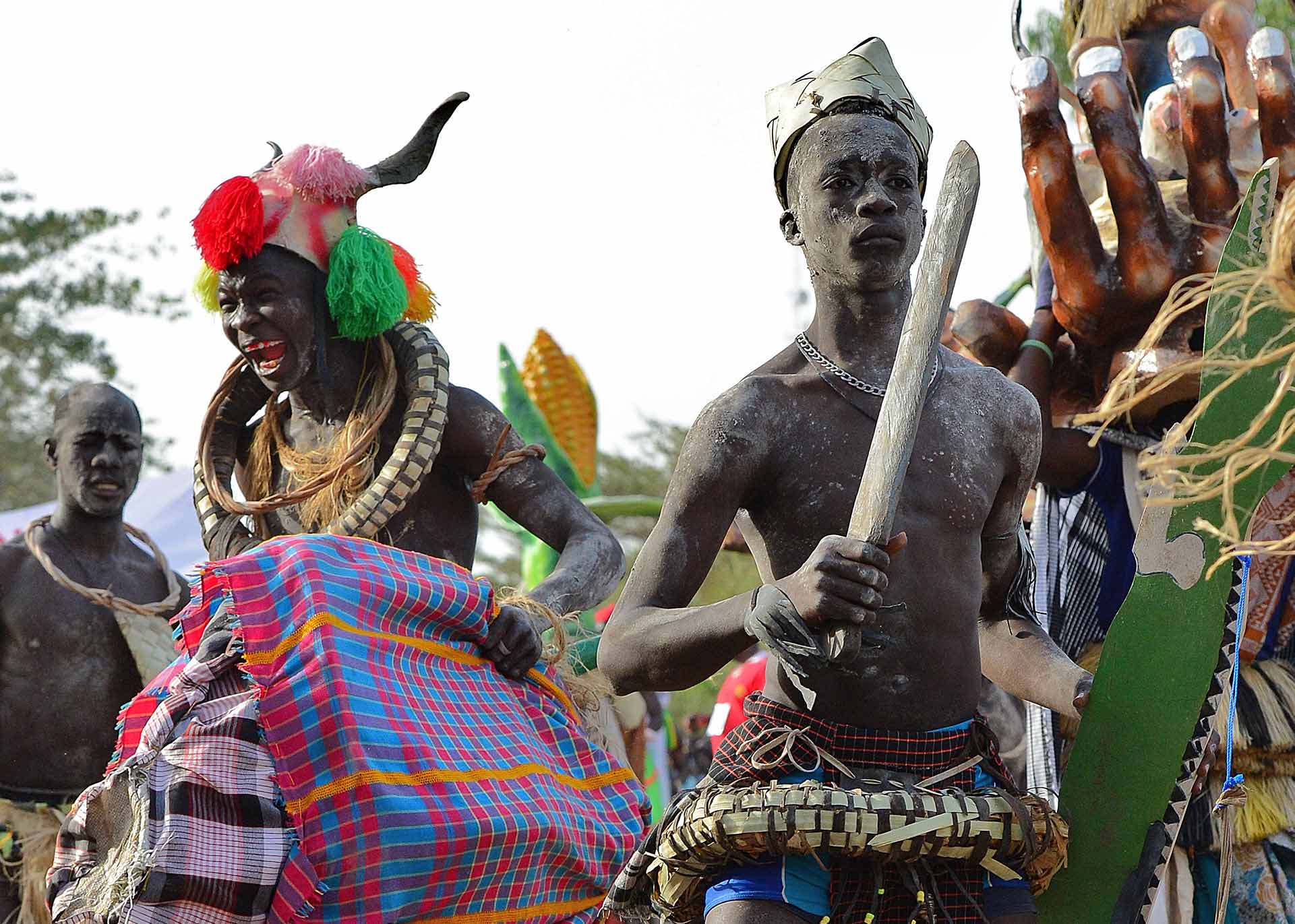
Our evening begins with a special tasting of diverse Guinean culinary specialties. Afterward, illuminated by the glare of a bonfire and the intense rhythm of drums, sacred masks will emerge from the forest to perform. The highlight of this ritual is the appearance of the Baga Nimba. As one of the most spectacular and significant masks in West Africa, the Nimba is a powerful symbol of the Guinean nation.
Dinner and overnight will be at Hotel Masabi, with air-conditioned, self-contained bungalows, or similar (no twin rooms available).
Overnight: Hotel Masabi, Kindia (1 night) (B, L, D) – No Twin rooms available
After passing through Mamou, the gateway to the Fouta Djalon massif, we follow a panoramic road ascending the southern slopes to Dalaba, situated at an altitude of 1,200 meters [3,900 ft].
The Fouta Djalon is widely considered the most spectacular region of Guinea, where jagged mountains, high plateaus, and rolling savannahs drop into deep, mist-filled valleys. Known as the "water reservoir" of West Africa, this massive highland is the source of three major rivers that give their names to four nations: the Niger, Nigeria, the Senegal, and the Gambia. The region is the ancestral home of the Fulani people (also known as the Peul), who are renowned for their traditional standards of beauty and their expertise as the greatest zebu cattle breeders south of the Sahara.
Due to its cool, healthy climate, Dalaba was a favored holiday retreat for the French during the colonial era, and the surrounding coniferous forests remain a living reminder of that time. We will explore this quiet town, visiting the "Casa à Palabra" (the House of Words). This structure features exquisite bas-reliefs in a pure Peul architectural style and served as the meeting point for traditional chiefs and colonial administrators.
We also visit the villa built by the colonial governor, later used by Sekou Touré, the radical first president of independent Guinea. Touré was famous for his total rejection of French cooperation, choosing instead to forge strong ties with the Soviet Union and a personal friendship with Nicolae Ceaușescu. We will see the villas once reserved for his ministers and guests, including the now-ruined villa where the legendary singer Miriam Makeba met and married Stokely Carmichael, the exiled American civil rights activist and Black Panther leader.
Dinner and overnight at the new Tinka Hotel, which is air-conditioned with self-contained rooms (no twin rooms available) with a nice restaurant facing the swimming pool.
Overnight: Tinka Hotel, Dalaba (1 night) (B, L, D) – No Twins available
A full day is devoted to exploring Fouta Djallon, where mountains blend with savannah, deep valleys, and towering waterfalls framed by forests create landscapes of pristine beauty. This region is home to the Peul (also called Fulla or Fulani), renowned for their striking appearance and exceptional zebu herding skills. In the 17th century, the Peul launched a Jihad from these mountains, eventually conquering much of the savannah as far as Cameroon; today, they remain the largest ethnic group across the sub- Saharan savannahs.
We begin the day with a 90-minute forest walk to discover the Ditin Waterfall. Falling from a height of 100 meters (328 ft), it is the tallest waterfall in the region.
Later, we visit a large round clay hut crowned with an ornate grass roof. This is the historic site where the main council meets and where traditional chiefs from across the Fouta Djalon are officially appointed. Thanks to our local connections, we will request a formal reception with the dignitaries and chiefs who sit on the council to learn about their enduring traditional authority.
In the evening, we reach Labe, often called the “capital” of Fouta Djallon. Dinner and overnight are at Hotel Tata, offering simple but clean self-contained air-conditioned bungalows.
Overnight: Hotel Tata, Labe (1 night) (B, L, D)
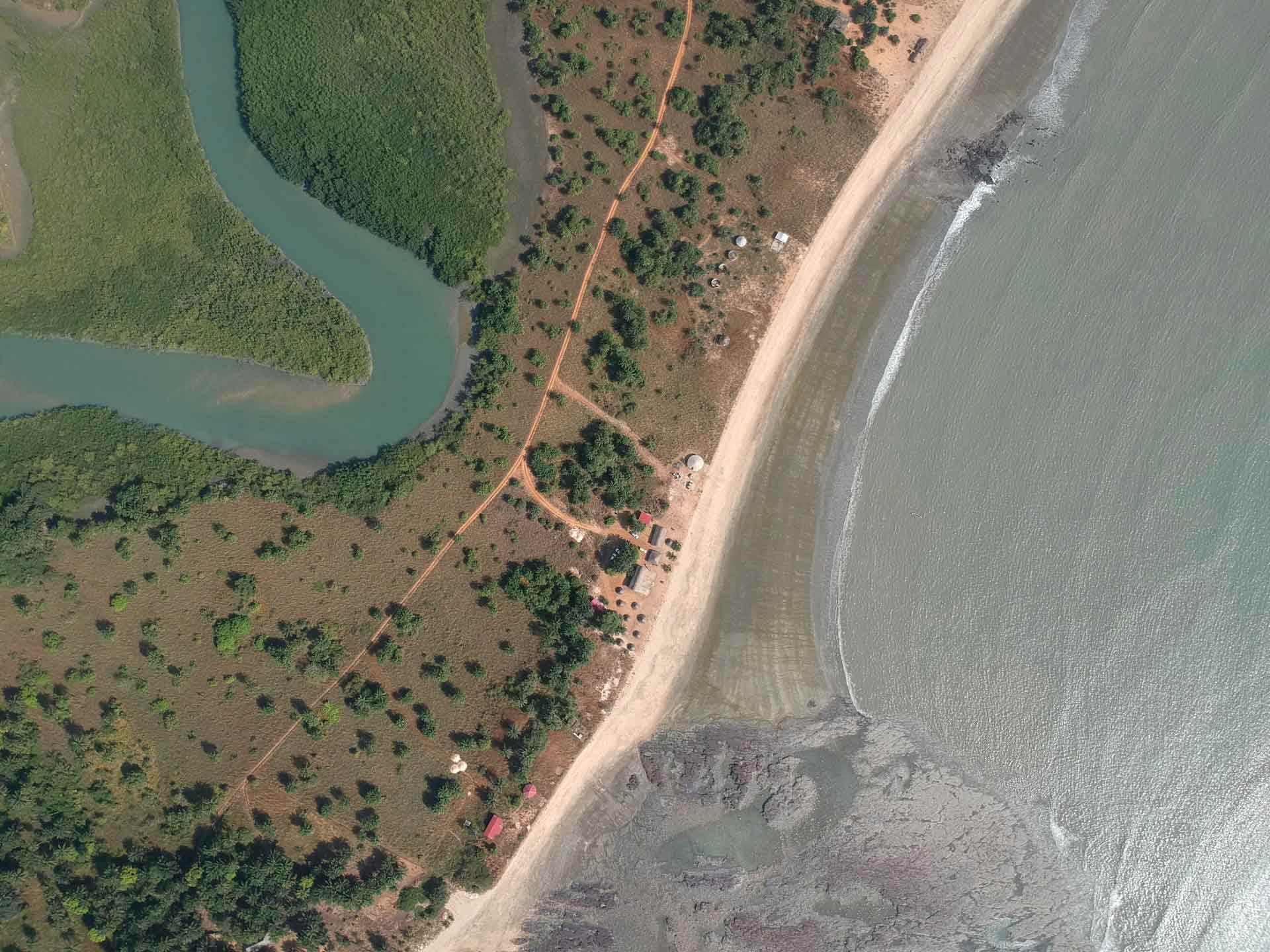
A very early departure takes us on a full day’s drive through a region of wild, open spaces, dramatic mountains blanketed with wooded savannah, tropical dry forests, and remote Peul (Fulla) settlements. At a secluded border, we cross into Guinea-Bissau. In the evening, we arrive in Gabu. Dinner and overnight are at Hotel Karsa, featuring air-conditioned self-contained rooms.
Overnight: Hotel Karsa, Gabu (1 night) (B, L, D)
Morning departure takes us off the main road to a small village in the Malinké region. The Malinké, descendants of the ancient Mali Empire, are spread across Mali, Guinea Conakry, Ivory Coast, Senegal, and Guinea-Bissau. We visit a village renowned for griot families—musician-narrators whose traditions date back to the 13th-century Mali Empire. Skilled in crafting musical instruments, they will perform a concert for us. After lunch, we explore Bafata to admire its Portuguese colonial architecture, then continue to Bissau, the country’s capital. Overnight stay is at Dunia Hotel, four stars, international standard.
Overnight: Dunia Hotel (4-star), Bissau (1 night) (B, L, D)
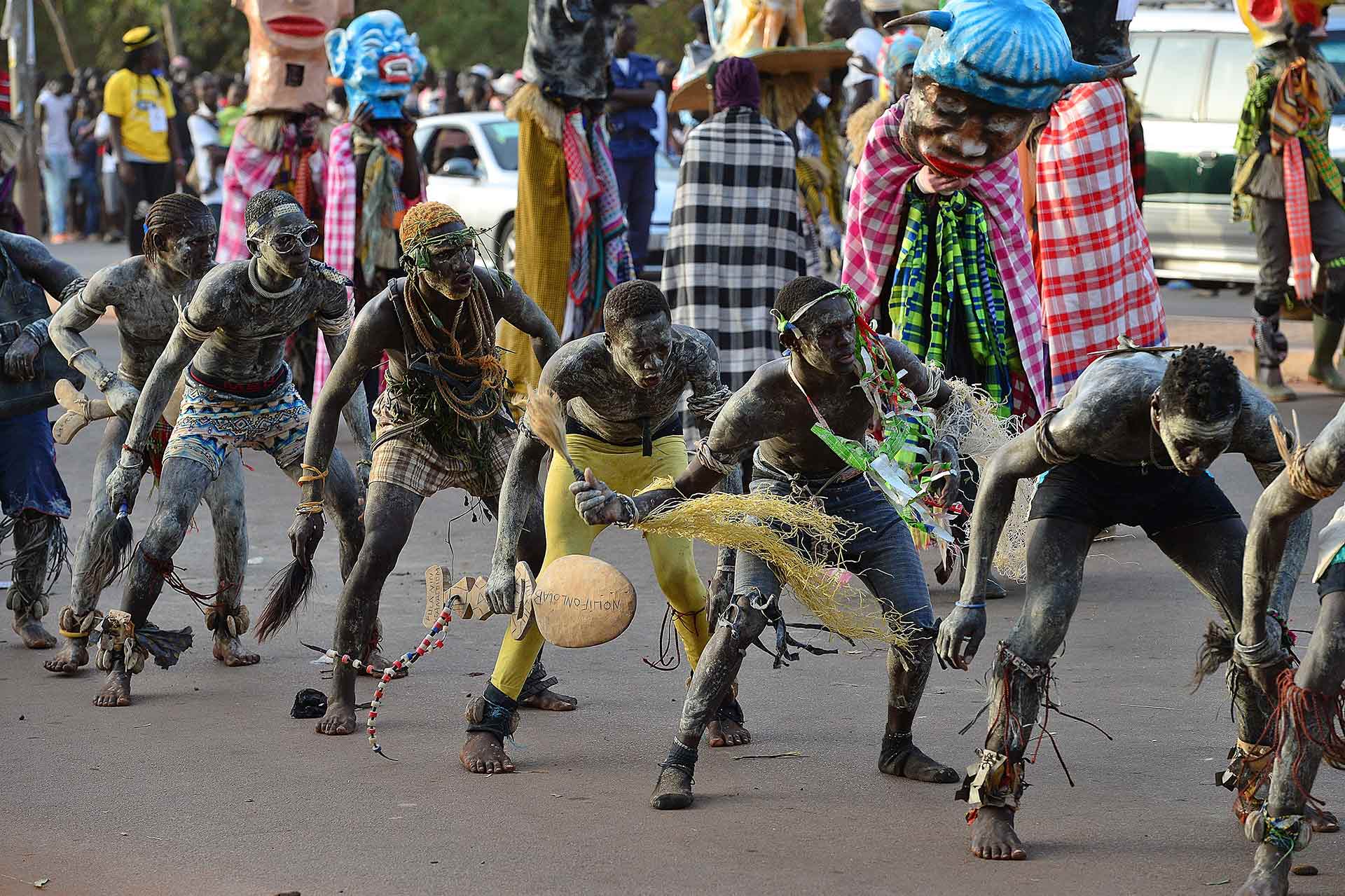
We embark on a three-day spectacular speedboat journey to explore the Bijagos Archipelago, its unique nature, and isolated communities. Comprising 88 islands and islets, the Archipelago lies about 40 miles off the coast and is a true “geographical jewel” for both its natural and cultural richness. We visit Bolama, the former capital of Portuguese Guinea from 1871 to 1941, now partly reclaimed by tropical vegetation. Built on the model of a «Castrum Romanum» (Roman citadel), Bolama features wide straight avenues, empty sunny squares, dry fountains, and fading Neo-Palladian buildings, while goats graze peacefully near the former governor’s palace, giving the town a fairy-tale ghost-town atmosphere. Dinner and overnight are at Ponta Anchaca, an international standard 4-star resort, with comfortable air-conditioned wooden bungalows hidden in the vegetation and facing the ocean. The resort’s restaurant on stilts serves refined French and tropical cuisine, and it will be our base for two nights.
Overnight: Ponta Anchaca (4-star), Bolama (2 nights) (B, L, D)
In the afternoon, we take a short boat ride to Bubaque Island, the tiny “capital” of the Bijagos Archipelago, home to a small but colorful market. The islands’ remoteness, limited transport, and the locals’ strong attachment to tradition mean the Bijagos tribes have remained largely untouched by the outside world. Village life is guided by initiation rites and secret ceremonies, including a seven-year rite where young men live apart from women in a “convent.” Life here still follows the natural “cycle of seasons,” with the main ceremonies taking place after the harvest during the long dry season. The most spectacular mask is Vaca Bruto (wild bull), portrayed with frosted glass eyes, real horns, leather ears, and a rope through the nostril, representing a young man at the height of his physical strength but not yet fully initiated; the entire village gathers to witness this captivating ceremony. We return to our comfortable Ponta Anchaca Resort, 4-star air-conditioned wooden bungalows hidden in the vegetation and facing the ocean. (B, L, D)
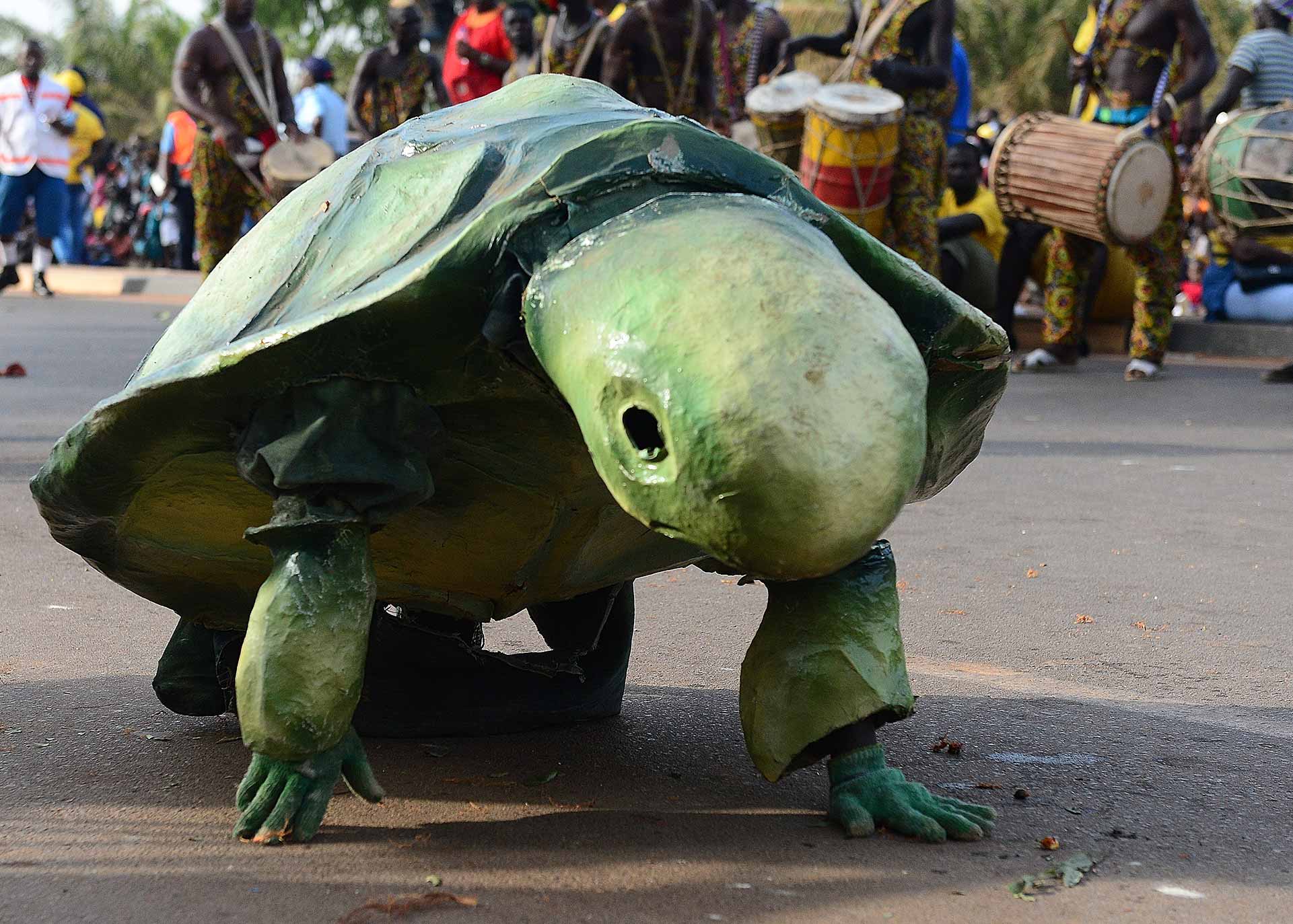
Morning at leisure to relax on the wild beaches of Ponta Anchaca or by the swimming pool. On request (not included), an early morning excursion to Orango Island offers the chance to see a small population of hippos that have adapted to life on the islands. Usually found in freshwater swamps, these hippos occasionally swim in the ocean; a local guide will lead the visit, though sightings are not guaranteed. In the afternoon, we navigate back to Bissau, where a vehicle awaits for a brief city tour. Bissau is a small yet intriguing capital, with charming old Portuguese architecture and a massive fort, a reminder of the region’s slave trade history. Dinner and overnight stay at the Azalai-Dunia Hotel, four stars, international standard, or similar.
Overnight: Azalai-Dunia Hotel (4-star), Bissau (1 night) (B, L, D)
We travel north through a unique ecosystem where Bolons—long sea arms—penetrate inland for over a hundred miles, creating a vast area that floods temporarily. The boundaries between salt water, land, and fresh water shift with the tides: during high tide, 23% of Guinea Bissau is submerged, re-emerging as the water recedes. Crossing into Senegal, we reach Ziguinchor, the capital of the Casamance region, a charming town with striking French colonial architecture and a bustling market. Dinner and overnight stay at the Kadiandoumange Hotel, our base for two nights.
Set in traditional colonial-style buildings with gardens overlooking the Casamance River, the hotel offers air-conditioned self-contained rooms blending modern comfort with stylish African furniture, and a gastronomic restaurant on a terrace above the river—or similar.
Overnight: Kadiadoumange Hotel, Ziguinchor (2 nights) (B, L, D)
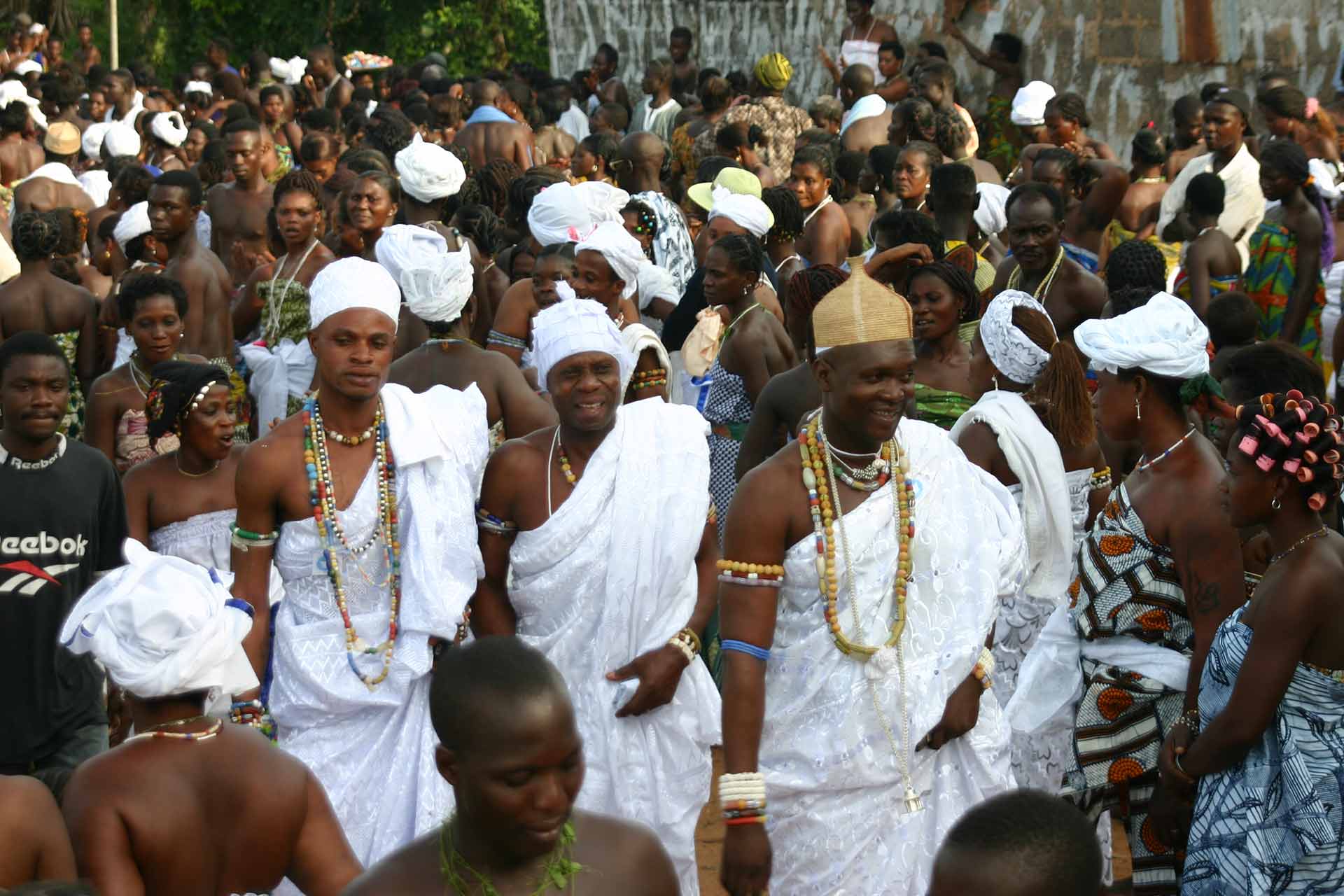
We drive through a spectacular landscape of lagoons, mangroves, and tiny islands formed by the Casamance River estuary. In a remote village, we are received by the Monarch of one of the oldest Diola (Jula) Kingdoms. In ancient African tradition, the King is also the High Priest, holding both political and mystical authority. After the traditional offering of libations at the edge of the sacred forest, His Majesty will answer our questions about the history of his people, the rules of a traditional chief, and the complex taboos and mystical responsibilities of kingship in Diola culture. In the afternoon, we join the ritual dances of the sacred Diola masks, performed by a secret society whose dancers’ identities remain hidden; the masks are believed to be animated by spirits. Drums, dances, and a vibrant crowd bring the small village to life beneath the shade of towering kapok trees. Return to our base in Ziguinchor at the Kadiandoumange Hotel, with traditional colonial-style buildings and gardens overlooking the Casamance River. The hotel offers air-conditioned, self-contained rooms combining modern comfort with stylish African furnishings, and a gastronomic restaurant on a terrace above the river—or similar. (B, L, D)
We cross the Gambian border and arrive in Banjul, the capital of the country, for a visit to the ethnographic museum. In the afternoon, we enjoy a brief but intense bird-watching session, guided by an expert through the region’s diverse natural environments. Gambia is renowned as a birding destination, offering a fascinating variety of species. Dinner and overnight stay at the Kairaba Beach Hotel, or similar.
Overnight: Kairaba Beach Hotel, Banjul (1 night) (B, L, D)
Arrival on this day in Dakar if taking Part 3 alone.
We take a colourful, very local ferry crossing of the wide Gambia River estuary to reach the north bank. The region between the north bank of the river and Senegal was once home to one of the world’s largest megalithic civilizations. Just after crossing into Senegal, we leave the main road for a small track to reach Sine Ngayene, the richest megalithic site on the planet, featuring 1,102 erected stones. Dinner and overnight stay at the comfortable air-conditioned bungalows of Kabacoto Safari Lodge or Relais de Kaolak, with swimming pool, overlooking the lake and lagoons, or similar.
Overnight: Kabacoto Safari Lodge/Relais de Kaolak, Sine Ngayene (1 night) (B, L, D)
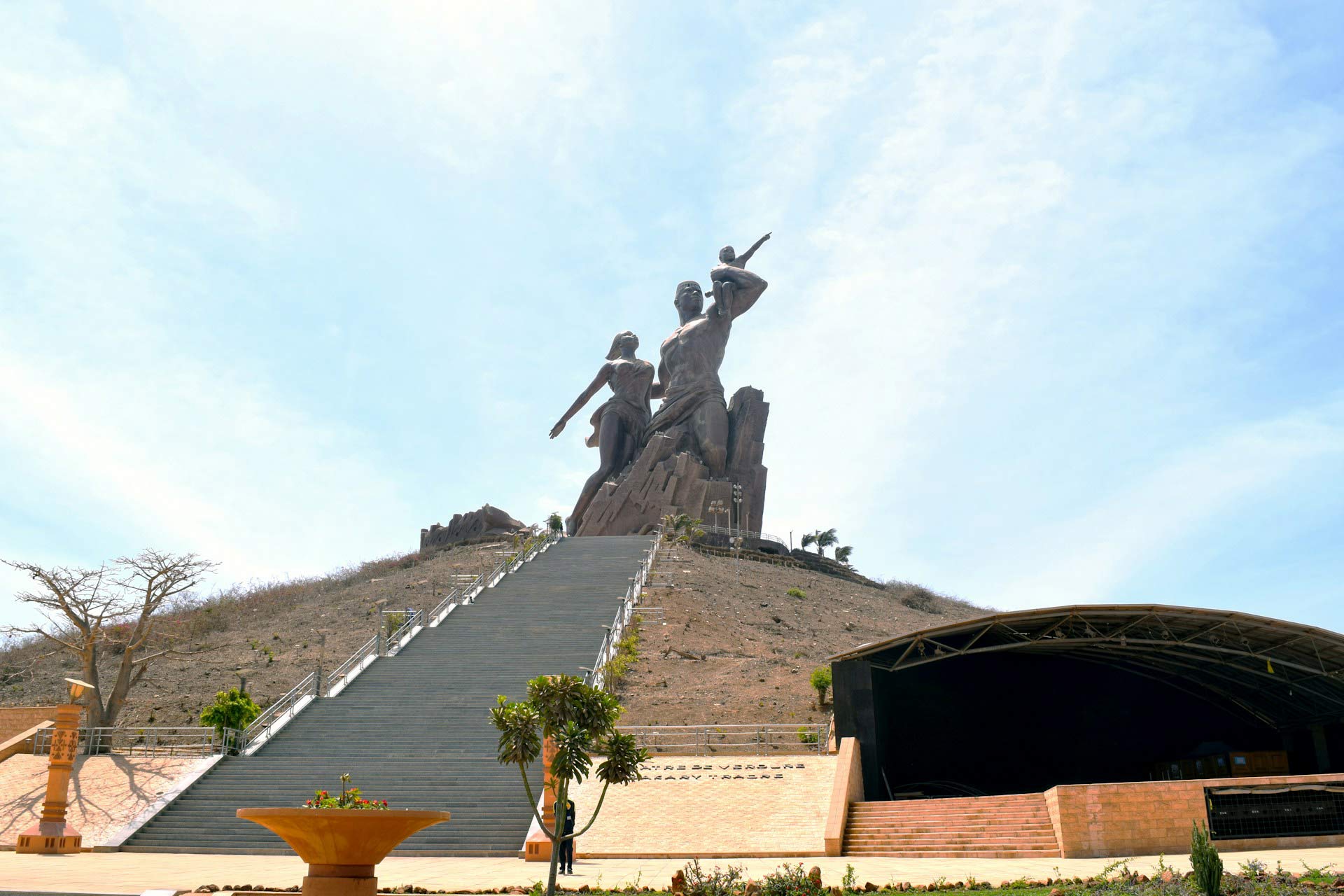
Arrival in Dakar for lunch at a fishing port restaurant, specializing in the catch of the day (other meals available on request). A ferry will take us to Gorée Island, just opposite Dakar. Gorée was once crowded with slaves awaiting shipment to the Americas. Fully restored, it stands today as a poignant reminder of those times. Its breezy climate, rich history, and historic architecture, combined with restaurants and boutiques, make Gorée a fascinating and stylish destination for both locals and visitors. The best time to experience the island’s atmosphere is at sunset, when day-trippers and tourists have left. Dinner at a typical restaurant and overnight stay at Maison Municipale, a guesthouse in a restored historic building with air-conditioned, self-contained large rooms, or similar.
Overnight: Maison Municipale, Goree Island (1 night) (B, L, D)
Ferry to Dakar, the capital, which became a key centre of political, artistic, and intellectual renewal during the independence era and remains the liveliest metropolis in French-speaking West Africa. Visit the Musée des Civilisations Noires, featuring impressive collections of tribal art, textiles, and works by contemporary local artists. Explore the Plateau district, including the Presidential Palace, a typical market, and the fully restored Dakar-Bamako railway station, a fine example of colonial architecture.
Transfer to the airport in time for your departure flight. (B)
Departure Dates & Prices
| 2027 | Per Person on Twin Sharing |
Single Room Supplement |
|---|---|---|
| Departures | ||
| MARCH 2027: Start in Monrovia on March 19, 2027 & end in Dakar on April 7, 2027 NOVEMBER 2027: Start in Dakar on November 29, 2027 & end in Monrovia on December 18, 2027 |
||
| Based on 2 or 3 participants | US$ 17163 | US$ 1155 |
| Based on 4 or 5 participants |
US$ 12760 | US$ 1155 |
| Based on 6+ participants |
US$ 10626 | US$ 1155 |
| 2027 | Per Person on Twin Sharing |
Single Room Supplement |
|---|---|---|
| Departures | ||
| MARCH 2027: Start in Monrovia on March 19, 2027 & end in Dakar on April 7, 2027 NOVEMBER 2027: Start in Dakar on November 29, 2027 & end in Monrovia on December 18, 2027 |
||
| Based on 2 or 3 participants | CA$ 24698 | CA$ 1663 |
| Based on 4 or 5 participants |
CA$ 18362 | CA$ 1663 |
| Based on 6+ participants |
CA$ 15291 | CA$ 1663 |
| This tour can also be taken in smaller legs. Please contact us for details if you are interested in a specific segment. |
Notes
Inclusions
Participants
Please note that this expedition does not operate on a set minimum, as travellers may join different sections of the journey. Departure status depends on bookings across each section and will be updated once a departure is guaranteed.
Customised Itinerary
If you would like to have a tour on dates other than the above ones or with a customised itinerary, please contact Bestway Tours & Safaris and we will be happy to work out an exclusive program for you.
Recommended Trips

Sign up for our Bestway Club newsletter and be the first to know about special discounts, new tours and travel updates!